Ramadan 2026: How to stay energised during Laylatul Qadr when sleep is in short supply
Simple ways to manage fatigue during the final nights of Ramadan
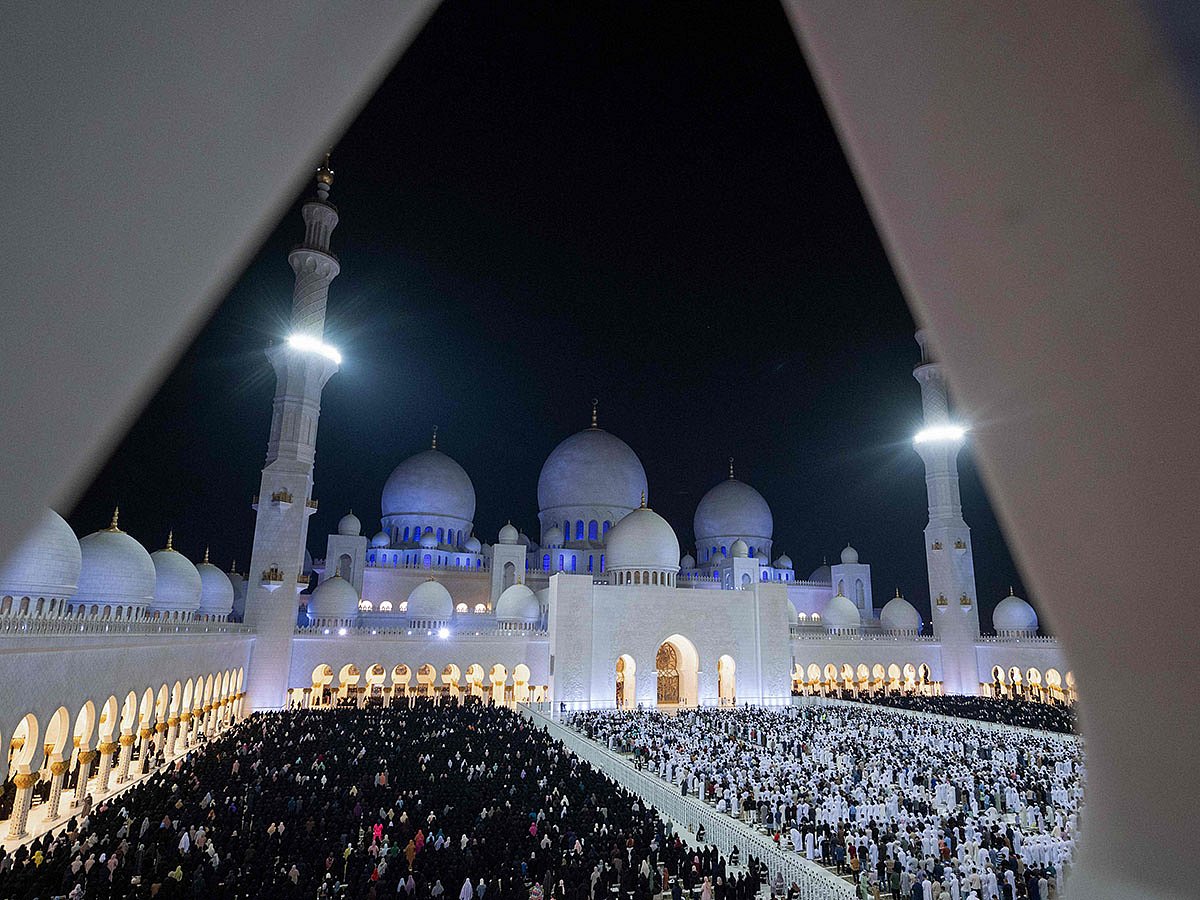
Dubai: The last ten nights of Ramadan are unlike any other time of year. For Muslims around the world, they represent a chance to seek Laylatul Qadr, the Night of Decree, described in the Quran as a night better than a thousand months.
Acts of worship performed on this night are believed to carry the reward of a lifetime of devotion, which is why so many people push through exhaustion to pray deep into the early hours, only to wake again a short while later for Suhoor.
It is beautiful. It is also, physically, quite demanding.
If you are running on minimal sleep right now, you are not alone. Here are some practical ways to stay alert and functional during the day while still giving the nights the attention they deserve.
Protect whatever sleep you can get
The window between Suhoor and Fajr, and then again between Fajr and the start of your day, is precious. Treat it as intentional rest rather than just time you happen to be in bed.
Keep Suhoor calm and quiet. Avoid your phone during or after the meal because exposure to screens and news at that hour makes it significantly harder for your brain to settle back down. After eating, try slow breathing to help your body wind back down: inhale for four seconds, exhale for six, and repeat for a few minutes while lying down.
If anxious or busy thoughts surface while you are trying to sleep, try not to fight them. Clinical psychologist Ms Asra Sarwar from Aster Clinic recommends writing concerns down earlier in the evening so the brain feels they have been acknowledged and does not feel the need to process them at 3am. Gently reminding yourself "right now, I am safe" can also interrupt spiralling thoughts and help your nervous system settle.
Nap when you can
Short naps of around 20 minutes during the day can make a genuine difference to your energy levels without leaving you feeling groggy. If your schedule allows it, even a brief rest in the early afternoon can help your body recover from the night before and prepare for the next one.
Keep moving, but gently
Light exercise, even a short walk, can stimulate blood flow to the brain and temporarily boost alertness. Avoid heavy workouts during this period as they are likely to leave you feeling more depleted rather than energised.
Watch what you eat and drink
A balanced, nutritious diet gives your body more sustainable energy across the day than heavy or processed food, which tends to lead to crashes. Reduce caffeine intake, particularly in the hours before you plan to sleep, as it stays in your system longer than most people realise. Avoid large amounts of liquids right before bed if you want to avoid waking in the night.
Get some daylight
Spending time in sunlight during the day, even briefly, can help stimulate serotonin production and improve your focus and mood. It also helps keep your body's internal clock as regulated as possible given the disrupted schedule.
Make your sleep environment work for you
Keep your bedroom dark and remove your phone and other screens if you can. Bright light and notifications interrupt the body's natural melatonin production, making it harder to fall asleep and stay asleep. Even 10 to 15 minutes of quiet, screen-free wind-down time before sleep can noticeably improve how quickly you drift off.
When to ask for help
If fatigue is becoming overwhelming or anxiety is making it hard to function during the day, it is worth speaking to someone.
Here is the list of free mental health supports around the UAE.
The last ten nights of Ramadan ask a lot of the body. But with a little intention around rest, food, and routine, it is possible to show up fully for both the prayers and the day ahead.
Areeba Hashmi is a trainee at Gulf News.
Network Links
GN StoreDownload our app
© Al Nisr Publishing LLC 2026. All rights reserved.