And in 2026, gaming is no longer a niche hobby. It’s firmly mainstream. And that means if you’ve been thinking about getting into gaming for the first time, this might be the perfect moment to start.
Gaming in UAE 2026: How to choose your first console — PS5, Xbox, or Nintendo Switch
Beginner's guide to gaming consoles: PS5, Xbox, or Nintendo Switch
Last updated:
7 MIN READ
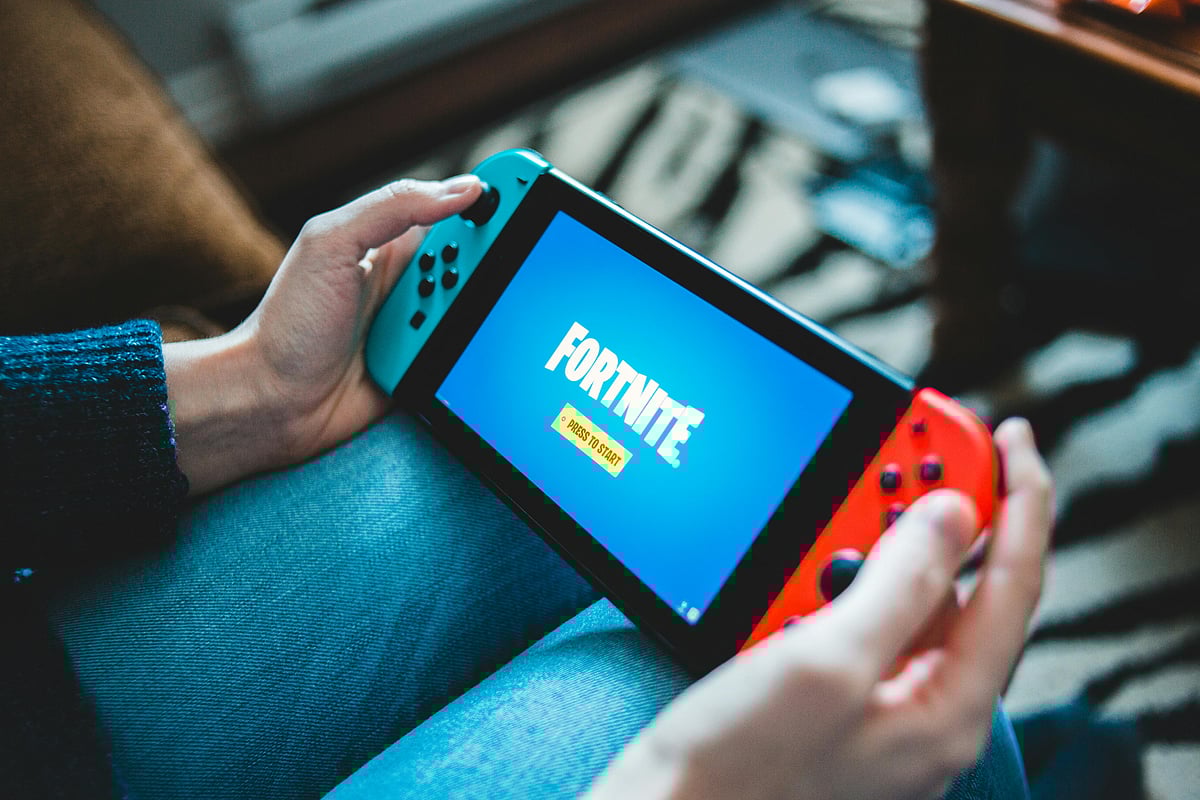
For a generation raised on arcade machines, LAN cafés, and late-night PlayStation sessions, gaming has never just been about graphics or gear. It’s storytelling. It’s escapism. It’s competition — and community
Pexels.com
“Go left, left! Okay, now you’ve fallen off the cliff.”
“Why are you fighting with the wall? Stop doing backflips!”
These are the conversations echoing through my living room as I attempt to make my way through Hogwarts Legacy. My husband, exasperated but committed, rattles off instructions at lightning speed: L1, L1, okay now readjust the camera, press X, now press square — while I try, earnestly and unsuccessfully, to retain all of it. Moments later, I’m struck down by a random knight, and it’s back to the start screen. Again.
Playing on a PS5 is an exciting, thrilling experience — and, for a beginner, an enjoyably frustrating one. Some evenings, I moodily surrender early and relegate myself to practising basic movements on Astro’s Playroom before daring to return to Hogwarts Legacy, Spider-Man, or Ghost of Tsushima.
The keyword here is thrilling.
There’s a particular joy in losing yourself inside a game — uncovering its story at your own pace. It feels like watching a film where you’re the main character. Each game tells a story you actively shape. In Split Fiction, you’re trapped in a world of stories, hunted by a machine determined to steal your ideas. In It Takes Two, you play an estranged couple shrunk to the size of toys, forced to work together to reunite with your daughter.
For a generation raised on arcade machines, LAN cafés, and late-night PlayStation sessions, gaming has never just been about graphics or gear. It’s storytelling. It’s escapism. It’s competition — and community.
And in 2026, gaming is no longer a niche hobby. It’s firmly mainstream. And that means if you’ve been thinking about getting into gaming for the first time, this might be the perfect moment to start.
So, where do you begin?
Why consoles make sense right now
According to Dubai-based Kevin Sebastian, Creative Director Audire Media, tech commentator, and also one of the minds behind Hobby Nation, a reputed gaming, pop-culture platform, the current market has quietly tipped in favour of consoles — not because PCs are losing relevance, but because they’re becoming far more expensive to keep up with. “If you’re getting into gaming in 2026. Beyond game libraries and console life cycles, it is also good time to invest in a console because the PC market is becoming significantly more expensive, largely due to external pressures from AI and enterprise demand,” he explains.
The rapid growth of AI, Sebastian notes, has reshaped the global hardware supply chain. As manufacturers focus on AI and data centres instead of gaming hardware, prices have risen — and parts have become harder to find.
For new gamers, that shift matters more than ever. What was once considered a 'mid-range' PC build now comes with a premium price tag. Today’s PC games need more powerful and expensive components just to run smoothly, making even average gaming PCs costly.
Consoles, by contrast, offer stability and simplicity. “They offer fixed, optimised hardware,” Sebastian explains. “You get a guaranteed baseline for the entire generation, without worrying about upgrades, driver issues or component shortages.”
For anyone who wants to enjoy big releases without constantly upgrading their setup, the appeal is obvious. With PC parts getting more expensive, consoles in 2026 are the easier, cheaper option for most people who just want to play new games without worrying about upgrades.
The PS5 is a great choice if you value exclusive blockbuster games, cinematic storytelling, and a strong first-party lineup. But it’s not necessarily the best for everyone. If you prioritise value and subscription services, the Xbox Series X plus Game Pass often delivers more games for less money and strong backwards compatibility...
Kevin Sebastian Creative Director Audire Media and tech commentator
PS5, Xbox, or Switch: What should beginners choose?
So which console should you start with? The answer depends less on specifications and more on how you want to play. “The PS5 is a great choice if you value exclusive blockbuster games, cinematic storytelling, and a strong first-party lineup. But it’s not necessarily the best for everyone,” says Sebastian.
If value and variety matter more, he points to Xbox. “If you prioritise value and subscription services, the Xbox Series X plus Game Pass often delivers more games for less money and strong backwards compatibility.”
And for families or casual players? “If you want portable play and family-friendly experiences, the Nintendo Switch ecosystem, especially with Switch 2, still shines with unique franchises like Mario, Zelda, and Pokémon.”
Importantly, consoles aren’t just for 'serious' gamers. Casual gamers can definitely choose a PS5 — it has plenty of easy, fun games and works smoothly, so you won’t feel the need to upgrade anytime soon, Sebastian adds.
That said, alternatives may suit different lifestyles. The PS5 isn’t just for seasoned gamers, but if you want something cheaper or simpler, the Nintendo Switch or Xbox Game Pass may suit you better.
What keeps consoles popular
Across the UAE, console gaming continues to thrive, even as PC and mobile gaming grow.
Consoles remain popular because they’re easy to use, work well on big screens, and still get major game releases first, often alongside good-value subscriptions that make gaming more affordable.
Matching your console to your taste
For Tarek Hakim, senior account manager at BPG and a prolific gamer, the choice comes down to personal taste and home setup.
“Console preference will always be dependent on what kind of games you like, and what setup you have at home. While a lot of modern games are available on multiple platforms, it would be good to look at the list of games available for each.”
His rule of thumb is straightforward. “If you want family games, or any game owned by Nintendo (Mario, Zelda, Pokémon), then you should go with the Nintendo Switch.”
For more intense gaming experiences? “If you prefer more ‘hardcore’ games, you’re better off with the PS5 or an Xbox, and they’re similar in terms of tech specs.”
Subscriptions also matter. Both PlayStation and Xbox offer access to large game libraries, so the choice often comes down to which games excite you most. Right now, PlayStation still has the edge thanks to its exclusives — though that gap is slowly narrowing.
Console preference will always be dependent on what kind of games you like, and what setup you have at home. While a lot of modern games are available on multiple platforms, it would be good to look at the list of games available for each...
Tarek Hakim senior account manager at BPG and gamer
Storage, pricing, and timing your purchase
According to Dmitri Gartung of Dubai-based IT company OneSun, existing consoles may remain relevant for years.
“New consoles would have less RAM with lower price hike or same RAM with much higher price in the next 2 years. Old or current consoles would still be relevant for quite some time.”
He also warns that global shortages are already shaping prices. “The global shortage of memory chips has pushed prices up for SSDs and RAM, which are also used in game devices.”
Timing, then, matters. If you spot older stock still selling at pre-hike prices, it’s worth snapping it up. Once prices rise, that window closes quickly.
A beginner’s budget: How much do you really need?
For Tazeen Jafri, a Dubai-based public relations professional and gamer, the idea that gaming requires a huge upfront investment is a myth.
“A realistic starter budget doesn’t have to be high at all. You can start with whatever you already have.” Even a basic laptop is enough. “If you have a laptop or PC, you can begin with online or browser-based games and see whether gaming is something you genuinely enjoy.”
Moreover, consoles keep things simple. “You can literally plug it in, turn it on, and start playing out of the box," explains Jafri.
In the UAE, consoles usually cost around Dh1,500, and games are extra — typically between Dh100 and Dh400, depending on the title. “The key is to start simple and be intentional,” Jafri says. “You can always upgrade once you understand your taste and preferences.”
The hidden costs beginners forget
Gaming costs don’t stop at the console. Over time, expenses include game purchases, online subscriptions, and accessories. “If you’re gaming on a laptop, you will almost immediately need a mouse… Controllers are another cost, especially if you plan to play with family or friends offline," explains Jafri.
Her advice: don’t rush. “You don’t need to buy everything at once. Build gradually as your interest grows.”
New consoles would have less RAM with lower price hike or same RAM with much higher price in the next 2 years. Old or current consoles would still be relevant for quite some time...
Dmitri Gartung from Dubai-based IT company OneSun
The best games for beginners
For first-time players, simplicity matters. “Anything that’s simple, intuitive, and low-pressure.” Mario games are a classic starting point — Mario Kart, Super Mario, Mario Galaxy. Free-to-play titles like Fall Guys or Brawlhalla are also beginner-friendly.
And for story lovers? “I’m personally a big fan of story-driven games — they let you learn at your own pace.”
Single-player or multiplayer? “For most people starting out, I would say single-player games are the best place to begin,” Jafri says. “Gaming, for me, is an escape… It’s my ‘me time’ — almost like therapy.”
Preferences change over time. As confidence grows, so do tastes. Today, she prefers slower, story-led worlds — just her, the game, and her own bubble.
Gaming in 2026 isn’t about having the most expensive setup or lightning-fast reflexes. It’s about finding the stories and pace that work for you.
So go left. Fall off the cliff. Do a few backflips into a wall. You’ll learn.
Network Links
GN StoreAbout Gulf NewsTerms & ConditionsReach by GNSitemapContact usPrivacy PolicyGN FocusHave your sayWork with usAdvertise with usGulf News epaperPrinting Services
Download our app
© Al Nisr Publishing LLC 2026. All rights reserved.