‘We aren't making music anymore, we're making reels’: Hariharan sounds the alarm on Indian music's algorithm
As senior voices return, Hariharan says melody outlasts trends and algorithms
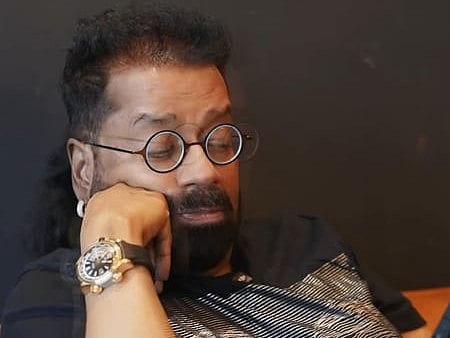
Fifty years is a long time to watch an industry change shape, and as he approaches that milestone, playback legend Hariharan doesn't mince words about naming what he believes has gone rather awry. He observes the entire machinery now deciding what gets made: algorithms, streaming data, and the tyranny of the 15-second hook.
As he told Hindustan Times, "If you're going to do music with all these values like algorithms and data in mind, what kind of music are you making? You don't do music then. You do something, which I don't even know what it is, but it's not music for sure. And there will be a weakness in that because your thought process is not towards music. We aren't making music anymore, we are making Reels."
It's a sharp line, and it sets the tone for a broader argument: that the industry's tools have become its values.
Streaming comes in for similar criticism. Hariharan traces a direct line from how people pay for music to how much they actually care about it, and argues that convenience has hollowed out something that used to feel personal. Buying an album, he says, meant choosing to invest in it; a subscription asks for no such commitment.
As he says, "It was easier for us to do creative music than what it is today. There was an ownership also for the music as a listener as you would buy an album. Today you are buying subscriptions of streaming platforms, you are not investing in one song or an album. Then, one would invest money in something they liked, but now with streaming, it isn't the case. Experience has suffered due to convenience. Listening to music on your phone is so sad. It's appalling."
That's Hariharan the critic. But there's also Hariharan the veteran who's watched the pendulum swing back in his favour, one half of the Colonial Cousins, still landing film songs alongside a wave of fellow senior artists (Sonu Nigam, Shaan, Udit Narayan, Shreya Ghoshal) who are suddenly back in heavy rotation after a quieter stretch. Asked why, he points to audience fatigue with novelty for its own sake, and to melody as the one thing that never really goes out of style.
Hariharan argues listeners will tolerate a jarring stylistic shift for a while, but only out of necessity, eventually they push back, unless the music is built around a strong melody, which he sees as the one constant that keeps audiences on board.
He credits the enduring relevance of his own music (with Colonial Cousins) to that youthful, melody-first quality, which he feels lets each new generation connect with it on its own terms, something he considers a genuine gift rather than a case of nostalgia carrying the work.
Network Links
GN StoreDownload our app
© Al Nisr Publishing LLC 2026. All rights reserved.