‘In a fair world, it would win’: Why Son Ye-jin's No Other Choice snub at Oscars 2026 angered fans
Upset fans called it one of the worst misses of the year
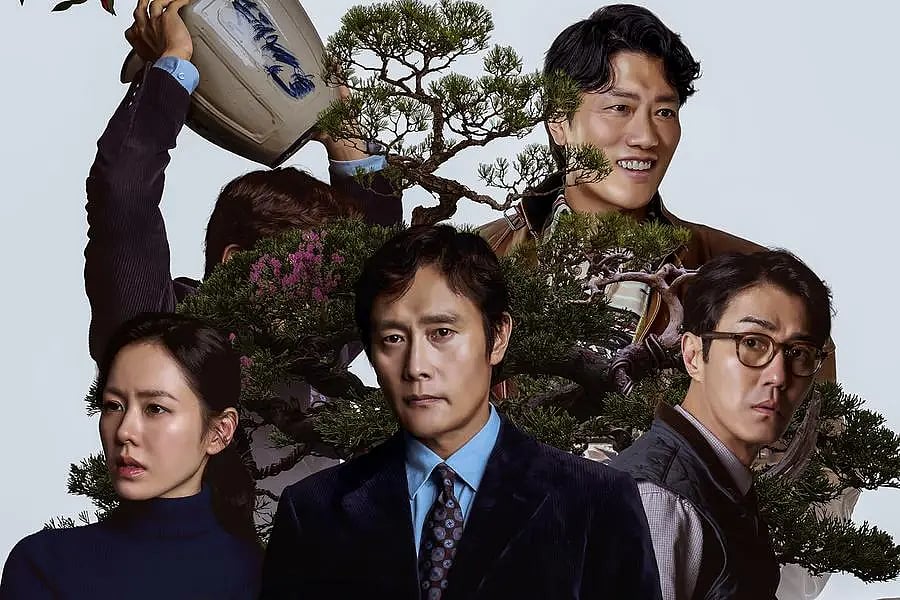
When the Oscar nominations were announced, one omission sparked immediate disbelief among fans. Park Chan-wook’s No Other Choice, starring Son Ye-jin and Lee Byung-hun was nowhere to be found. The film had drawn immense praise from international critics and generated buzz at home, cementing Chan-wook’s reputation as one of South Korea’s most daring filmmakers.
The South Korean black comedy thriller, co-written, produced, and directed by Chan-wook, follows Yoo Man-su (Lee Byung-hun), a paper industry expert who seemingly has it all, a wife (Son Ye-jin), two children, a comfortable life, until he’s suddenly laid off. It's a sharp satire on corporate disposability that quickly devolves into slapstick homicide, family fractures and unsettling revelations about the past.
The film had been praised for its biting humour, and Chan-wook's playful irony was highlighted as well as Son Ye-jin’s standout turn: “The best surprising standout of the film is Son Ye-jin as Man-su’s increasingly suspicious wife Miri, with the actress displaying an equally deft ability for both comedy and drama, Inverse review had written.
For many, this wasn’t just a snub, it was inexplicable. “That to me is just wild,” wrote one viewer in a Reddit thread. “It is easily one of the best films of the year.” Another summed up the mood more starkly: “In a fair world it would WIN Best Picture… in this insane timeline it is completely snubbed.”
Across Reddit and Twitter, frustration spilled over into disbelief, anger, and exhausted resignation. No Other Choice had been widely praised as one of Park’s strongest late-career works, precise, morally thorny, and devastating in its quietest moments. Yet when Oscar morning arrived, the film had vanished from the conversation.
So what happened?
The momentum question and the strike shadow
A fan wrote, "No Other Choice might be THE perfect film about the state of modern employment. I knew what it was about going in, but the unique editing and shot composition guides you through this hilarious and grim story led by some great performances from Lee Byung-hun and Son Ye-jin."
One explanation that kept resurfacing was whether the film ever truly built awards momentum in the US. “What momentum?” one commenter asked bluntly, pushing back against the idea that it had been a frontrunner at all.
But others pointed to an uncomfortable industry footnote: Park Chan-wook’s involvement in a project during the WGA strike. “I think Park Chan-wook crossing the picket line didn’t endear him to the industry,” one commenter claimed.
That framing, however, was quickly challenged. “That situation wasn’t nearly as black and white as ‘he crossed the picket line,’” another user responded, noting that investigations later found no formal strike violation—even though Park and collaborator Don McKellar were expelled regardless, without a clearly stated rationale.
To some, the fallout felt disproportionate. “He and Don McKellar were made an example of because they’re not American,” one commenter argued—a sentiment echoed by others who felt Park’s outsider status made him easier to sideline during a tense awards season.
Whether or not the controversy directly affected Oscar voters, its shadow clearly lingered. Even supporters admitted they had “forgotten about his whole union problem”—until nomination day made it impossible to ignore.
A crowded year and fractured tastes
Another recurring theme was just how chaotic the international feature race felt this year. “Honestly that whole category felt like a mess,” one commenter wrote. “No Other Choice deserved way better recognition.”
Even among Park’s admirers, opinions varied. Some ranked it as the best international film of the year; others placed it just behind titles like Nouvelle Vague, Sirât, or Sentimental Value. A minority pushed back entirely: “I did not think this movie was all that good especially compared to his other work.”
But even dissenting voices seemed to agree on one thing: its total absence was shocking. “No Other Choice was my number two this year. Crazy!” one user said. Another recalled watching it on its final theatrical day, only to wake up to the news that it hadn’t been nominated at all.
The sense of disbelief hardened into something more bitter when comparisons inevitably arose. “Note to self: never predict Park for an Oscar nom ever again,” one fan wrote, referencing earlier disappointments like Decision to Leave. Another was more blunt: “Park Chan-wook is unlucky in the Oscar race.”
The larger frustration
For some, the snub fed into a broader disillusionment with the Academy’s choices this year. The same commenters mourning No Other Choice also pointed to other surprises, like Wicked missing expected nominations, including in categories many assumed were locked.
But the anger around Park’s film felt different. It was was about recognition. “In an unfair world it would just be nominated,” one comment read. “And here, it’s not even that.”
By the end of the thread, the mood had settled into weary consensus. Whether due to politics, timing, or an overcrowded field, No Other Choice had fallen through the cracks, and many felt the Oscars were poorer for it.
As one final commenter put it, simply and without irony: “No Other Choice missing is a travesty.”
Network Links
GN StoreDownload our app
© Al Nisr Publishing LLC 2026. All rights reserved.