Europe scraps 2026 ETIAS launch timeline, travellers won’t need permit yet
Visa-exempt travellers do not need ETIAS yet
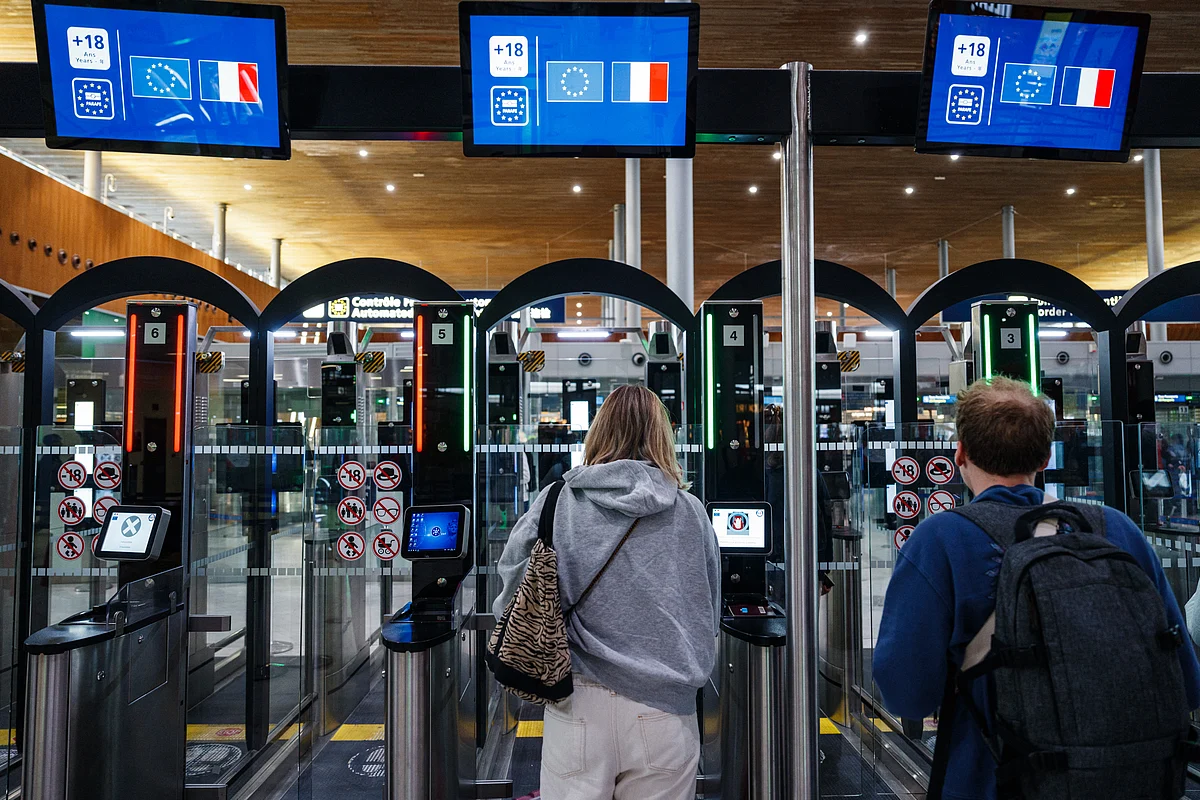
Dubai: Travellers heading to Europe will not need to apply for the European Union’s new ETIAS travel authorisation yet after the bloc removed its previous late-2026 launch timeline and stopped giving a specific start period for the system.
The official ETIAS website now says the European Travel Information and Authorisation System is “currently not in operation” and that applications are not being collected. The EU said travellers will be informed of the specific launch date several months before the system goes live.
Get updated faster and for FREE: Download the Gulf News app now - simply click here.
The change is significant for visa-exempt travellers planning European trips because the EU had previously indicated that ETIAS would begin operating in the final quarter of 2026.
No ETIAS application needed yet
Travellers therefore do not need to obtain an ETIAS authorisation before travelling at present, and there is currently no application process open to the public.
Once operational, ETIAS will apply to visa-exempt nationals travelling to 30 European countries for short stays. Travellers will have to secure the electronic authorisation before beginning their journey.
An approved ETIAS will be linked to the traveller’s passport and will generally remain valid for three years or until the passport expires, whichever comes first.
Visitors will continue to be subject to the existing short-stay limit of up to 90 days within any 180-day period in the participating countries.
Another change to ETIAS timeline
ETIAS has faced repeated changes to its planned introduction since it was originally expected to begin operating in 2021.
The latest change does not provide a replacement launch date. The EU’s current guidance only says that the specific date will be communicated several months before implementation.
That means travellers should not attempt to submit an ETIAS application through unofficial websites while the EU system remains unavailable.
Also Read
Germany's 2026 visa-free list is out: 62 countries outside Schengen/EU can enter without a visa — check if yours is includedVisa types explained: e-Visa, ETA and visa on arrival — what travellers need to knowItaly suspends Schengen travel rules with Spain: What UAE travellers need to knowSchengen: Europe's new digital border system expands — what it means for travelers to Sweden, Finland, Spain and CroatiaETIAS is different from Europe's EES
ETIAS should not be confused with Europe’s Entry/Exit System, known as EES, which deals with border registration for non-EU nationals arriving for short stays.
The EES became fully operational across participating Schengen countries on April 10, 2026 and records information including passport details, facial images, fingerprints and entry and exit data at the external border.
ETIAS will work differently because it requires eligible visa-exempt travellers to obtain authorisation online before travelling.
Until the EU announces a new start date, visa-exempt visitors can continue travelling without an ETIAS authorisation, subject to the existing entry requirements applicable to their nationality.

Sign up for the Daily Briefing
Get the latest news and updates straight to your inbox
Network Links
GN StoreDownload our app
© Al Nisr Publishing LLC 2026. All rights reserved.