Sharjah’s SPARK logs 7,500 licences, startup demand accelerates
Strong startup inflows and new initiatives boost Sharjah’s innovation ecosystem
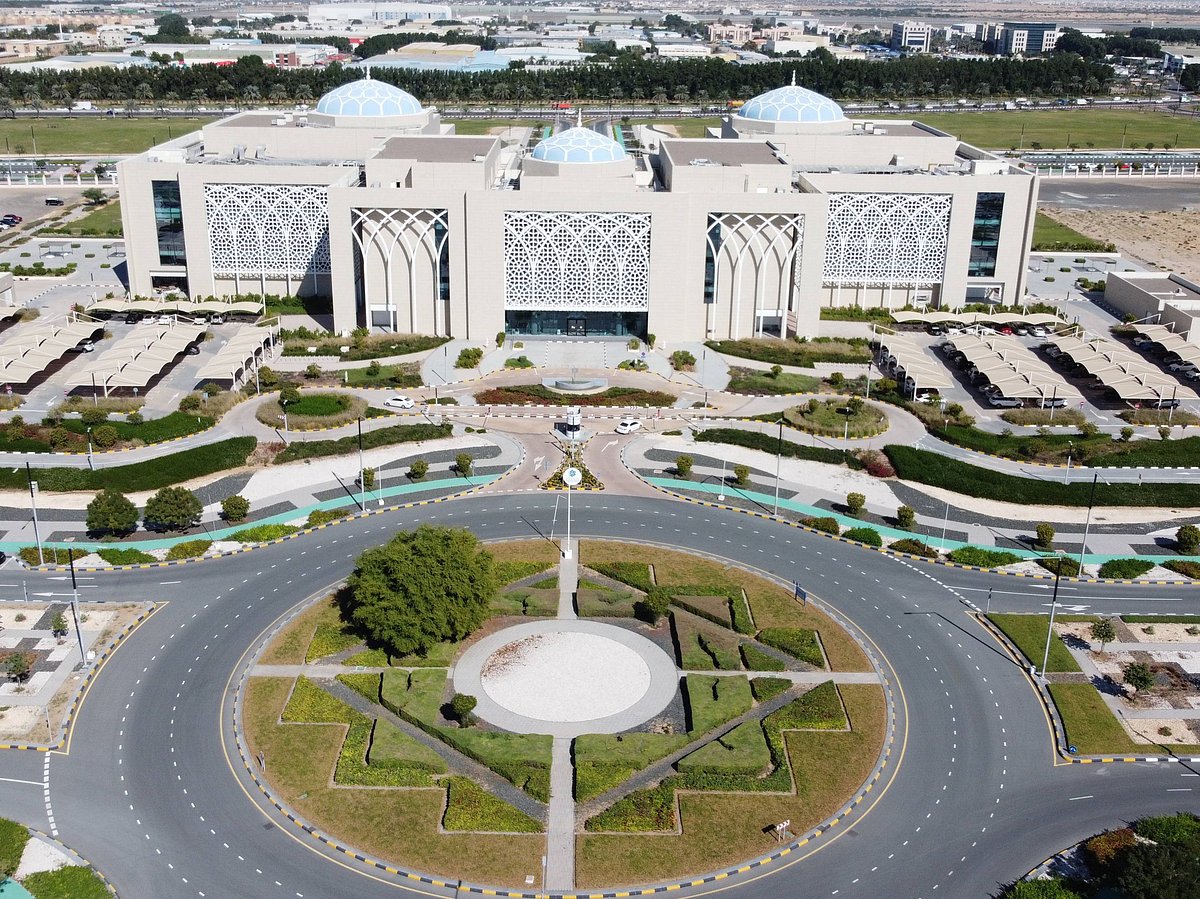
Dubai: Sharjah Research, Technology and Innovation Park is seeing sustained business activity at the start of 2026, with more than 7,500 licensing transactions recorded across the first two months of the year.
The figure includes new company formations and renewals, pointing to continued demand from startups and technology-led firms seeking a base in the UAE. Activity comes at a time when businesses across the region are navigating geopolitical uncertainty, yet inflows into Sharjah’s innovation ecosystem remain steady.
The pace of licensing offers a clear signal. Companies are continuing to set up, expand and renew operations, indicating that long-term positioning is taking priority over short-term volatility.
Stay updated: Get the latest faster by downloading the Gulf News app - it's completely free. Click here for Apple or here for Android. You can also find it us on the Huawei AppGallery.
Focus shifts to execution and scale
The park’s leadership is positioning this growth around execution and commercial outcomes, with a sharper push to translate innovation into measurable economic value.
“These indicators reflect the strength and resilience of Sharjah’s innovation ecosystem, as we continue to drive growth, empower businesses, and expand our global partnerships,” said Hussain Al Mahmoudi, CEO of SPARK.
“Our focus remains on translating innovation into tangible economic value that supports sustainable development.”
The emphasis is moving beyond incubation toward scaling businesses, supported by infrastructure, prototyping capabilities and access to partnerships that help companies move from concept to market.
“At SPARK, we are committed to building an integrated ecosystem that supports entrepreneurs and innovators by providing advanced infrastructure, prototyping capabilities, and growth opportunities,” Al Mahmoudi said.
Ecosystem depth expands
The licensing momentum builds on a broader expansion of SPARK’s ecosystem, which now includes more than 7,500 companies ranging from early-stage startups to global technology firms.
Partnerships are also widening. The park has tied up with more than 30 local and international entities, including Emirates Health Services, European innovation networks and global science park associations.
A key addition is BASE39, a newly launched zone focused on creative industries. The platform is designed to support design-led ventures and creative entrepreneurs looking to scale within the UAE.
At the startup level, collaboration with Sharjah Entrepreneurship Centre has led to the launch of a dedicated package that enabled the establishment of 130 startups during the Sharjah Entrepreneurship Festival.
Global push gathers pace
SPARK is also expanding its international footprint, working with representative offices in markets such as China and India to attract companies seeking entry into the Middle East.
The strategy reflects a broader shift among innovation hubs in the UAE. The focus is on positioning the country as a gateway market, where companies can test, scale and regionalise their operations.
New licensing packages are being rolled out to make market entry faster and more cost-efficient, particularly for small and medium enterprises looking to build technology ventures.
Sector bets shape next phase
Growth is increasingly being directed toward priority sectors that align with national development goals.
SPARK is targeting sustainability and environmental technology, digitalisation including artificial intelligence and data analytics, healthcare innovation and advanced manufacturing.
Recent additions to the ecosystem include startups working on robotics-enabled services, waste-to-energy solutions and technology-driven architectural projects.
The next phase of development will centre on expanding research and development capabilities, with plans to activate advanced prototyping and manufacturing through facilities such as the Sharjah Open Innovation Lab.
Sharjah strengthens its innovation pitch
The steady inflow of companies and partnerships points to a broader positioning shift. Sharjah is building out its role as a research and technology hub within the UAE, offering a complementary proposition alongside larger commercial centres.
The model relies on a mix of infrastructure, policy support and ecosystem depth to attract companies that are focused on long-term growth.
Early 2026 activity suggests that approach is gaining traction. Businesses are continuing to commit capital and resources, even amid external uncertainty, signalling confidence in the emirate’s ability to support innovation-led growth.
Sign up for the Daily Briefing
Get the latest news and updates straight to your inbox
Network Links
GN StoreDownload our app
© Al Nisr Publishing LLC 2026. All rights reserved.