What you need to know before buying property in Saudi Arabia in 2026
Foreign ownership opens in 2026. What expats and investors should expect
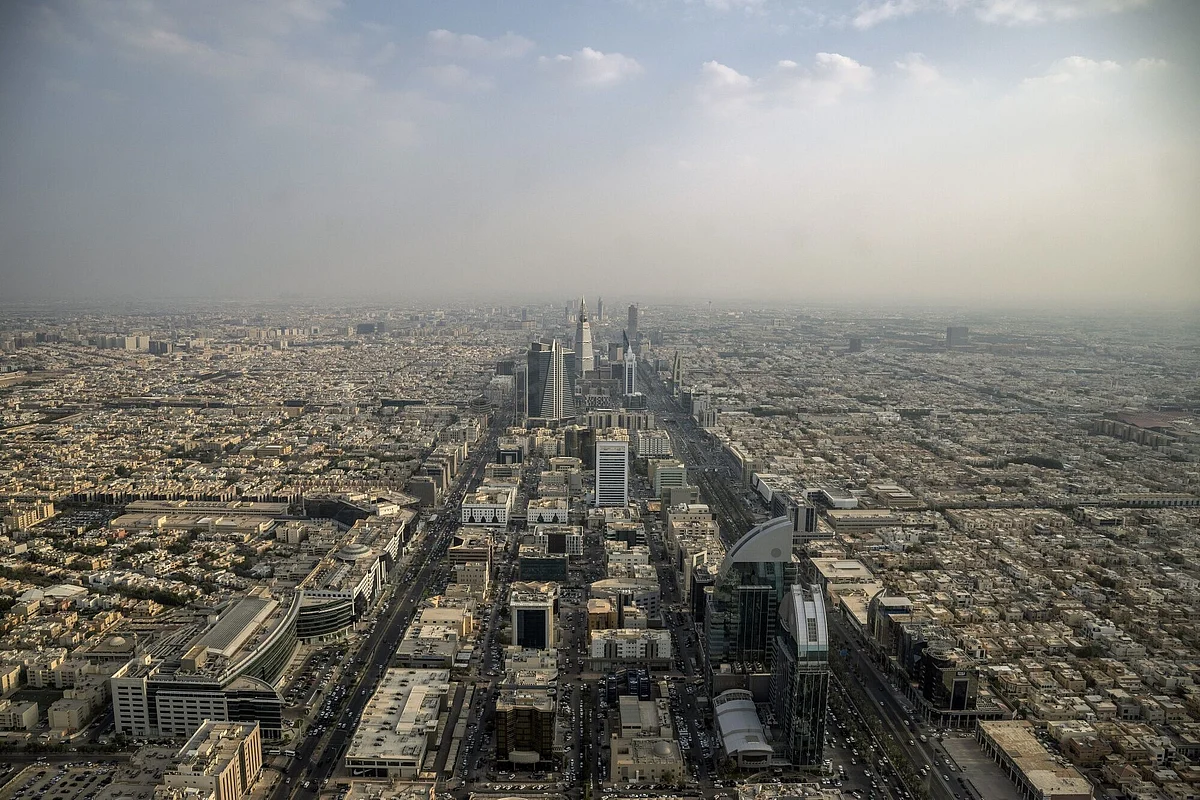
Dubai: Foreigners, for the first time, are allowed to buy property in Saudi Arabia from January 2026, marking one of the most significant shifts in the Kingdom’s real estate policy in decades. The new law, approved in July 2025, permits non-Saudis to own property within designated zones, opening the door to expats, regional investors and international buyers who until now could only rent or access limited ownership structures.
Who moves first when ownership opens
Early demand is expected to come from expats already living and working in the Kingdom. High-income professionals in Riyadh and Jeddah face sustained rental pressure and now see a realistic path to ownership.
“The earliest beneficiaries are likely to be well-established expats already living and working in Saudi Arabia, particularly higher-income professionals in Riyadh and Jeddah who are facing sustained rental pressure and now have a viable path to ownership,” said Arran Summerhill, COO and co-founder of Holo.
This group already understands local neighbourhoods, employment conditions and regulatory expectations, lowering the friction that often slows first-time buyers in new markets. Rental pressures have been strong enough to prompt authorities to introduce a five-year rent cap in Riyadh, highlighting how tight the residential market has become.
A second wave is likely to include regional and international investors, particularly from the GCC, seeking early exposure to Saudi Arabia’s long-term growth under Vision 2030. These buyers are expected to move carefully, prioritising regulatory clarity, asset quality and long-term fundamentals over short-term gains.
A third segment includes Muslim buyers globally, where ownership in the Kingdom carries both financial and personal significance. “From our perspective, having been active in the Saudi market for over two years, early demand patterns point clearly toward capitalised, intentional buyers who value process certainty and asset quality over speed,” Summerhill said.
No rush, but steady uptake
Despite the scale of the policy shift, expectations of a sudden buying surge may be misplaced. The Saudi framework is more controlled, with ownership opening within designated zones rather than across wide swathes of the market.
“This is more likely to be a measured, selective uptake rather than a sudden surge,” Summerhill said. Resident expats with stable income streams are expected to lead during the first year, while international buyers observe how approvals, financing and resale rules function in practice.
Economic conditions support steady rather than speculative demand. The IMF forecasts Saudi Arabia’s real GDP growth at about 4.0% in 2026, driven largely by non-oil sectors. That backdrop supports household formation and long-term housing demand, rather than rapid trading activity.
Momentum could broaden in the second year if transaction processes smooth out and lenders become more comfortable offering mortgages to foreign buyers. Even then, demand is expected to remain fundamentals-led.
Riyadh first, Jeddah next
Geography will matter. Riyadh is widely expected to feel the earliest impact, combining job creation, income concentration, population growth and rental pressure. Residential momentum has already been strong, with villa prices rising more than 11% year on year in 2025 and transaction volumes increasing quarter on quarter.
Jeddah is likely to follow, appealing to lifestyle-driven buyers and international demand. Transaction volumes in the coastal city rose more than 10% year on year in 2025, while price growth remained more moderate, often making it an attractive entry point for foreign buyers.
Demand is expected to focus overwhelmingly on residential property, particularly homes within professionally managed communities. Commercial and mixed-use assets may draw institutional interest later, but individual expat buyers are likely to prioritise homes over income-producing assets in the early phase.
Designated zones matter
Foreign ownership will initially be limited to designated geographic zones overseen by the Real Estate General Authority. These zones act as a gateway, allowing Saudi Arabia to attract foreign capital while maintaining market stability and regulatory control.
Once the final list of zones and implementing regulations is confirmed, demand is expected to concentrate in a small number of locations offering transaction clarity, community standards and resale confidence. Broader expansion is likely to come gradually as the market matures.
Risks buyers should not ignore
Before making the purchase, the buyers should be aware of the process, as assumptions present the biggest risk. While the law creates a legal pathway, clarity around approvals, fees, ownership structures and resale rights will determine how smooth the experience is in practice.
Liquidity also deserves attention. Early-stage ownership markets tend to have thinner resale depth, making a longer-term holding horizon more realistic than quick exits. “This is where local execution experience matters,” Summerhill said, pointing to the importance of understanding how policy translates into transactions on the ground.
How it compares to the UAE
UAE citizens and expats are eligible to buy under the new framework, according to Zacky Sajjad, director of business development and client relations at Cavendish Maxwell. Ownership is permitted within approved areas, while certain locations, including Makkah and Madinah, remain subject to tighter restrictions.
“Saudi Arabia’s model is newer and more regulated,” Sajjad said. Buyers should expect greater emphasis on approvals, compliance checks and evolving guidance. The UAE, by contrast, offers a more mature and globally familiar investment environment.
Sajjad advises UAE-based buyers to approach Saudi Arabia with a long-term mindset. Due diligence remains critical, particularly around approved zones, resale rules, taxation, registration and financing availability.
A shift in how expats plan their lives
Ownership has the potential to reshape how expats think about living in the Kingdom. Property ownership shifts Saudi Arabia from a temporary posting to a place where longer-term wealth planning becomes viable.
This aligns with national goals. Saudi Arabia targets a 70% homeownership rate by 2030, with official data showing the figure reached about 65% by 2024. Foreign ownership adds market depth and supports a more institutionalised residential ecosystem.
“This reform should be viewed less as a short-term demand catalyst and more as a structural step in the long-term maturation of Saudi Arabia’s real estate market,” Summerhill said.
Saudi Arabia is expected to require more than 1.5 million new housing units by 2030, with nearly half of that demand concentrated in Riyadh. Clear zone definitions, consistent transaction processing and confidence in resale markets will matter a lot.
Handled carefully, foreign ownership could reposition Saudi Arabia as a credible long-term residential market for residents and international buyers alike, encouraging deeper settlement, capital formation and a more sustainable housing ecosystem over the next decade.

Sign up for the Daily Briefing
Get the latest news and updates straight to your inbox
Network Links
GN StoreDownload our app
© Al Nisr Publishing LLC 2026. All rights reserved.