India, Germany ink slew of pacts to boost ties in trade, technology, renewable energy
No transit visa for Indian passport holders: Germany eases airport travel
Indo-German partnership strengthened: Visa-free transit and university tie-ups
Last updated:
2 MIN READ
India, Germany ink slew of pacts to boost ties in trade, technology, renewable energy
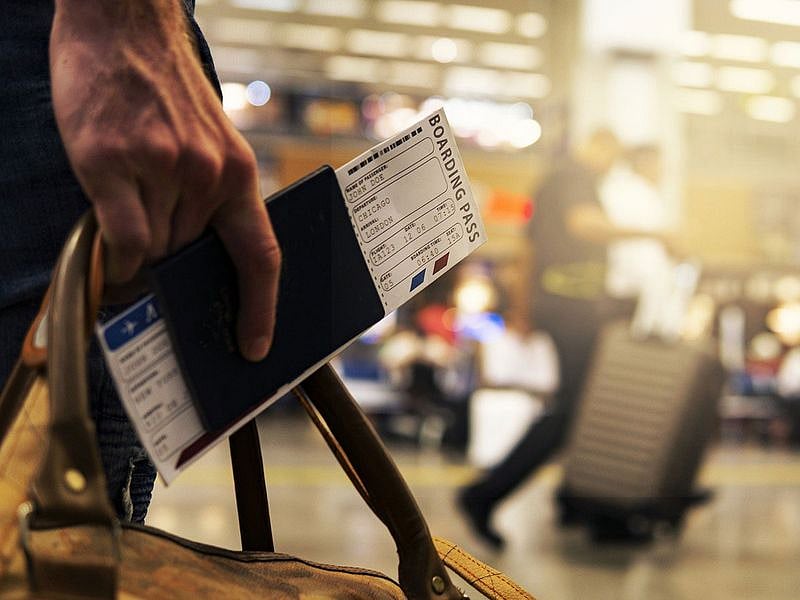
Germany will now allow Indian passport holders to transit through its airports without a visa, easing international travel and strengthening people-to-people ties.
The announcement came during German Chancellor Friedrich Merz’s first visit to India from January 12–13.
At a joint press conference, Prime Minister Narendra Modi welcomed the move, saying it will simplify travel and deepen bilateral cooperation.
Alongside the visa announcement, PM Modi invited German universities to establish campuses in India, marking a new push in higher education collaboration. He said the new Indo-German roadmap on education will give a fresh direction to the partnership.
Key areas of cooperation
The India-Germany talks covered:
Mobility and travel: Visa-free transit for Indian citizens.
Education: Expansion of student exchanges, dual-degree programmes, and German campuses in India.
Climate and energy: Green hydrogen projects, renewable energy, and sustainable urban infrastructure.
Technology and defence: Strengthening supply chains and security cooperation.
Global issues: Joint stance on terrorism, and discussions on Ukraine and Gaza.
German funding of €1.24 billion under the Green and Sustainable Development Partnership will support renewable energy, green hydrogen, and climate-resilient urban projects.
What visa-free transit means
Indians transiting through German airports no longer need a separate visa.
Journeys become faster, smoother, and less paperwork-intensive.
The measure will enhance people-to-people links between India and Germany.
Education and skills collaboration
Rising number of Indian students in Germany.
Expansion of joint/dual degree programmes and institutional links, e.g., IITs with German technical universities.
New framework to support Indian students and graduates in the German job market.
Creation of an Indo-German Comprehensive Roadmap on Higher Education.
Milestones
Chancellor Merz’s visit marks 75 years of India-Germany diplomatic ties and 25 years of the Strategic Partnership.
Initiatives highlight stronger cultural, educational, and economic bonds, benefiting citizens, students, and professionals from both countries.
Key highlights
Germany announces visa-free transit for Indian passport holders.
PM Modi invites German universities to set up campuses in India.
Focus areas: education, green energy, technology, defence, and global issues.
German funding of €1.24b for climate, renewable energy, and urban infrastructure.
Visa-free transit simplifies travel, reduces paperwork, and boosts people-to-people ties.
Creation of Indo-German Comprehensive Roadmap on Higher Education.
Expansion of student exchange programs, dual degrees, and professional integration initiatives.
Network Links
GN StoreAbout Gulf NewsTerms & ConditionsReach by GNSitemapContact usPrivacy PolicyGN FocusHave your sayWork with usAdvertise with usGulf News epaperPrinting Services
Download our app
© Al Nisr Publishing LLC 2026. All rights reserved.