Indian rupee at an all-time low, hits 25 vs. UAE dirham
Rupee weakens past 24.9 per dirham, reshaping remittances, travel and savings
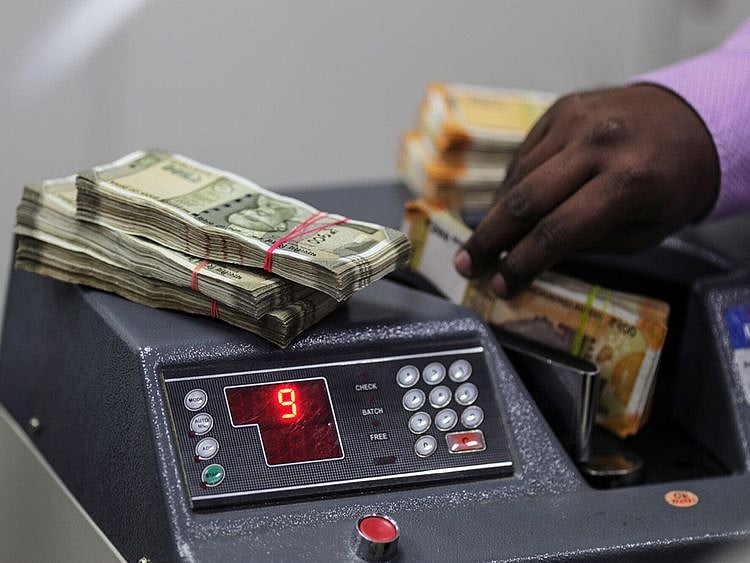
Dubai: The Indian rupee slipped to an all-time low on Friday, pushing the exchange rate close to 25 to the UAE dirham and sharpening the impact on millions of residents who send money home, hold rupee-linked savings or plan near-term travel to India. (Check live forex rates here)
By 2.30 pm on Friday, Dh1 was fetching 24.93 Indian rupees. Several major platforms and exchange services were already quoting stronger levels, with rates near or just above 25, reflecting intraday volatility and tight liquidity.
A steady slide
The rupee began January trading just below 24.4 to the dirham. Early gains for remittance users were modest and gradual, with the currency drifting through the mid 24.4 and 24.5 range during the first half of the month. Momentum picked up after mid-January, when the exchange rate moved decisively beyond 24.6.
Over the past five sessions alone, the rupee weakened from around 24.67 to nearly 24.93 against the dirham. The speed of the decline has stood out. What had been a slow grind lower through early January turned into a sharp slide in the final week, bringing the psychologically important 25 level into view far sooner than many consumers expected.
Compared with the end of December, when Dh1 bought roughly 24.34 rupees, the rupee has lost close to 60 paise in less than a month. That shift translates into a meaningful difference for households sending regular remittances or planning larger transfers tied to tuition fees, property payments or family expenses.
Why the rupee is under pressure
According to a Reuters report, the rupee fell to a lifetime low against the US dollar on Friday, weighed down by a combination of equity outflows, importer demand and speculative positioning. The currency slid to 91.95 per dollar and is now down more than 1% for the week.
Foreign investors have pulled around $3.5 billion from Indian equities so far this month, dragging the Nifty 50 down nearly 5% in January. Selling intensified during the past week, reinforcing pressure on the currency. On Friday, the benchmark index fell 0.8%, weighed by a selloff in shares of Adani group companies after the US Securities and Exchange Commission sought court approval to personally email summons to Gautam Adani.
The rupee has now fallen more than 2% in January, adding to a 5% decline recorded last year. Economists cited by Reuters point to capital flows as a persistent vulnerability. Portfolio equity outflows hit a record $18.9 billion last year, while inflows through external commercial borrowings remained subdued.
The Reserve Bank of India has intervened repeatedly to slow the pace of the decline. Market participants said the central bank sold dollars aggressively on at least two occasions this week. The action has helped temper volatility but has not reversed the broader trend.
What happens next
Currency strategists remain cautious about calling a bottom. Dollar demand from importers, ongoing equity outflows and global risk sentiment continue to weigh on the rupee. Central bank intervention may smooth sharp moves, but market participants do not expect a swift rebound without a turnaround in capital flows.
- With inputs from Reuters.

Sign up for the Daily Briefing
Get the latest news and updates straight to your inbox
Network Links
GN StoreDownload our app
© Al Nisr Publishing LLC 2026. All rights reserved.