Will oil prices hit $200 if the US hits Kharg energy exports?
Oil prices have been moving sharply to shifting narratives around diplomacy and escalation
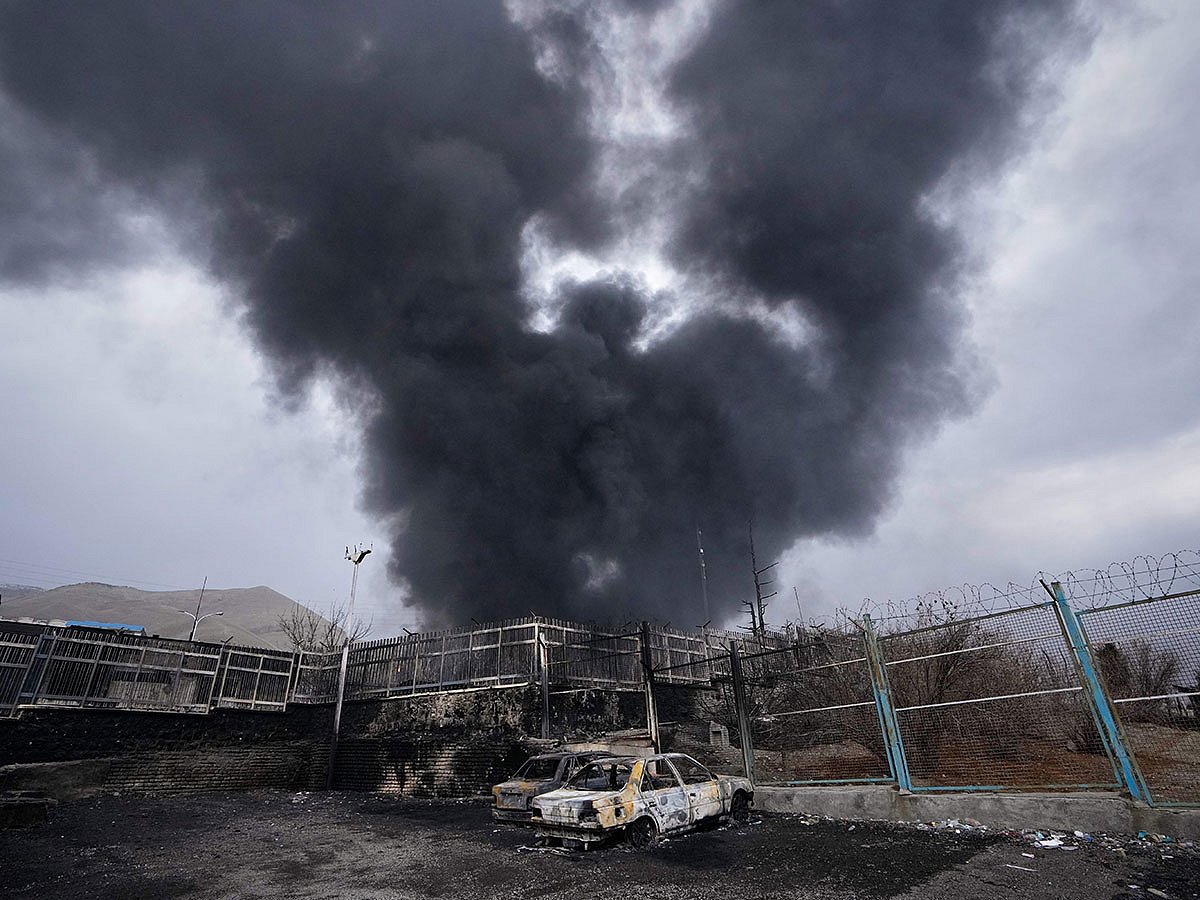
Dubai: The prospect of oil prices rising to $200 per barrel is now being increasingly tied to a single variable: whether Iran’s Kharg Island export infrastructure is directly targeted.
The shift reflects how markets are moving beyond broad geopolitical risk and focusing on specific supply nodes that could materially alter global balances.
Kharg Island remains Iran’s primary crude export terminal, handling most of the country’s outbound shipments. Any disruption there would move the market from pricing uncertainty to pricing an immediate loss of supply, making it a central variable in current price expectations.
As Stephen Innes, managing partner at SPI Asset Management in Singapore, said, “Kharg Island is where the endgame gets written,” highlighting its importance in determining how geopolitical developments translate into oil price outcomes.
Conflicting signals in market
Oil prices have been moving sharply in response to shifting narratives around diplomacy and escalation. The market has struggled to establish a clear direction, reacting to headlines rather than confirmed changes in supply.
Joseph Dahrieh, managing director at Tickmill in the Middle East, said recent price action reflects this uncertainty. “Oil prices staged a rebound… as markets grappled with conflicting signals surrounding diplomatic efforts in the Middle East,” he said.
Dahrieh added that diverging messaging between the US and Iran has unsettled sentiment and kept markets on edge. “The divergence in narratives has unsettled market sentiment… while the continued absence of tanker traffic in the Strait of Hormuz is materially constraining crude flows.”
That combination of narrative-driven volatility and emerging physical constraints has kept price risks skewed to the upside, even as markets lack a clear directional trend.
Stay updated: Get the latest faster by downloading the Gulf News app - it's completely free. Click here for Apple or here for Android. You can also find it on the Huawei AppGallery.
From transit to supply risks
Much of the market’s attention remains on the Strait of Hormuz, a key transit route for global oil flows. Disruptions there primarily affect shipments already in transit and tend to create short-term volatility.
Kharg represents a more direct supply risk. As an origin point, any disruption would immediately constrain the volume of crude entering global markets rather than simply delaying deliveries.
Innes said markets would immediately treat any strike as a supply event rather than a political signal. “Any move on Kharg is immediately read as a supply disruption, not a policy action. The market prices worst case first. Flows are assumed lost, risk premiums explode higher, and oil spikes as traders scramble to price uncertainty.”
Duration of disruption is key
A strike on Kharg would likely trigger an immediate increase in oil prices as markets reprice supply risk. The initial move would reflect uncertainty over damage and escalation rather than confirmed supply loss.
The longer-term trajectory would depend on how long exports remain disrupted and whether flows can be restored. Temporary outages may lead to sharp but short-lived price spikes, while prolonged disruptions would tighten supply balances and support higher prices.
Innes said the market response would evolve as clarity emerges. “Once the US establishes control and the market can see that the flow of oil is being managed rather than destroyed, the narrative shifts from disruption to control.”
He added that this shift could reverse early gains. “The risk premium starts to come out, positioning unwinds, and you get a relief sell-off.”
Prices still at risk premium
Recent price moves suggest that markets remain anchored in uncertainty rather than pricing a confirmed shortage. Oil has retreated from recent highs even as geopolitical risks persist, reflecting a lack of sustained disruption.
Antonio Di Giacomo, senior market analyst at XS.com in Europe, said earlier declines were driven by temporary optimism around de-escalation. “Crude oil prices declined… amid mixed signals on the conflict in the Middle East,” he said, pointing to initial expectations of a potential peace plan.
Di Giacomo said that optimism faded quickly as uncertainty returned, with conflicting signals preventing the market from establishing a clear short-term trend and keeping volatility elevated.
$200 remains a tail-risk case
A move toward $200 per barrel would likely require more than a single strike. It would depend on a prolonged disruption to exports, continued constraints on regional shipping, and limited ability to offset lost supply.
Short-term shocks tend to produce sharp but temporary price increases, particularly when driven by uncertainty. Sustained outages, by contrast, tighten physical balances and can push prices higher if they persist.
For now, market behaviour suggests traders are not pricing a prolonged supply shock. Prices continue to reflect a geopolitical risk premium, with the trajectory dependent on whether disruption at Kharg, if it occurs, proves temporary or sustained.

Sign up for the Daily Briefing
Get the latest news and updates straight to your inbox
Network Links
GN StoreDownload our app
© Al Nisr Publishing LLC 2026. All rights reserved.