Syria to unveil new oil and gas deal with US energy giant Chevron, investment chief says
The country’s new regulations allow non-Syrians to own 100% of private projects
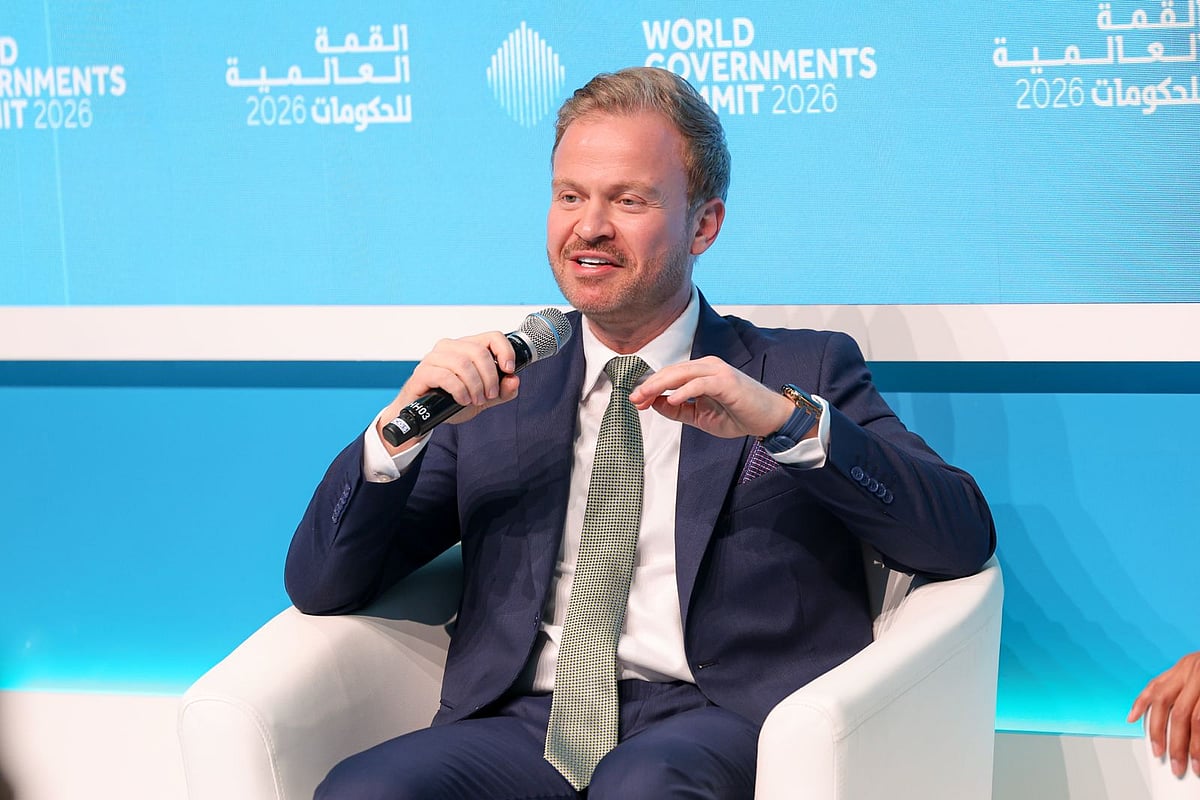
Dubai: Syria will soon announce a major oil project with US energy giant Chevron, the head of the country’s investment authority said on Tuesday, as Damascus seeks to attract foreign capital after years of conflict and isolation.
Talal Helali, chairman of the Syria Investment Authority, made the remarks on February 4 during a panel at the 2026 World Government Summit in Dubai.
“We are open to all countries, and any investor wishing to engage with the Syrian economy is warmly welcome,” Helali said.
His comments come as Syria’s interim government accelerates efforts to rebuild the economy and draw in investors following the collapse of Bashar Al Assad’s rule in December 2024.
Syria has since entered a transition period under interim President Ahmed Al Sharaa, with the Syrian Transitional Government formed in March 2025.
Helali said one of the most significant steps taken to reshape the economy was the introduction of a new investment decree last year.
Under the revised law, foreign investors can own 100 per cent of projects without being required to take on Syrian partners, Helali said, adding that the government has also moved to end state takeovers of private ventures, a practice that was common in the past.
“In this law, we have taken the best practices of some of the most successful countries, including the UAE, to adapt to Syria and attract investors,” he said.
Helali also outlined incentives aimed at boosting key sectors, including tax waivers for agriculture and healthcare sector and said manufacturers exporting at least half of their production could receive tax reductions of up to 80 per cent.
Syria is also seeking to revive tourism, "we have also opened up tourism. Syria has always been known for its landscape and rich ancient history,” he said.
Helali pointed to Aleppo as an emerging hub for low-cost manufacturing, noting increased interest from international firms. On infrastructure, Helali said electricity supply had improved during the transitional government’s tenure, rising from just three hours per day to around 13 hours currently.
“Without stable and continuous power you cannot manufacture,” he said, adding that Syria aims to provide 24-hour electricity nationwide by the end of 2026. He credited Azerbaijan as a major supporter in gas and power generation.
Helali, who said he was raised in the UAE after his family moved there in the 1970s, underscored the significant backing Syria has received from regional allies. “Our partners came in to support without any hesitation, especially the UAE, Saudi Arabia, Qatar and Turkey,” he said.
In October 2025, President Ahmed Al Sharaa said Syria had attracted around $28 billion in investments in the first six months of the year, with strong participation from companies based in the Gulf.
Helali said Syria’s recovery would depend on expanding public-private partnerships, privatisation and concessions now that sanctions have been lifted.
With the government still transitional, questions remain among investors over whether reforms will endure beyond the interim period. Helali insisted the vision would continue. “My intention is to have a purpose and to give Syrian hope,” he said. “There is a lot of potential.”
Network Links
GN StoreDownload our app
© Al Nisr Publishing LLC 2026. All rights reserved.