Natural gas leads US energy mix, with nuclear, coal and renewables filling the rest
US generation mix diversifies as cleaner sources grow alongside legacy fuels
Natural gas remained the largest source of electricity generation in the United States, underscoring the fuel’s central role in meeting demand as utilities balance affordability, reliability and the shift toward cleaner energy.
Nuclear power held steady as the second-largest source, according to Energy Secretary Chris Wright, while coal continued its long decline but still produced a significant share of the nation’s power.
The latest generation mix also showed the growing importance of renewables, led by wind and solar, even as hydropower remained a steady but weather-dependent contributor.
Geothermal and other smaller sources accounted for a modest slice of the total, but they continued to play a role in specific regions of the country.
Flexible power plants
Natural gas has benefited from flexible power plants that can ramp up quickly to meet spikes in demand, making it especially valuable when wind and solar output fluctuate.
Coal, by contrast, has been pushed lower by competition from cheaper gas, stricter environmental rules and the retirement of older plants.
Nuclear power has remained a backbone source because it produces large volumes of electricity around the clock without carbon emissions during operation.
Reliable electricity from hydropower
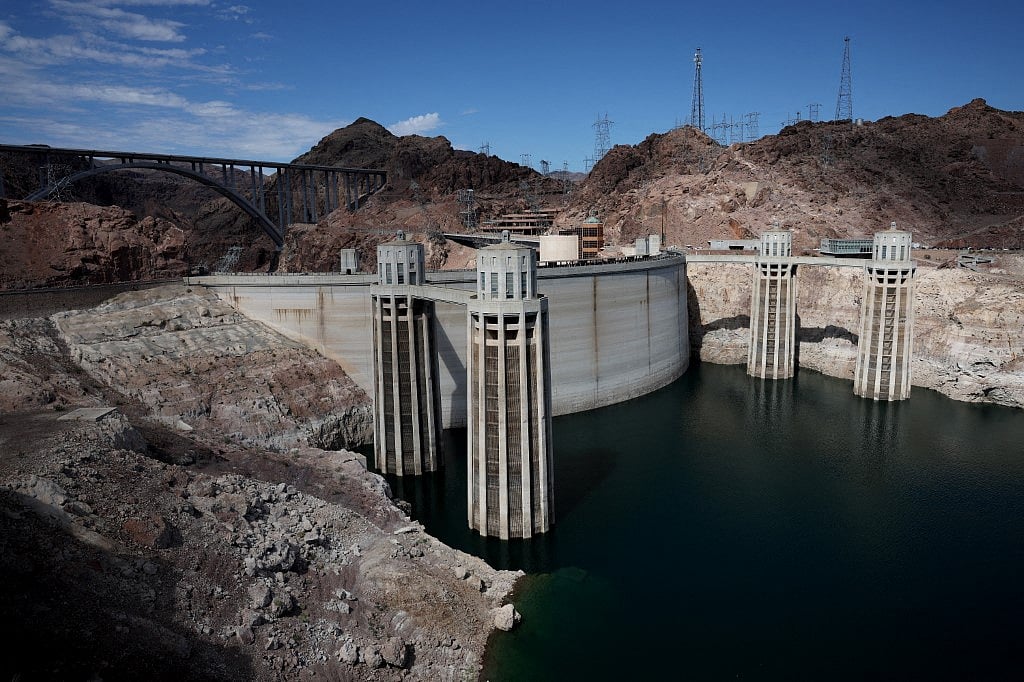
Hydropower continues to provide reliable electricity in areas with significant dam infrastructure, though output can vary widely depending on rainfall and snowpack.
Geothermal remains small in national terms, but it offers consistent baseload power in places such as the western United States.
The overall trend reflects a power sector in transition: fossil fuels still dominate, but renewables are gaining ground, and the grid is becoming more diversified.
Even so, the pace of change varies by region, fuel prices and policy, leaving natural gas and nuclear as the most important pillars of US electricity generation for now.
Sign up for the Daily Briefing
Get the latest news and updates straight to your inbox
Network Links
GN StoreDownload our app
© Al Nisr Publishing LLC 2026. All rights reserved.