UAE Central Bank project could cut delays for firms trading overseas
Project Aperta aims to reduce duplication, checks and onboarding delays for businesses
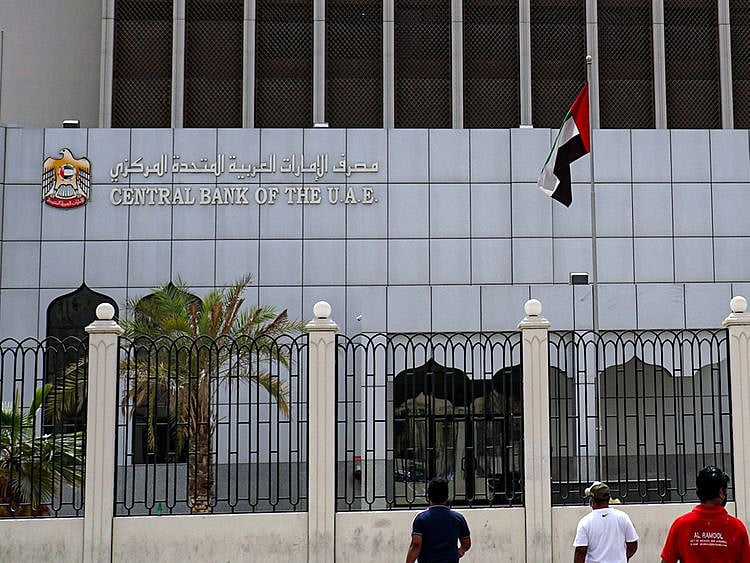
Dubai: The Central Bank of the UAE has completed Project Aperta, a cross-border open finance initiative designed to make international financial data exchange faster, safer and more efficient for businesses and financial institutions.
The project, led by the Bank for International Settlements, tested how open finance networks in different jurisdictions can be connected through a trusted interoperability layer without changing domestic financial frameworks.
Get updated faster and for FREE: Download the Gulf News app now - simply click here.
The Central Bank said the prototype enables secure, real-time cross-border financial data exchange.
What the project does
Project Aperta was developed with the BIS Innovation Hub Hong Kong Centre, the Hong Kong Monetary Authority, the Central Bank of Brazil and the UK’s Financial Conduct Authority.
The Global Legal Entity Identifier Foundation, the International Chamber of Commerce Digital Standards Initiative and the Hong Kong University Standard Chartered Foundation FinTech Academy also participated.
The project showed how domestic open finance networks can be linked through a neutral layer while preserving national rules, security requirements and supervisory oversight.
This will be a big relief for businesses because cross-border finance often involves repeated document checks, manual verification and duplicated compliance processes, all of which can slow down access to banking, trade finance and international markets.
Support for SMEs
The project tested two practical use cases across five economies.
The first focused on cross-border data portability, allowing verified business information to be shared securely to speed up onboarding and reduce manual checks.
The second looked at trade finance lifecycle management, showing how structured digital data could streamline processes from contract issuance to final settlement.
The Central Bank said the tests confirmed that cross-border data exchange can be achieved securely while reducing duplication, compliance costs and onboarding times for SMEs involved in international trade.
For smaller businesses, this could eventually mean faster access to financial services when expanding into new markets, applying for trade finance, or dealing with banks across borders.
"Project Aperta reflects our vision to position ourselves among the world’s leading central banks in promoting monetary and financial stability and supporting the UAE’s competitiveness by advancing a more connected, efficient, and trusted global financial ecosystem," said Khaled Mohamed Balama, Governor of the CBUAE. "By enabling the secure and seamless exchange of data, the project contributes to the development of next-generation financial services and empowers businesses and financial institutions to access global markets more efficiently.”
The project also supports the UAE’s wider push to build a more advanced financial infrastructure, with open finance seen as a key part of future banking, payments, trade finance and digital identity systems.
Open framework for other markets
The Central Bank said all architectural blueprints, translation protocols, trust framework designs, reference code and data models developed through Project Aperta have been released as open and reusable public goods.

Sign up for the Daily Briefing
Get the latest news and updates straight to your inbox
Network Links
GN StoreDownload our app
© Al Nisr Publishing LLC 2026. All rights reserved.