From pilot flight to standard practice: Hi Fly celebrates 7 years of plastic-free operations
The carrier first trialled plastic-free flights in 2018, banning them fleet-wide by 2020
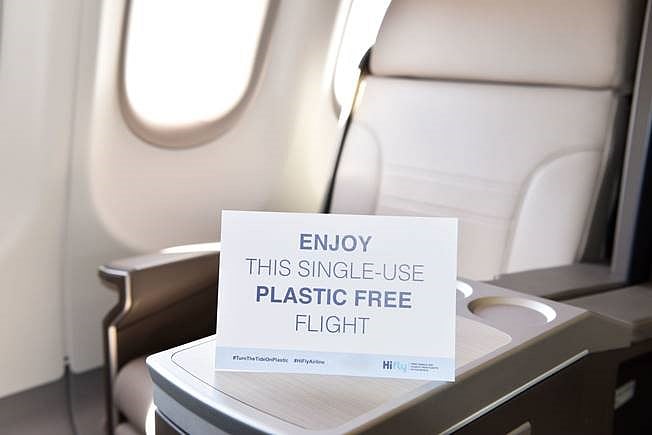
Dubai: Portuguese charter specialist Hi Fly has marked the seventh anniversary of the aviation industry’s first single-use plastic-free commercial flight, a milestone that has since seen the carrier remove tonnes of waste from its global operations.
The anniversary was commemorated this month with a long-haul flight between Lisbon and Recife, Brazil, conducted entirely without disposable plastic items. The carrier, which frequently operates charter services through major hubs including Dubai and London, first trialled the concept in December 2018 before implementing a fleet-wide ban on 1 January 2020.
Also Read
29,290 laps around the Earth, 55.6 million passengers: Emirates’ 2025 report card UAE single-use plastic ban explained: What changes from 2026From retailers to residents: UAE embraces single-use plastic banUAE ban on single-use products: Retailers stock eco-friendly alternatives, pledge stable pricesOperational shift in long-haul service
According to data released by the airline, the transition to sustainable alternatives, including bamboo cutlery, compostable packaging, and recycled materials, removes approximately 100kg of plastic from a single long-haul flight.
The initiative began as a pilot programme to test whether environmental targets could be met within the rigorous logistical constraints of international aviation. Following the success of the initial 2018 flight, the company moved to permanently overhaul its cabin service equipment across its entire fleet.
From pilot programme to industry standard
"This anniversary demonstrates that what began as an industry-first initiative has become an established operational reality," the company said in a statement.
While many international carriers have faced criticism for the slow pace of cabin waste reduction, Hi Fly has maintained a strict prohibition on single-use plastics across its fleet of widebody aircraft for over five years. The carrier’s operations often involve complex missions, including humanitarian relief and specialist flights to Antarctica, where waste management is a primary environmental concern.
Commitment to future sustainability
The airline noted that it continues to work with industry partners to refine its waste-reduction strategies, focusing on the broader goal of mitigating the environmental impact of long-haul travel. Seven years on from the Lisbon-based carrier’s first trial, the company remains focused on integrating these responsible practices into daily operations rather than treating them as one-off marketing exercises.

Sign up for the Daily Briefing
Get the latest news and updates straight to your inbox
Network Links
GN StoreDownload our app
© Al Nisr Publishing LLC 2026. All rights reserved.