Military escalation in Middle East could push more than 30 million people into poverty worldwide, UNDP warns
The crisis forces trade-offs between stabilising prices today and funding jobs tomorrow
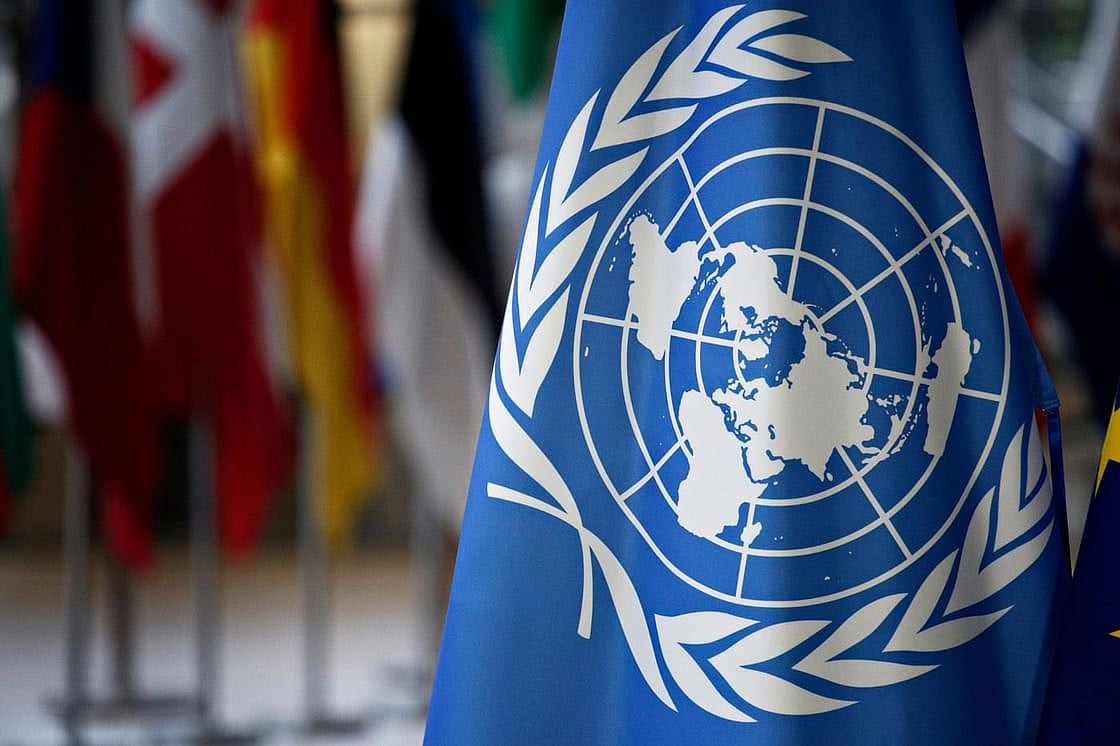
Ongoing military escalation in the Middle East puts tens of millions of people at risk of falling into poverty across 162 countries, according to new projections released today by the United Nations Development Programme (UNDP).
While the impacts are concentrated in countries directly affected by the conflict and those dependent on imported energy, the findings point to significant longer-term harm to poorer countries far removed from the fighting.
Get updated faster and for FREE: Download the Gulf News app now - simply click here.
The findings are published in a new policy brief - Military escalation in the Middle East: Reversals in global development, policy response options – that uses Global Trade Analysis Project (GTAP) modelling to assess economic impacts under scenarios ranging from short-lived disruption to prolonged shocks lasting eight months.
Now in its 6th week, and despite the temporary ceasefire, the impacts are evolving from an ‘acute’ to an ‘enduring’ phase. The longer this phase continues, the greater the risk of accelerated lapses into poverty in vulnerable countries, the brief reveals. Under the worst-case scenario, an additional 32 million people could be pushed into poverty.
“War is development in reverse. Conflict can undo in weeks what countries have built over years,” said UNDP Administrator and UN Under-Secretary-General Alexander De Croo. “This new analysis shows that the shock of the escalation of the conflict in the Middle East is not limited to the countries directly affected, but falls disproportionately on those with the least fiscal room to absorb higher energy and food prices.
For these countries, the crisis forces impossible trade-offs between stabilising prices today and funding health, education, and jobs tomorrow. That is unacceptable, and it is preventable. Early policy action matters.”
UNDP sets out policy options for countries to help mitigate the effects of the conflict under each projected scenario. Chief among these is a recommendation that policymakers consider targeted and temporary cash transfers to protect poor and vulnerable households as a first line of defense. Depending on the scenario, as much as US$6 billion in cash transfers would be needed for this measure to be effective.
Other recommendations include temporary and targeted subsidies or vouchers for minimum ‘consumption blocks’ of electricity or cooking gas. The brief cautions against blanket energy subsidies - widely used in developing economies – that disproportionately favour wealthier households over those most in need and are financially unsustainable over time.
Network Links
GN StoreDownload our app
© Al Nisr Publishing LLC 2026. All rights reserved.