What Washington wants from fresh Iran talks on nuclear programme, Hormuz and Hezbollah
US pursues nuclear curbs and regional stability while Tehran insists on enrichment rights
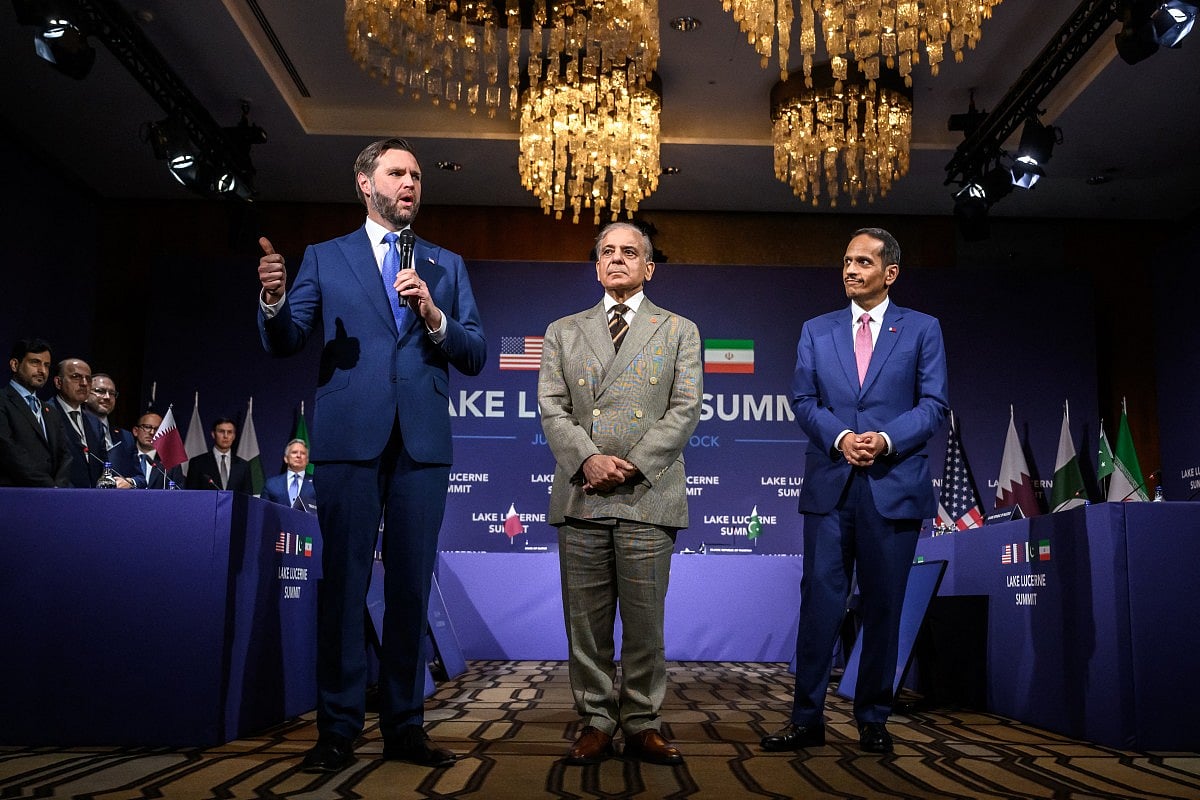
DUBAI: Senior US and Iranian officials met in Switzerland on Sunday for the first round of direct negotiations aimed at building on last week's interim agreement, launching what is expected to be a 60-day effort to address Tehran's nuclear programme and wider regional tensions.
The talks at the Burgenstock resort near Lake Lucerne are the most significant engagement between the two sides since the agreement was signed following months of conflict involving Iran, Israel and the United States. But even as negotiations got under way, President Donald Trump warned Tehran against allowing Hezbollah to undermine a fragile ceasefire in Lebanon.
"Iran must immediately stop their highly paid proxies in Lebanon from causing trouble," Trump wrote on Truth Social. "If they don't, we'll hit Iran very hard again, just like we did last week, only harder."
Vice-President JD Vance, who is leading the American delegation alongside Steve Witkoff and Jared Kushner, struck a more conciliatory tone, describing the talks as "historic" and expressing hope for a broader reset in relations, according to media reports.
"The question before us now is how much more can we accomplish together? Can we turn over a new leaf? Can we change relations in the Middle East permanently?" Vance said.
Iran's delegation is being led by Foreign Minister Abbas Araghchi and Parliament Speaker Mohammad Bagher Ghalibaf, with Pakistan and Qatar acting as mediators.
US objectives
Renew nuclear inspections: Secure broader access for UN nuclear inspectors.
Limit nuclear activity: Negotiate restrictions on Tehran's nuclear programme.
Keep Hormuz open: Ensure uninterrupted shipping through the vital waterway.
Rein in Hezbollah: Prevent Lebanon tensions from undermining the agreement.
Preserve regional stability: Reduce the risk of renewed conflict across the Middle East.
Gain verifiable commitments: Seek measurable Iranian steps in exchange for incentives.
Build a broader relationship: Use the talks to explore a longer-term reset in US-Iran ties
A broader agenda
For Washington, the negotiations are about far more than preserving the interim agreement.
The US wants to use the 60-day negotiating window to secure limits on Iran's nuclear activities, establish mechanisms for monitoring compliance and reduce the risk of future conflict in the region.
American officials are also seeking renewed access for inspectors from the International Atomic Energy Agency (IAEA) to Iranian nuclear facilities, some of which were damaged during the conflict.
Another key objective is keeping the Strait of Hormuz open. The strategic waterway carries a significant share of globally traded oil and liquefied natural gas, making uninterrupted shipping a major concern for energy markets and governments worldwide.
Lebanon clouds diplomacy
The negotiations are taking place against the backdrop of renewed tensions between Israel and the Iran-backed Hezbollah movement.
Despite a ceasefire provision in the US-Iran memorandum of understanding, recent clashes in Lebanon have raised fears that the wider agreement could unravel before negotiations make meaningful progress.
Israeli Prime Minister Benjamin Netanyahu said on Sunday that Israeli forces would remain in southern Lebanon "as long as necessary" and reiterated his pledge to prevent Iran from acquiring nuclear weapons.
"We will remain in the security zone in southern Lebanon for as long as necessary to protect the residents of the north and all the citizens of Israel," Netanyahu said.
The issue has emerged as one of the most immediate tests of whether the diplomatic process can survive events on the ground.
No retreat on enrichment
Yet the biggest challenge may be the gap between what Washington wants and what Tehran is willing to concede.
Iranian President Masoud Pezeshkian has signalled that Tehran will not compromise on what it considers a fundamental right.
"What is certain is that we will never back down from the right to enrich uranium, and the other side is also forced to accept it," he said, according to Iranian state media.
The remarks underscore the central obstacle facing negotiators. While Washington is seeking greater oversight and limits on Iran's nuclear activities, Tehran insists that any future agreement must recognise its right to maintain a civilian nuclear programme.
With both sides entering the talks with sharply different priorities, the coming weeks will determine whether last week's breakthrough can evolve into a more durable accord — or whether old disputes once again derail diplomacy.
- With inputs from the Associated Press

Sign up for the Daily Briefing
Get the latest news and updates straight to your inbox
Network Links
GN StoreDownload our app
© Al Nisr Publishing LLC 2026. All rights reserved.