Video: Rain turns Iran’s Hormuz Island seas bright red in surreal natural display
Heavy rains wash iron-rich soil into ocean on Hormuz Island, creating striking red tides
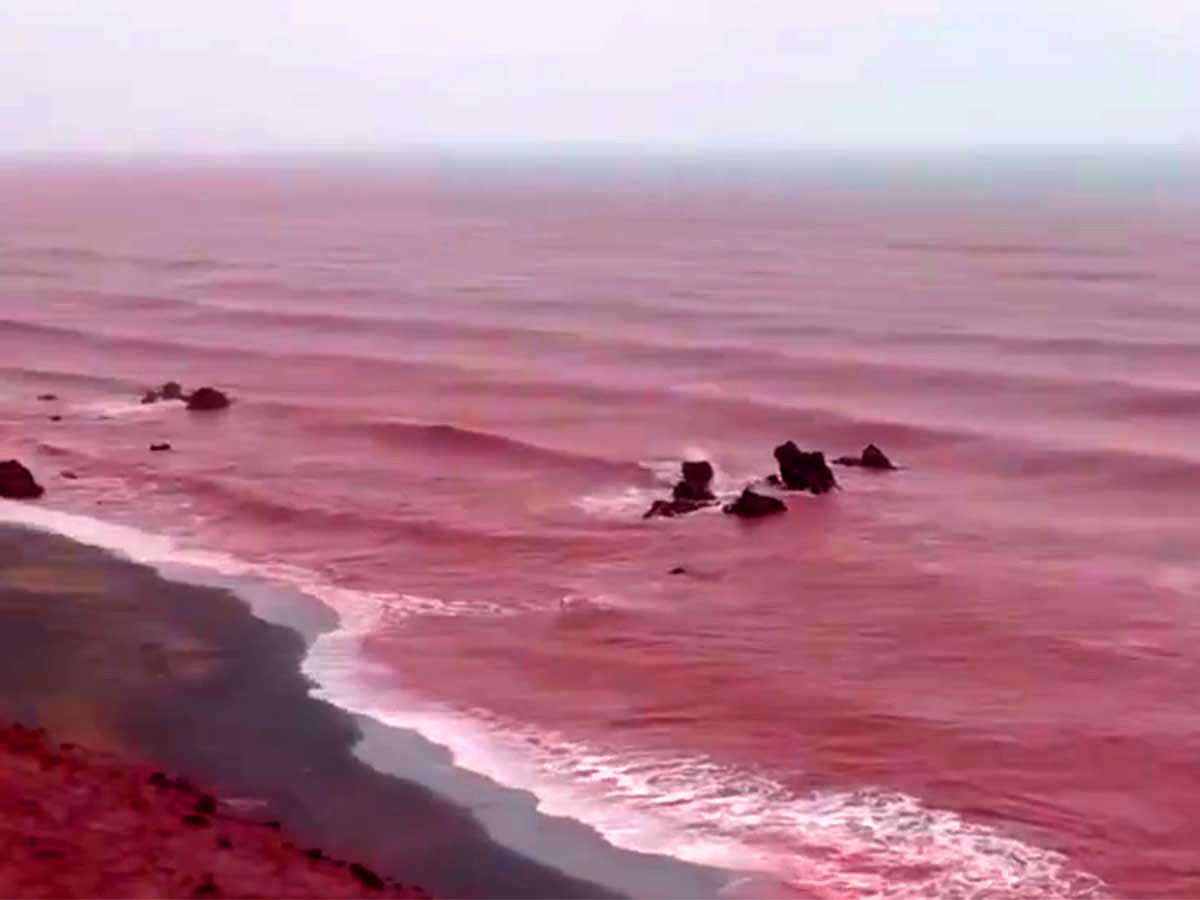
Heavy rains on Hormuz Island in southern Iran transformed parts of the island’s shoreline — known locally as Red Beach — into a vivid crimson tide, captivating visitors and viewers across social media. Videos and images shared online show rainwater washing rich red mineral soils from the slopes into the nearby sea, coloring both the water and sandy shore an intense red hue.
Hormuz Island, located in the Strait of Hormuz in the Arabian Gulf, is famed for its naturally red soil and colourful landscapes. The iron-rich soil — referred to locally as golak — gives the island’s beaches their distinctive hue and is prized for artistic, industrial and cultural uses. When heavy rain falls, torrents of this soil wash down from the red cliffs into the ocean, creating the phenomenon observed this week.
The rainfall-induced colour change has become a celebrated event on the island, drawing tourists and photographers alike. Videos shared on platforms such as Instagram show the shore and shallow water turning bright red as soon as the rain mixes with mineral-laden sediment. Some clips have gone viral, prompting widespread interest online.
The striking effect is a regular, though not everyday, occurrence tied to the island’s unique geology. Iron oxide and other minerals in the sediment produce the intense red colour when they enter the water, a process similar to what some visitors and reports have called “blood rain,” though there is no biological material involved.
Hormuz Island — also called the 'Rainbow Island' for its multi-hued terrain — attracts travellers year-round to see its vibrant soil, rugged shoreline and historic sites. Beyond the red beaches, the island’s landscape includes formations in hues of yellow, orange and other shades, the result of intricate geological processes over thousands of years.
Network Links
GN StoreDownload our app
© Al Nisr Publishing LLC 2026. All rights reserved.