US military rejects Iranian mine-strike claims, says Hormuz transit lanes remain 'clear'
CentCom denies reports of sea mines disrupting oil shipments in Hormuz
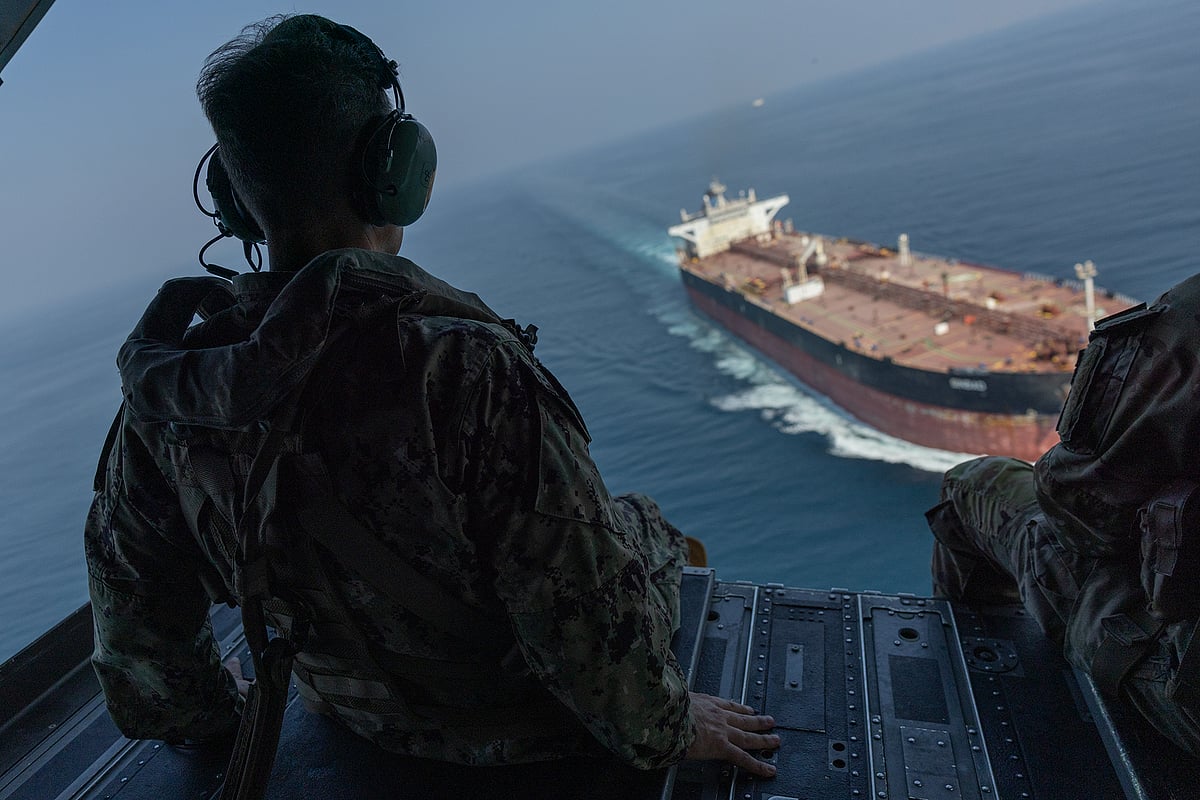
The US Central Command (CentCom) has rejected Iranian media claims that commercial ships are striking sea mines in the Strait of Hormuz, saying American forces have cleared the waterway’s internationally recognised primary transit routes and that those lanes remain mine-free.
In an Oct. 28 statement on X, CENTCOM described the reports circulated by what it called “Iranian-controlled media” as false.
Get it: Fast, verified news for FREE ... download the Gulf News app — simply click here
“All internationally recognized primary transit routes through the Strait of Hormuz have been cleared of sea mines by US forces and remain so,” the command said.
“Thousands of commercial vessels have safely used the transit lanes and continue today.”
The statement affirms Washington’s position, but remains to be independently verified for every part of the strait.
CENTCOM did not identify the individual incidents it was disputing, provide a vessel-by-vessel accounting or specify the period covered by its “thousands” figure.
'Free and clear' of Iranian mines
The announcement reinforces earlier remarks by CentCom commander Adm. Brad Cooper, who said the primary shipping routes remained “free and clear of Iranian sea mines.”
Reporting on those remarks also noted continuing concern within the shipping industry over Iranian threats and disputed accounts of tanker damage.
Importantly, cleared transit lanes do not mean the entire Gulf is free of mines or that commercial navigation faces no other threats.
An earlier UK Maritime Trade Operations weekly report documented a container ship struck by an unidentified projectile while transiting Hormuz, illustrating the distinction between mine clearance and broader maritime security.
The safe passage of thousands of vessels also does not establish that trade has returned to "normal".
US Energy Information Administration data show that oil flows through Hormuz fell from 21.6 million barrels daily in the fourth quarter of 2025 to 4.9 million in the second quarter of 2026. Those are historical quarterly figures — not a measurement of current October traffic.
In its Oct. 21 outlook, the EIA expected global crude production and trade flows to recover toward pre-conflict levels by year-end. That remains a forecast, not confirmation that the recovery is complete.
Why it matters
Hormuz connects the Arabian Gulf with the Gulf of Oman and the Arabian Sea and is a critical energy chokepoint.
Before the current disruption, roughly one-fifth of global petroleum consumption passed through it. Reliable information about navigation risks matters for crews, insurers, shipping decisions and energy markets.
CentCom's reassurance, while significant, “primary lanes remain clear of mines” should not be rewritten as “all shipping is safe” or “Hormuz traffic is normal.”
Those broader conclusions require separate evidence.
What’s next
Watch for incident-specific findings from maritime authorities, updated navigational advisories and current vessel-traffic data.
Further documentation would help assess disputed mine-strike reports and establish whether ships are consistently using the cleared routes.
For shippers, CentCom's statement is one input — not a substitute for current UKMTO advisories, navigational warnings and voyage-specific security assessments.
Network Links
GN StoreDownload our app
© Al Nisr Publishing LLC 2026. All rights reserved.