Travelling from the UAE today? Latest Etihad, flydubai, Air Arabia cancellations and flight updates
Flight updates, cancellations and travel advice for UAE passengers amid regional tensions
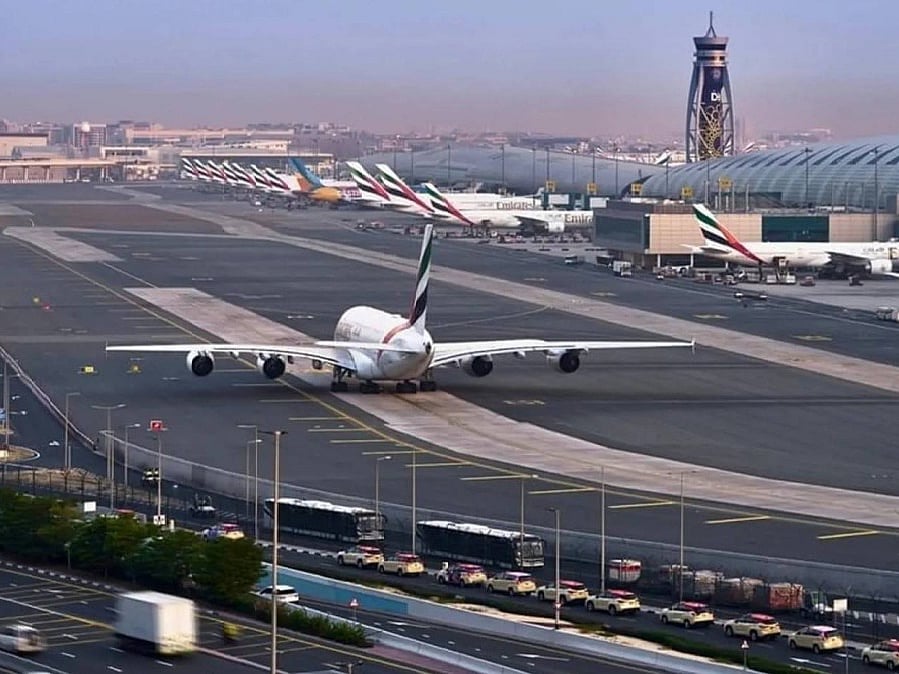
Dubai: Travellers flying to and from the UAE on Thursday, July 30, are being urged to check their flight status before heading to the airport, as fresh military action between the United States and Iran continues to disrupt air travel across the Middle East.
The latest escalation came after the United States launched retaliatory strikes on Iranian targets following Tehran's attack on a base hosting American troops in Jordan.
Explosions were reported in several parts of Iran, including Qeshm Island in the Strait of Hormuz and Khuzestan province, while oil prices surged about 7 per cent amid concerns over possible supply disruptions.
Travel agents told Gulf News that the rise in fuel prices has already begun affecting travel demand, with many passengers delaying bookings in the hope that airfares will fall.
Despite the renewed tensions, UAE airlines continue to operate at near-normal levels, although several routes remain affected by operational changes.
Get updated faster and for FREE: Download the Gulf News app now - simply click here.
Several countries have also issued travel advisories warning of possible flight disruptions, airspace restrictions and changing security conditions amid regional tensions, with travellers advised to monitor developments and confirm updates with airlines.
Flight status alert: Always check official airline websites for real-time updates, as flight schedules and conditions can change rapidly.
UAE airline updates
Etihad Airways
Etihad has cancelled flights between Abu Dhabi and Bahrain due to operational reasons. The airline has not said when services will resume.
Flights EY653 and EY654 between Abu Dhabi and Kuwait have also been cancelled.
Separately, Etihad flight EY047 from Abu Dhabi to Dublin returned shortly after take-off on July 29 because of a technical issue. The airline said passengers would continue their journey on an alternative aircraft later that evening.
flydubai
The airline has cancelled:
FZ815 Dubai-Abha
FZ811 Dubai-Abha
Air Arabia
Cancelled services include:
G9124 Sharjah-Kuwait
G9068 Sharjah-Kuwait
G9107 Sharjah-Bahrain
G9195 Sharjah-Abha
Gulf Air
Cancelled services include:
GF505 Dubai-Bahrain
GF509 Dubai-Bahrain
GF504 Bahrain-Dubai
GF508 Bahrain-Dubai
Saudia
Saudia said all cancellations and schedule changes have now been updated in its reservation system through the end of October 2026, allowing passengers to view the latest flight information.
Qatar Airways
Passenger flights to Bahrain, Erbil and Kuwait remain suspended until and including July 31.
International airlines continue suspensions
A growing number of international airlines continue to suspend or reduce services across the Gulf as security concerns persist.
Among the latest measures:
British Airways has suspended flights to Dubai, Bahrain, Amman and Tel Aviv until October 31.
Singapore Airlines, Air Canada, Cathay Pacific, Finnair and ITA Airways have suspended Dubai services until October 24.
Lufthansa and Swiss will not resume Dubai flights until September 13, while other Middle East routes remain suspended until late October.
Aegean Airlines and Air Astana have extended Dubai suspensions until August 31.
KLM has suspended Dubai services until August 23.
Philippine Airlines continues to suspend Dubai flights until October 2, although Manila-Doha services have resumed.
Turkish Airlines has resumed flights to Dubai and Abu Dhabi but continues to suspend services to Iran.
Wizz Air expects to resume Dubai and Abu Dhabi services during September.
Why some flights are taking longer
Although many UAE flights continue to operate, airlines are avoiding parts of the region's airspace because of security concerns.
Passengers may experience:
Flight times extended by one to three hours because of longer routings.
Last-minute cancellations or schedule changes.
Longer connection times at transit airports.
Delays in baggage delivery.
Global travel advisories remain in place
Several governments continue to warn travellers about possible disruption across the region.
The US Department of State has advised travellers to prepare for flight cancellations, airspace closures and other travel disruptions.
The UK's Foreign, Commonwealth and Development Office said the security situation remains unpredictable and urged travellers to monitor official updates.
Canada continues to advise against non-essential travel to the UAE, warning that renewed missile or drone activity could affect flights.
Australia has advised citizens in the region to consider leaving while commercial flights remain available, if it is safe to do so.
Meanwhile, the European Union Aviation Safety Agency (EASA) has extended its conflict-zone advisory covering Gulf airspace until August 31, urging airlines to exercise extreme caution because of the risk posed by missile and drone activity.
What travellers should do
If you are flying from the UAE today:
Check your flight status before leaving for the airport.
Monitor your airline's website or app for updates.
Ensure your airline has your latest contact details.
Allow extra time for your journey.
Follow official travel advice issued by your country's authorities if travelling overseas.
Network Links
GN StoreDownload our app
© Al Nisr Publishing LLC 2026. All rights reserved.