South Pars strike marks major escalation in Iran war: What it is, why it matters
Strike on key gas field risks widening conflict and energy shock
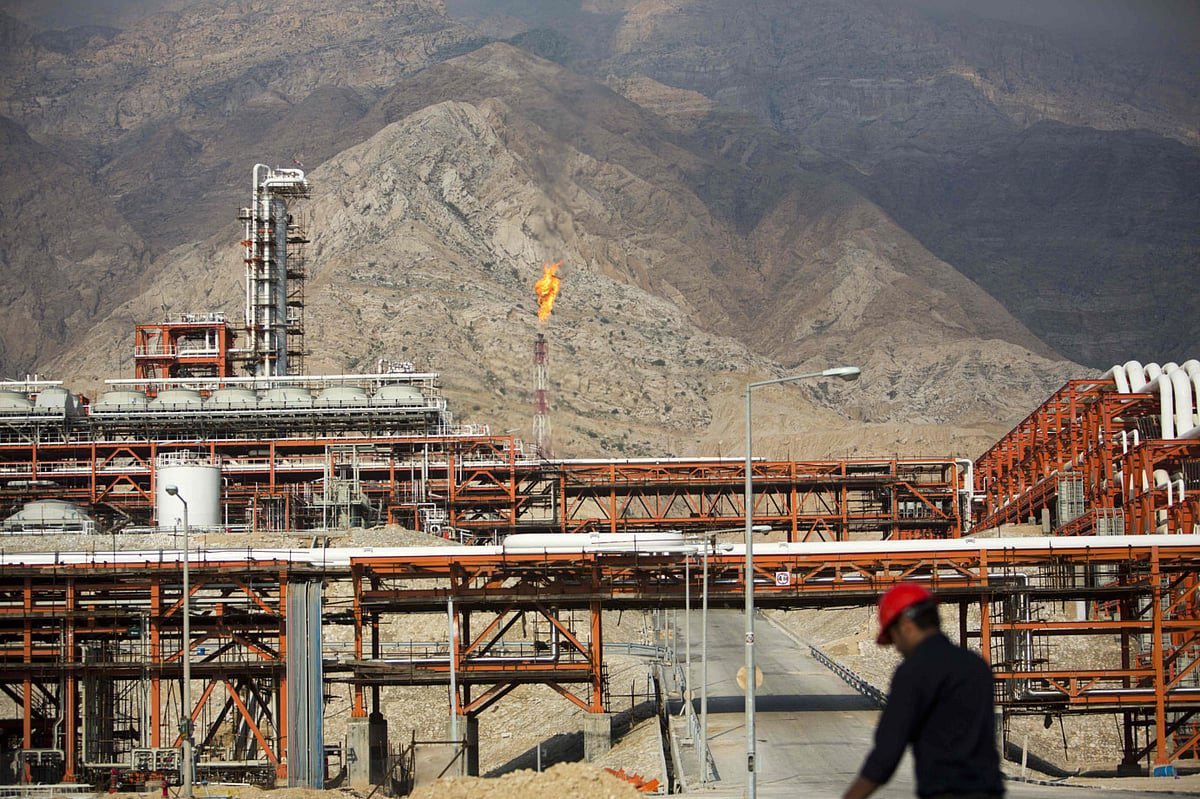
Dubai: An Israeli strike on Iran’s South Pars gas field has pushed the Middle East conflict into dangerous new territory, raising concerns over global energy supplies and regional escalation.
But what exactly is South Pars, and why is it so critical?
World’s largest gas reserve
South Pars is part of world’s largest natural gas field, located offshore in the Arabian Gulf and shared between Iran and Qatar.
Iran calls its section South Pars
Qatar calls its side the North Field
Together, it holds about 1,800 trillion cubic feet — enough to supply the world for over a decade..
Backbone of Iran’s energy
For Iran, South Pars is not just an energy asset — it is the backbone of its domestic economy.
Around 80% of Iran’s natural gas comes from the field
It powers electricity generation, heating, and industry
Iran is among the world’s top gas consumers, despite a smaller economy
Any disruption can quickly trigger power shortages and economic strain, something Iran has experienced repeatedly in recent years.
Qatar’s global energy powerhouse
The same field has made Qatar a global LNG giant.
Qatar has invested billions in developing its side
It exports liquefied natural gas (LNG) worldwide
Supplies roughly one-fifth of global LNG demandQatar has invested billions in developing its side
Gas processed at Qatar’s Ras Laffan Industrial City is shipped to markets in Asia and beyond, making the field critical not just regionally — but globally.
Why the strike is a major escalation
The attack on South Pars is significant because it targets core energy infrastructure, not just military sites.
Regional powers have warned the move risks:
Disrupting global energy supplies
Triggering retaliatory strikes on Gulf infrastructure
Expanding the conflict beyond Iran
The UAE called it a “serious escalation,” while Qatar described it as a “dangerous and irresponsible step.”
Retaliation already underway
Iran has responded by targeting energy infrastructure across the Gulf.
Strikes hit Qatar’s Ras Laffan energy hub, causing extensive damage
Saudi refineries in Riyadh were also targeted
Gulf states warned escalation could be met with escalation
These attacks have raised fears of a wider regional energy war.
Shockwaves in global markets
Even though South Pars mainly serves Iran’s domestic needs, the impact is global.
Oil prices surged
European gas prices jumped sharply
Fears grew over disruptions in the Strait of Hormuz, a key energy chokepoint
The conflict has already slowed exports of crude oil and LNG, tightening global supply.
A weak point for Iran
Unlike Qatar, Iran has struggled to fully exploit the field.
Sanctions have blocked LNG export projects
Much of its gas is used domestically
Infrastructure is ageing and vulnerable
That makes South Pars both a strategic asset — and a major vulnerability.
Trump’s warning raises stakes
US President Donald Trump has warned that Washington could “massively blow up” South Pars if Iran continues attacking Gulf energy infrastructure.
While Trump said the US was not involved in the Israeli strike, reports suggest coordination — further heightening tensions.
The bigger picture
The strike on South Pars marks a shift from military confrontation to energy warfare.
With both Iran and its Gulf neighbours targeting critical infrastructure, the conflict now threatens:
Regional stability
Global energy markets
Key shipping routes
And as attacks move closer to the heart of the world’s energy system, the risk of a broader crisis continues to grow.
-- With AP inputs

Sign up for the Daily Briefing
Get the latest news and updates straight to your inbox
Network Links
GN StoreDownload our app
© Al Nisr Publishing LLC 2026. All rights reserved.