Shot from close range: Who was Rubina Aminian and how Iran’s protest crackdown is killing young Iranians
Families mourn young victims as close-range gunfire marks Iran’s protest crackdown
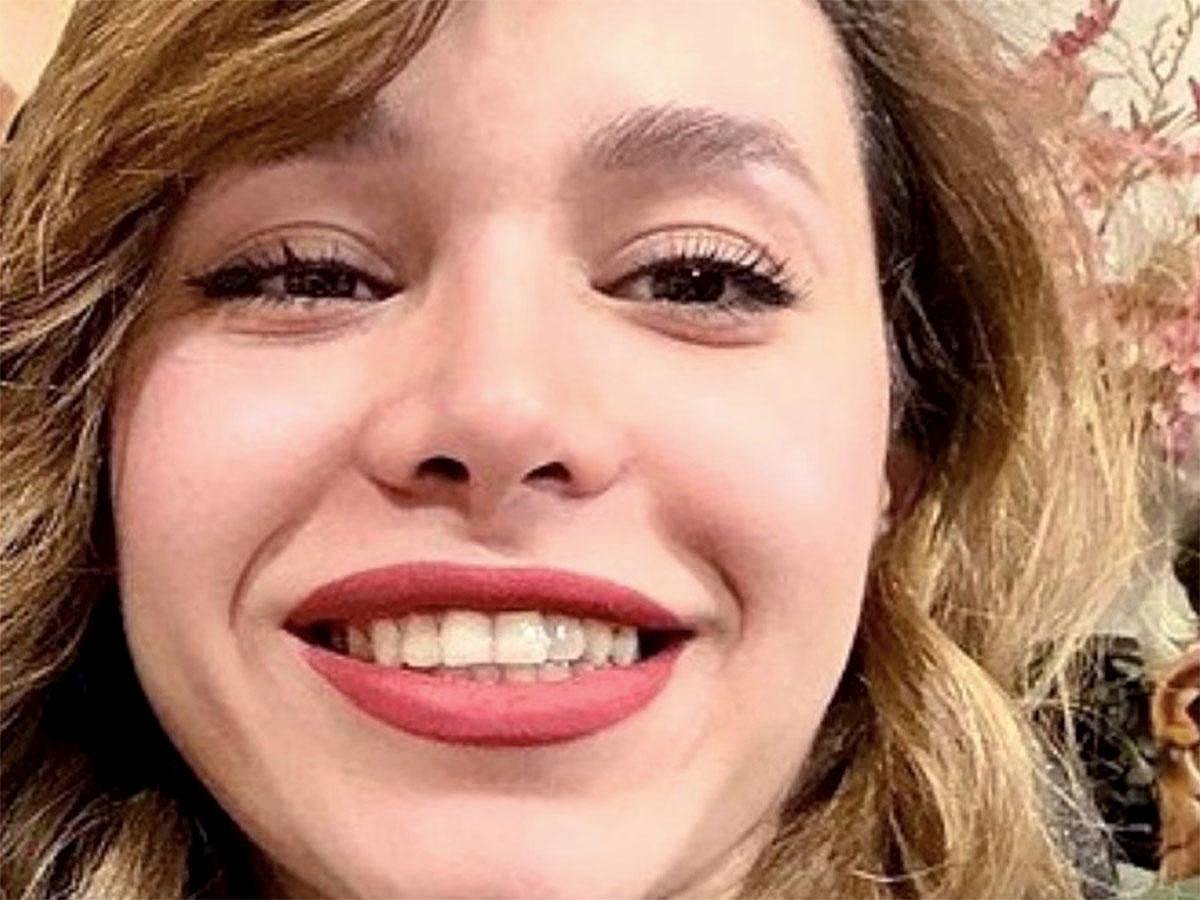
Dubai: A 23-year-old university student was shot in the head “from close range” during Iran’s anti-government protests, a human rights group said, as fresh details emerged of a violent crackdown that has left hundreds dead across the country.
Rubina Aminian, a textile and fashion design student at Tehran’s Shariati College, was killed on Thursday after leaving her university to join a protest in the capital, according to the Norway-based Iran Human Rights group.
“She was shot from behind at close range, with the bullet striking her head,” the group said, citing witnesses and sources close to Aminian’s family. The young Kurdish woman was originally from Marivan in western Iran, according to CNN.
Inside Iran protests: No space in morgues as witnesses describe crackdown: ‘A massacre is unfolding’
Aminian is among the few victims of the recent demonstrations whose identity has been publicly confirmed amid a sweeping communications blackout and heavy security presence.
Her family travelled from their home in Kermanshah to Tehran to search for her body, which was being held alongside what relatives described as “hundreds of young people,” many aged between 18 and 22.
Who was Rubina Aminian?
Age: 23
From: Marivan, western Iran
Studied: Textile and fashion design, Shariati College, Tehran
Dream: To move to Milan and work in fashion
Killed: Shot from behind, close range, during protest
Burial: Forced roadside burial under security pressure
“Almost all of them had been shot in the head and neck,” her uncle, Nezar Minouei, said.
After days of struggle, the family managed to retrieve Aminian’s body — only to find intelligence forces surrounding their home upon their return to Kermanshah. They were barred from holding a burial ceremony and were instead forced to bury her body by the roadside between Kermanshah and the nearby city of Kamyaran, according to Iran Human Rights.
“She was a strong, courageous girl,” Minouei told CNN. “She fought for things she knew were right — for freedom, for women’s rights. She was alive. She lived.”
Aminian had dreamed of moving to Milan to pursue a career in fashion. Her social media accounts showed her proudly wearing traditional Kurdish clothing, reflecting both her cultural identity and creative ambitions.
8 children were among those killed
Her killing comes amid what rights groups describe as one of the deadliest protest crackdowns in Iran in recent years.
According to a detailed tally by Human Rights Activists in Iran (HRA), more than 500 protesters have been killed in the past 15 days, including at least eight children. Multiple witnesses told rights organisations that security forces have fired live ammunition into crowds and targeted demonstrators with shots to the head and neck.
At a glance: Iran’s protest crackdown
Victims identified: At least a dozen named so far amid blackout
Confirmed deaths: More than 500 protesters, including 8 children
Tactics alleged: Live fire, head and neck shots, forced burials
Geographic spread: Protests in 180+ cities across all provinces
Legal risk: Protesters face charges of “moharebeh” — punishable by death
Despite a near-total internet blackout now stretching into its fourth day — described by experts as unprecedented in scope — details are slowly emerging of those killed in cities across the country.
In Rasht, in Iran’s northwestern Gilan province, former champion bodybuilder Mehdi Zatparvar was killed during protests on Friday, according to the Norway-based group Hengaw. The 39-year-old, a two-time World Classic Bodybuilding champion and respected coach, had written shortly before his death: “We only want our rights. A voice stifled for forty years must be shouted out.” His social media account has since been taken down.
In Kermanshah, 42-year-old hospital worker and father of three Ebrahim Yousifi was shot in the head during protests on Thursday, according to a relative. Communication with his family has since been cut off, and relatives abroad have been unable to confirm whether his body has been returned.
More victims are being identified
“The authorities’ response in Kurdish regions has been considerably more severe than in many other parts of the country,” the relative said.
More victims are being identified in the western city of Azna, where protests erupted on January 1. Shayan Asadollahi, a 28-year-old hairdresser and social media influencer, was killed by government forces, according to IranWire. Seventeen-year-old Reza Moradi Abdolvand, an auto-body repair apprentice, died days later after being shot and falling into a coma.
Ahmadreza Amani, 28, a law graduate and intern with the Yazd Bar Association, was also killed. His family was reportedly informed of the location of his burial only after authorities had already interred his body.
Rights groups say protesters now face lethal danger on multiple fronts — from live fire on the streets to charges of “moharebeh”, or “waging war against God”, a crime that carries the death penalty.
The protests, initially triggered by Iran’s deepening economic crisis, have spread to more than 180 cities across all provinces, evolving into a direct challenge to the Islamic Republic’s rule.
Iranian authorities have not released an official death toll. Requests for comment from the foreign ministry have gone unanswered, CNN said. Independent verification remains difficult due to the ongoing communications shutdown.
For Aminian’s family, however, the reality is painfully clear.
“As a family, we are heartbroken,” her uncle said. “But our heads are held high. Our girl was martyred on the road to freedom — for a better life she believed in.”

Sign up for the Daily Briefing
Get the latest news and updates straight to your inbox
Network Links
GN StoreDownload our app
© Al Nisr Publishing LLC 2026. All rights reserved.