Israeli elections: Who is Gadi Eisenkot? The general challenging Netanyahu — and facing a coalition test
From military chief to political contender: Eisenkot's rise against Netanyahu
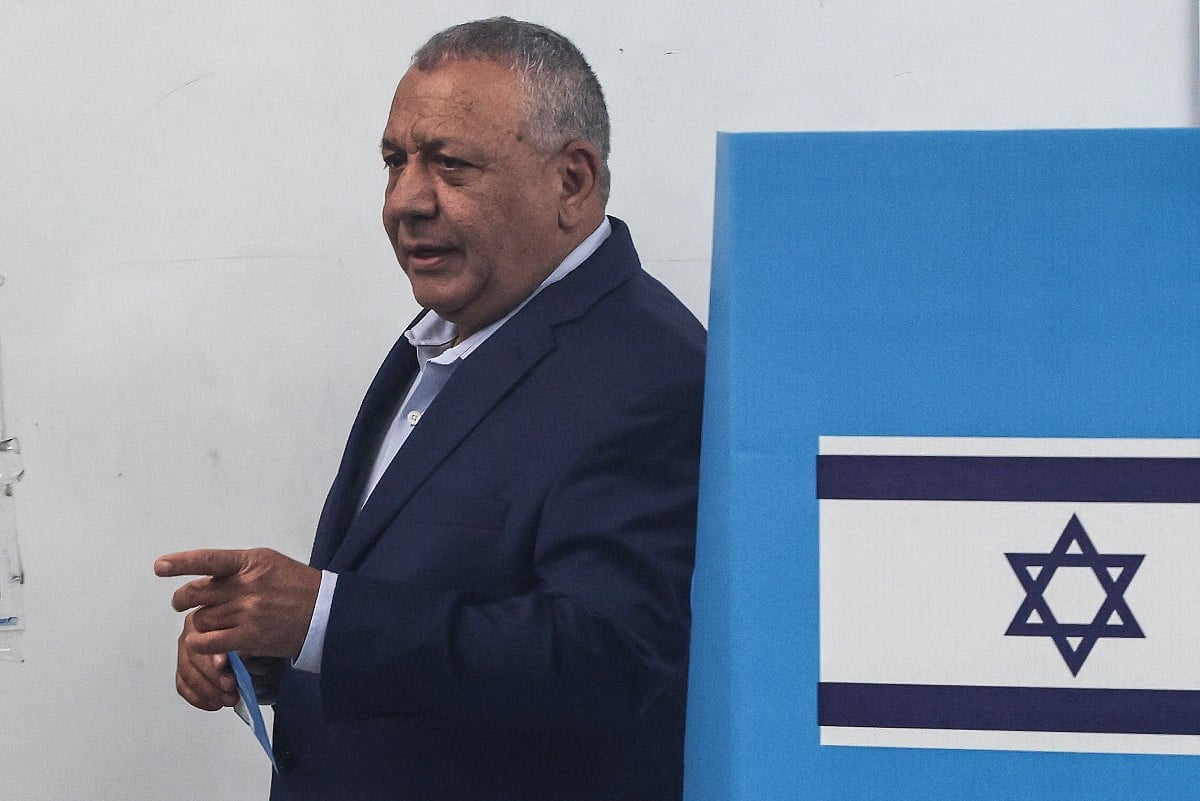
Gadi Eisenkot, the former Israeli military chief challenging Benjamin Netanyahu, has claimed "complete victory" early on Wednesday (Oct. 28) after exit polls suggested opposition parties held a narrow advantage.
But neither camp secured the parliamentary majority needed to govern as votes are still being counted in the pivotal elections held on Tuesday.
The projections put Eisenkot’s bloc around 52 seats and Netanyahu’s around 50 in the 120-seat Knesset, according to France24 and CNN.
Likud nevertheless appeared ahead of Eisenkot’s Yashar party individually, underscoring why a victory declaration is not equivalent to winning office.
Eisenkot, 66, is the son of Moroccan immigrants and grew up in Tiberias and Eilat.
The second of nine children, he built his reputation in the military rather than through decades of party politics.
He enlisted in the Golani Brigade in 1978 and rose through senior commands, becoming Israel’s 21st chief of staff in 2015.
He served until 2019, including under Netanyahu.
WHAT NUMBERS SHOW: Netanyahu's current coalition holds 68 seats in the Knesset, the Israeli parliament. Exit polls show, that same bloc is projected to win between 50 and 53 seats. If these numbers hold, this represents a decline of more than 20% in the parliamentary strength of the Netanyahu bloc. Nadav Eyal, a columnist for Yediot Ahronot daily claimed this to be a "substantial defeat".
His military record includes backing the investigation and prosecution of soldier Elor Azaria, who killed a wounded Palestinian attacker in Hebron in 2016, despite political pressure.
Eisenkot entered politics alongside Benny Gantz in 2022. After the Hamas-led October 7, 2023, attacks, they joined Netanyahu’s emergency government, then withdrew in June 2024, citing the absence of a clear postwar strategy.
He founded Yashar in 2025, presenting himself as a unifying alternative to Netanyahu.
Eisenkot is married to Hana and has five children: Guy, Rotem, Yael, Vered and Gal.
His youngest son, Gal, 25, was killed fighting in Gaza in December 2023. Two nephews also died in combat, as per CNN.
Those losses have shaped his public appeal, but his differences with Netanyahu do not amount to a wholesale rejection of Israel’s military policies.
Eisenkot broadly supported operations in Gaza, Lebanon and Iran.
CNN notes his association with the "Dahiyeh" doctrine, involving overwhelming force against civilian infrastructure to deter militant attacks.
His campaign emphasizes accountability, including a state inquiry into October 7 failures and military conscription or national service for all citizens.
He opposes formal West Bank annexation and settler violence but has also rejected a two-state solution. This may limit assumptions that his election would bring a fundamental policy reversal toward Palestinians.
Next comes the official count and coalition bargaining.
Israel’s president assigns government formation to the lawmaker considered most capable of assembling support, not automatically the largest party’s leader.
If the exit poll numbers are confirmed in an official count, Eisenkot may need cooperation across ideological divides, potentially including Arab parties.
However, opposition to such arrangements among prospective partners could leave Israel deadlocked despite his claimed victory.
Exit polls remain projections, not certified final election results.
Network Links
GN StoreDownload our app
© Al Nisr Publishing LLC 2026. All rights reserved.