Iran protests: Tehran acknowledges 2,000 deaths as US pressure escalates
Rights groups warn the toll is far higher as Tehran enforces a harsh crackdown
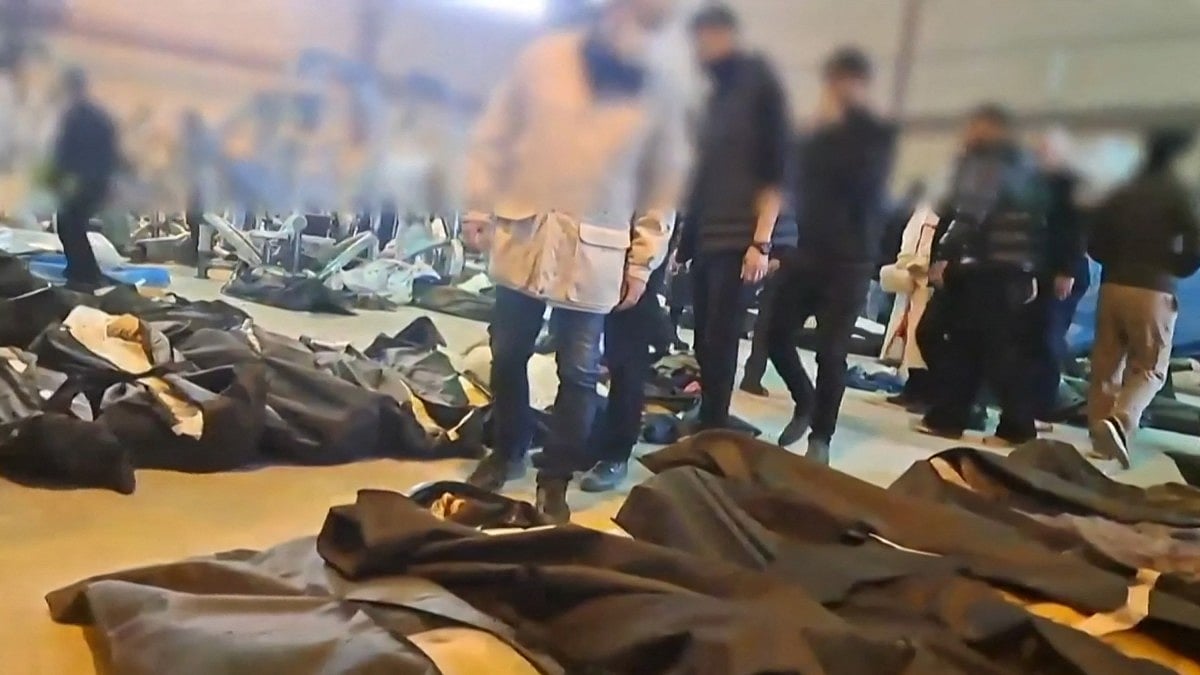
Dubai: Iranian authorities have for the first time acknowledged a sharply higher death toll from the nationwide protests gripping the country, with an Iranian official telling Reuters that about 2,000 people, including security personnel, have been killed during an intense crackdown over the past two weeks.
The official, who spoke on condition of anonymity, blamed what he described as “terrorists” for the deaths of both protesters and members of the security forces, but did not provide a breakdown of casualties.
The unrest, triggered by deepening economic hardship, has posed the most serious internal challenge to Iran’s clerical leadership in at least three years, unfolding against the backdrop of rising international pressure following Israeli and US strikes last year.
The acknowledgment comes as US President Donald Trump escalated pressure on Tehran, announcing 25 per cent import tariffs on goods from any country doing business with Iran, a major oil exporter. Trump has also said that military action remains among the options he is considering in response to the crackdown, declaring earlier this month that the United States was “locked and loaded.”
Iran protests: What we know
Official toll: About 2,000 killed, including security personnel (Reuters, citing Iranian official)
Rights groups: At least 648 deaths confirmed, including nine minors; total could exceed 6,000 (Iran Human Rights)
Trigger: Worsening economic conditions amid inflation and sanctions
Government stance: Protests acknowledged as economic grievances; crackdown justified as counter-terrorism
US action: 25% tariffs on countries doing business with Iran; military options cited
Regional concern: Qatar warns escalation would be “catastrophic”
UN response: Rights chief urges end to violence, restoration of internet, and accountability
Iran has not publicly responded to the tariff announcement. The move drew swift criticism from China, Iran’s largest oil customer. Besides China, Turkey, Iraq and India are among Iran’s key trading partners. Iran is already under heavy US sanctions, and the new tariffs could further strain an economy grappling with inflation and currency collapse.
Despite the scale of unrest, analysts say there are no visible signs of fractures within Iran’s security elite, a factor that has historically enabled the Islamic Republic to survive repeated waves of protests since the 1979 revolution.
Dual approach
Iran’s leadership has adopted a dual approach to the demonstrations, acknowledging public anger over economic conditions while enforcing a harsh security response.
“The government sees security forces and protesters as its children,” government spokesperson Fatemeh Mohajerani said on Tuesday, according to Reuters. “To the best of our abilities, we have tried and will try to listen to their voices, even if some have tried to hijack such protests."
Authorities have accused the United States and Israel of fomenting unrest, alongside what they describe as unidentified terrorist elements embedded within the protests.
International concern over the situation has intensified. Qatar warned that any escalation between Washington and Tehran would have catastrophic consequences for the region, following repeated US threats of possible strikes.
“We know that any escalation would have catastrophic results in the region and beyond, and therefore we want to avoid that as much as possible,” Qatar’s foreign ministry spokesman Majed Al Ansari said at a press conference in Doha, according to AFP.
In June, Iran targeted the US Al Udeid air base in Qatar in response to earlier American strikes on Iranian nuclear facilities, an incident Doha later leveraged to help broker a rapid de-escalation between the two sides.
Stark warnings
Meanwhile, European leaders have issued stark warnings. German Chancellor Friedrich Merz said he believed Iran’s government could be approaching its end, arguing that reliance on violence to retain power undermines legitimacy. Iranian Foreign Minister Abbas Araqchi dismissed Merz’s comments, accusing Berlin of double standards.
Human rights groups and the United Nations have expressed alarm over mounting casualties. The UN High Commissioner for Human Rights, Volker Turk, said he was “horrified” by reports of widespread violence against protesters and urged Iranian authorities to halt repression and restore internet access, which has been largely shut down for days.
“The killing of peaceful demonstrators must stop, and the labelling of protesters as ‘terrorists’ to justify violence against them is unacceptable,” Turk said in a statement cited by AFP.
Rights groups say the true death toll may be far higher than official figures. The Norway-based NGO Iran Human Rights (IHR) said it had confirmed 648 deaths, including nine minors, but warned that the actual number could exceed 6,000, citing multiple estimates. Hospitals, the group said, are reportedly overwhelmed, with casualties including children.
Washington has said a channel for diplomacy remains open, with Qatar confirming it is engaged in talks with regional partners to avert further escalation. However, Iran’s parliament speaker Mohammad Bagher Ghalibaf warned that any US military action would prompt retaliation, calling American forces and shipping “legitimate targets.”
As protests continue and information trickles out despite internet blackouts, Iran’s leadership faces a volatile mix of domestic anger and external pressure — with no clear end in sight.

Sign up for the Daily Briefing
Get the latest news and updates straight to your inbox
Network Links
GN StoreDownload our app
© Al Nisr Publishing LLC 2026. All rights reserved.