President Dwight D. Eisenhower and Shah Mohammad Reza Pahlavi of Iran pose at the Marble Palace in Tehran
From allies to enemies: 10 key turning points in US–Iran relations since 1953
How decades of coups, revolutions and nuclear tensions shaped the rivalry
Last updated:
3 MIN READ
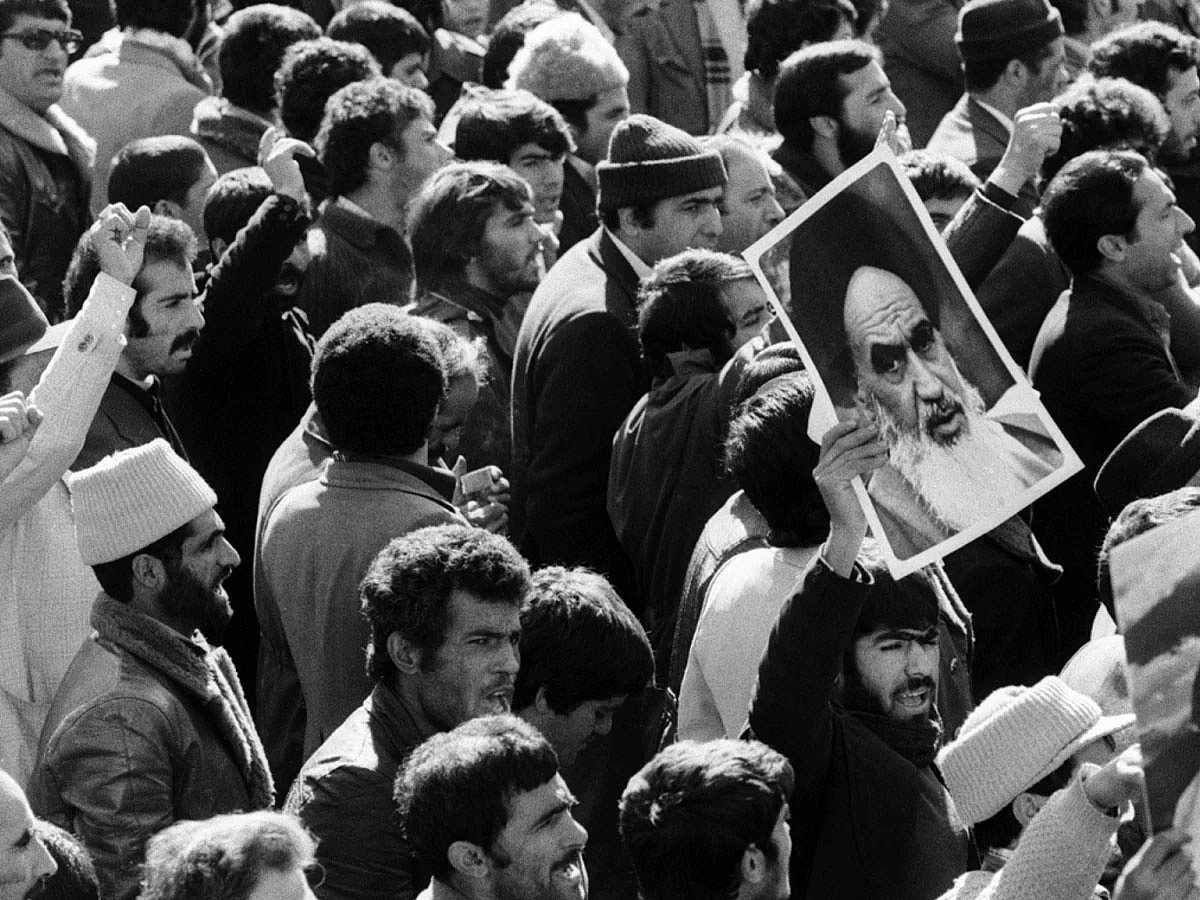
Onetime allies, the United States and Iran have seen tensions escalate repeatedly in the four decades since the Islamic Revolution.
Source: Council on Foreign Relations
Dubai: Relations between Washington and Tehran have swung dramatically over the past seven decades, shaped by coups, revolutions, sanctions, nuclear diplomacy and military confrontations.
Successive US presidents — from Eisenhower and Nixon to Obama and Trump — have pursued sharply different strategies toward Iran, turning a once-close partnership into one of the world’s most enduring rivalries.
Here are the turning points that shaped one of the world’s most volatile rivalries:
1953 — CIA-backed coup in Iran: US. and British intelligence agencies help Iranian military officers overthrow Prime Minister Mohammad Mossadeq after he nationalizes the Anglo-Persian Oil Company. The coup restores Shah Mohammad Reza Pahlavi, whose monarchy relies heavily on US support until the revolution of 1979.
1957 — US launches Iran’s nuclear cooperation: Washington and Tehran sign an agreement on civilian nuclear cooperation under President Dwight Eisenhower’s Atoms for Peace programme, providing Iran with nuclear technology and research support.
1960 — Birth of OPEC: Iran joins Iraq, Kuwait, Saudi Arabia and Venezuela in forming the Organization of the Petroleum Exporting Countries to challenge Western dominance over global oil supplies.
President Richard Nixon travels to Iran to ask the shah for help protecting US security interests in the Middle East, including by opposing a Soviet-allied Iraq. In return, Nixon promises that Iran can buy any nonnuclear weapons system it wants. Oil prices skyrocket amid the 1973 Arab-Israeli War and the subsequent Arab oil embargo against the United States, allowing the shah to purchase a larger supply of high-tech weaponry than anticipated, which unsettles US. officials.
1979 — Islamic Revolution: Mass protests topple the US-backed shah. Ayatollah Ruhollah Khomeini returns from exile and establishes an Islamic republic that turns Iran from a Western ally into a fierce critic of US influence.
1979–1981 — US embassy hostage crisis: Iranian students seize the US embassy in Tehran and hold 52 Americans hostage for 444 days, prompting Washington to cut diplomatic ties and impose sweeping sanctions.
After an Iranian mine nearly sinks an American frigate in the Strait of Hormuz, the US Navy launches a retaliatory campaign called Operation Praying Mantis. American forces destroy two Iranian oil platforms and sink a frigate. In July, the U.S. Navy shoots down an Iranian passenger jet after mistaking it for a fighter jet, killing all 290 people on board.
1980–1988 — Iran-Iraq War: Iraq invades Iran in a brutal eight-year conflict that kills more than a million people. The United States backs Iraq with economic aid, training and technology.
1983 — Beirut barracks bombing: A suicide attack on US and French military barracks in Lebanon kills 241 American service members. Washington later designates Iran a state sponsor of terrorism.
2015 Officials from China, France, Germany, Iran, Russia, the United Kingdom, the United States, and the European Union gather after finalizing the Iran nuclear agreement.
2015 — Nuclear deal (JCPOA): Iran and world powers sign a landmark agreement limiting Tehran’s nuclear programme in exchange for sanctions relief.
2018 — US exits nuclear deal: President Donald Trump withdraws the United States from the JCPOA and launches a “maximum pressure” sanctions campaign against Iran.
This handout satellite image courtesy of Vantor taken and released on March 1, 2026 shows destroyed buildings at the compound of Iran's supreme leader Ali Khamenei in Tehran.
2026 — War erupts between US, Israel and Iran: After failed nuclear talks and escalating tensions, the United States and Israel launch strikes on Iran’s nuclear sites and military targets, triggering a wider regional conflict.

A Senior Associate Editor with more than 30 years in the media, Stephen N.R. curates, edits and publishes impactful stories for Gulf News — both in print and online — focusing on Middle East politics, student issues and explainers on global topics. Stephen has spent most of his career in journalism, working behind the scenes — shaping headlines, editing copy and putting together newspaper pages with precision. For the past many years, he has brought that same dedication to the Gulf News digital team, where he curates stories, crafts explainers and helps keep both the web and print editions sharp and engaging.
Sign up for the Daily Briefing
Get the latest news and updates straight to your inbox
Network Links
GN StoreAbout Gulf NewsTerms & ConditionsReach by GNSitemapContact usPrivacy PolicyGN FocusHave your sayWork with usAdvertise with usGulf News epaperPrinting Services
Download our app
© Al Nisr Publishing LLC 2026. All rights reserved.