Dubai: Cold weather is set to ease gradually across the Arab Gulf region and wider Arabian Peninsula as the final phase of winter, traditionally known as the “Scorpions season”, begins on February 6 and continues until March 18, according to an Emirati astronomy expert.
Ibrahim Al Jarwan, Chairman of the Emirates Astronomical Society and a member of the Arab Union for Astronomy and Space Sciences, said the period marks a seasonal transition from winter chill towards more moderate and then warmer conditions.
He said the season is typically characterised by more settled temperatures, frequent thunderstorm activity, and variable winds, describing it as a transitional stage in which conditions shift from cold to mild and then towards early heat.
Al Jarwan said the 40-day period known in traditional Gulf seasonal reckoning as the “Scorpions Forty” runs from February 6 to March 18. In star-based seasonal tracking, the Scorpions season begins with the dawn rising of the star known as Saad Al Thabih above the eastern horizon from February 10, Emarat Al Youm reported.
The name is linked to the Scorpius constellation appearing in the south-eastern dawn sky during this period. Folklore also associates the season with alternating cold and warm spells, and with the emergence of young scorpions, from which the name is derived.
According to traditional weather patterns, the period is known for widespread rainfall, often accompanied by thunder, and active, changeable winds.
The season is widely regarded in Arab heritage as a positive turning point in the year. It is associated with improving pasture, blooming vegetation, increased agricultural activity and higher livestock productivity, alongside the gradual moderation of temperatures.
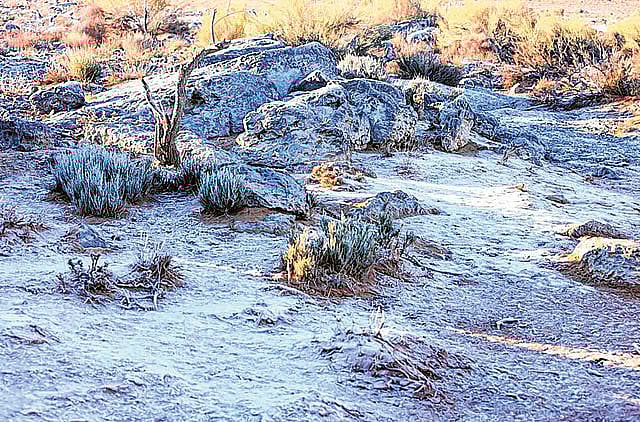
Al Jarwan said the period includes three-star phases, each lasting about 13 days. The first, Saad Al Thabih, starting February 10, often retains core winter features, including cold spells and expected rain, with frost still possible in northern parts of the Arabian Peninsula, sometimes referred to as February frost.
The second phase, Saad Bal‘a, beginning February 23, typically brings milder daytime conditions while nights remain cold, with continued chances of rainfall. Its middle days are traditionally seen as a dividing line between the fading cold and approaching warmth and include what is known in folklore as the “old woman’s cold”, referring to late-season chill.
The final phase of the 40-day period known as Saad Al Saud, which marks the winter-to-spring transition, starting March 8, is usually marked by warmer daytime weather and more moderate nights. Day and night lengths approach equality before daylight hours begin to extend further. The period ends around March 20, when more active spring weather disturbances typically begin.
Network Links
GN StoreDownload our app
© Al Nisr Publishing LLC 2026. All rights reserved.