The Middle East conflict is putting renewed pressure on two of the world’s most important shipping routes, while fresh fighting in Yemen and attacks on Saudi Arabia are raising concerns that the war could spread further.
For UAE residents, the most immediate things to watch are the Strait of Hormuz, flight disruption and rising energy and shipping costs.
Get updated faster and for FREE: Download the Gulf News app now - simply click here.
Here are five key developments from the past 24 hours.
1. Shipping through Hormuz has slowed dramatically
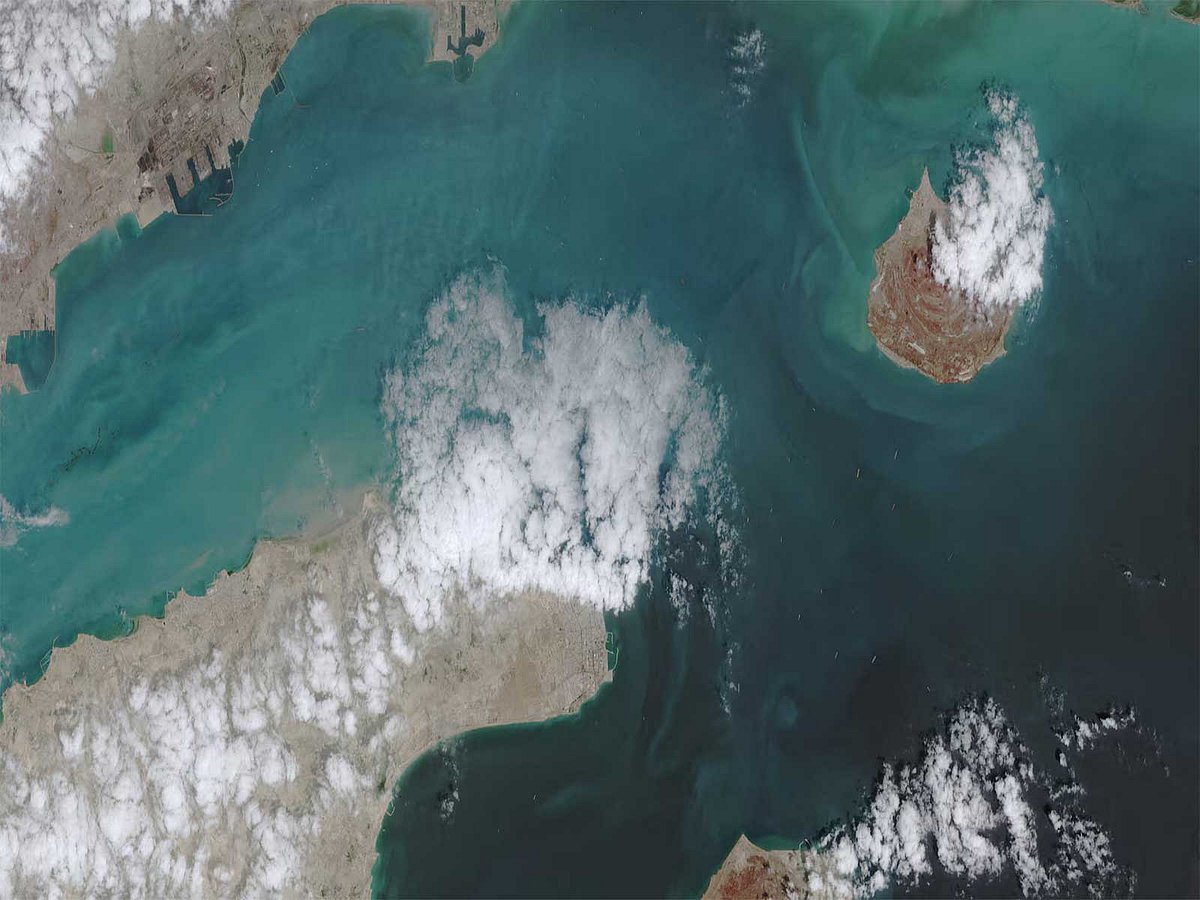
Traffic through the Strait of Hormuz — just off the UAE coast — has fallen sharply again. Reuters reported that only four commodity vessels passed through on Monday, compared with a pre-war average of around 125 daily transits.
There are some signs of tanker movements recovering, but oil flows remain far below normal.
Why this matters in the UAE: Hormuz is one of the world’s most important energy corridors. Continued disruption can push up shipping and insurance costs and put pressure on regional supply chains.
2. There has been another US-Iran confrontation in the strait
Tensions are not limited to commercial shipping. US officials told Axios that American forces destroyed two Iranian boats on Monday after Iran’s Revolutionary Guard attempted to seize a US Navy unmanned vessel in the Strait of Hormuz.
US Central Command confirmed that Iranian boats had attempted to take possession of the drone and said American forces intervened.
3. The conflict is putting Saudi Arabia under growing pressure
Iran-aligned Houthi forces have launched another series of missile and drone attacks on Saudi Arabia, with 13 civilians wounded, according to Reuters.
The latest attacks come as fighting intensifies in Yemen and the Houthis expand their presence around the Red Sea.
More than 100,000 people have now been displaced inside Yemen by the renewed fighting, according to the UN refugee agency.
This matters beyond Saudi Arabia and Yemen because instability is now affecting both Hormuz and the Bab Al Mandab — two vital routes for global trade and energy.
4. Oil is back above $100
The consequences are already showing up in energy markets.
Brent crude was trading at about $105.74 a barrel on Tuesday afternoon, after briefly reaching $108.43. Saudi Arabia’s important East-West Pipeline remains offline following attacks on energy infrastructure, adding to concerns about how much oil can reach global markets.
For UAE residents: Higher crude prices do not automatically mean an immediate increase at the petrol pump. But if high energy, freight and insurance costs persist, they can eventually feed into transport and business costs.
5. Flying from the UAE? Check before leaving home
UAE airports remain operational, but some passengers are facing delays and cancellations.
Emirates, Etihad, flydubai and Air Arabia continue to operate services, although there have been some cancellations and delays affecting some flights from Dubai and Abu Dhabi on Tuesday. Not every disruption is necessarily linked to the conflict.
The practical advice: Check your specific flight directly with your airline before travelling to the airport.
What should UAE residents take away from all this?
For now, there is no indication in the latest reporting that people in the UAE need to change their normal daily routines.
But the regional picture has become more unpredictable. The three things worth watching most closely are whether shipping through Hormuz recovers, whether the fighting involving Saudi Arabia and Yemen escalates, and whether diplomacy between Iran, the US and Gulf countries can regain momentum.
For UAE residents, those developments will help determine whether the war remains a worrying regional backdrop — or begins to have a more noticeable impact on travel, trade and everyday costs.
Network Links
GN StoreDownload our app
© Al Nisr Publishing LLC 2026. All rights reserved.