Saudi Arabia fines 10 firms for providing unlicensed recruitment services
Illegal operators face fines of up to SR250,000 for repeated violations, HR Ministry says
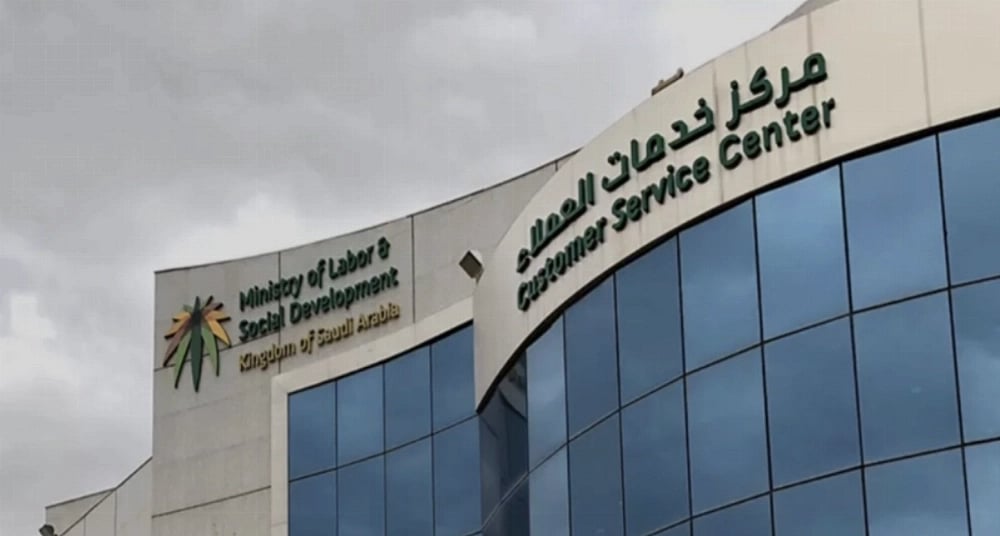
Dubai: Saudi Arabia’s Ministry of Human Resources and Social Development has fined 10 establishments for providing recruitment and labour services without a licence as authorities step up enforcement against illegal operators in the sector.
The violations were detected during inspection campaigns targeting unauthorised recruitment practices and aimed at protecting customers’ rights, the ministry said.
Get updated faster and for FREE: Download the Gulf News app now - simply click here.
The businesses included sole proprietorships, general service offices and operators providing services through websites and electronic applications. They were found to have offered recruitment or labour services directly or indirectly without the required licences.
The ministry said legal action had been taken and the prescribed penalties imposed on the establishments.
Providing recruitment or labour services without a licence carries a fine of SR200,000 for a first offence, rising to SR220,000 for a second violation and SR250,000 for a third.
Authorities monitor the sector through field inspections as well as electronic surveillance of advertisements and services offered through applications, digital platforms and social media. The ministry also investigates reports and checks whether service providers are licensed and operating within the scope of their permits.
The ministry urged customers to use authorised channels, including Musaned, Saudi Arabia’s unified recruitment platform for domestic workers.
The platform allows users to recruit domestic workers, transfer their services, review workers’ profiles and licensed recruitment providers and make payments through approved electronic channels.
The ministry said linking payments to documented contracts and applications was designed to improve transparency, safeguard contractual rights and reduce dealings with unauthorised intermediaries.
Network Links
GN StoreDownload our app
© Al Nisr Publishing LLC 2026. All rights reserved.