Philippines: Top court junks petition on impeachment case vs VP Sara Duterte, what it means & what's next?
SC trashes House 'motion for reconsideration' that sought to reverse its July 2025 ruling
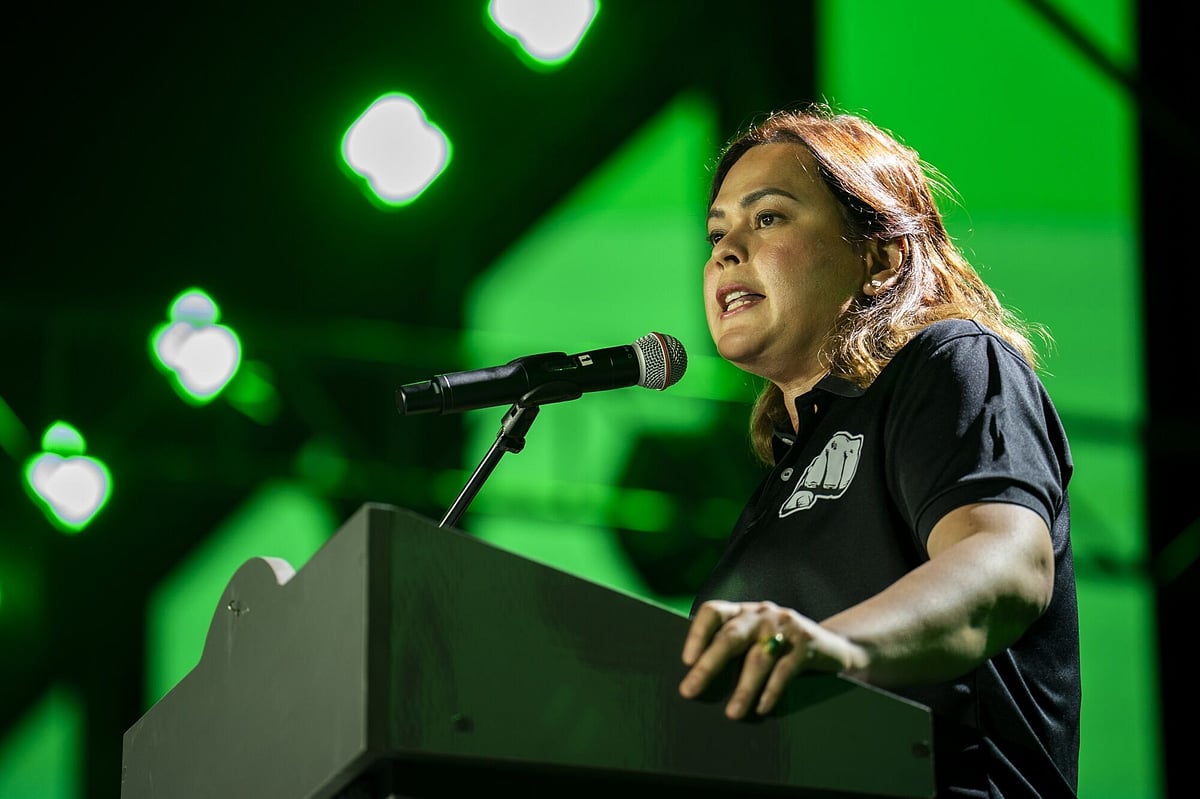
Manila: The Philippine Supreme Court unanimously – and with finality – dismissed the House of Representatives' motion for reconsideration of the chamber’s impeachment case against Vice President Sara Duterte.
This upholds their July 25, 2025 ruling that declared the articles of impeachment against the Vice President “unconstitutional”.
What happens next
The Supreme Court decision issued on January 29 dismissed the House's petition seeking to reverse the Court's July 25, 2025 ruling declaring the articles of impeachment against Vice President Sara Duterte unconstitutional.
The decision to deny the motion for reconsideration was unanimous and with finality, according to SC spokesperson Camille Ting on Thursday, Jan. 29.
“The resolution will be implemented immediately, and no further pleadings will be allowed, Ting said."
The official SC press briefer (January 29, 2026) as announced by spokesperson Camille Ting stated the Court did not introduce new or separate reasons in the January 2026 resolution for denying the motion itself.
Instead, it affirmed and reiterated the core grounds from the original 2025 ruling, effectively finding no basis to reverse or modify it.
Key reasons upheld by the Supreme Court (as clarified in the resolution and announced by SC spokesperson Atty. Camille Ting):
Violation of the one-year bar rule (Article XI, Section 3(5) of the 1987 Constitution):
This prohibits initiating impeachment proceedings against the same official more than once in a one-year period. The fourth impeachment complaint (transmitted to the Senate on February 5, 2025) was deemed barred because the first three complaints — filed under the first mode of initiation [Article XI, Section 3(2)] — were already considered "initiated."
The Court clarified that a complaint under this mode is initiated when:It is properly verified and endorsed, or
It is not placed in the Order of Business within 10 session days (or referred to the Committee on Justice after being placed in the Order within three session days).
Since the first three were not properly advanced within the required timelines, they triggered the one-year bar, rendering the fourth (and the subsequent impeachment) invalid.
Violation of due process (enshrined in the Bill of Rights):
The original July 2025 decision (penned by Senior Associate Justice Marvic Leonen) held that due process and fairness apply at all stages of impeachment proceedings.
The handling of the complaints (including the "freezing" or inaction on earlier ones before pushing the fourth) violated constitutional safeguards.
Additional points from the resolution:
The Senate never acquired jurisdiction over the impeachment proceedings due to these constitutional defects.
The decision is immediately executory (no further pleadings allowed), with digital service per relevant guidelines.
The SC's final denial closes the matter, barring any revival of that specific impeachment process.
The ruling, however, was procedural/constitutional in nature (focusing on how the House initiated and handled the complaints).
It does not cover the substantive merits of the allegations against VP Duterte (e.g., confidential funds misuse).
What happens next
A new impeachment complaint could potentially be filed after the one-year period lapsed (around February 2026), but that's separate from this case.
Sign up for the Daily Briefing
Get the latest news and updates straight to your inbox
Network Links
GN StoreDownload our app
© Al Nisr Publishing LLC 2026. All rights reserved.