No relief for Sara Duterte as Philippine Supreme Court dismisses impeachment petitions
Legal challenges are now moot after the House completed its role
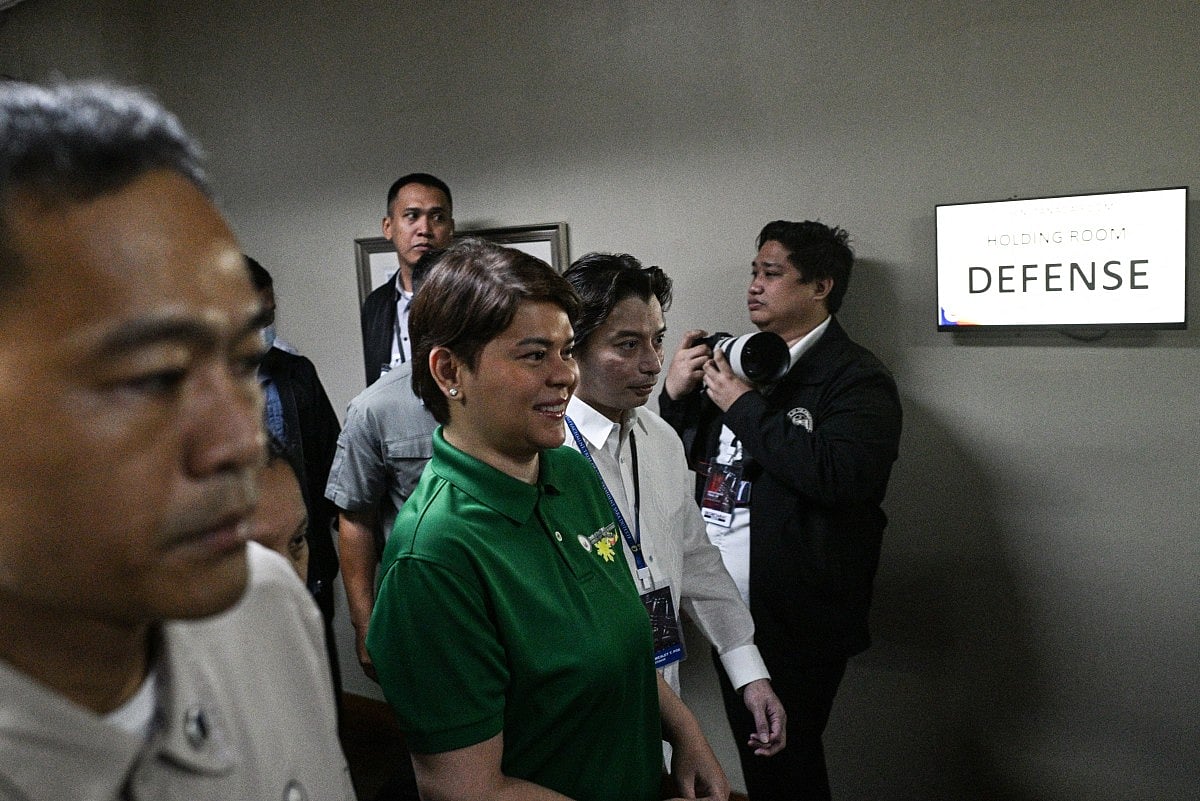
Dubai: Philippine Vice President Sara Duterte suffered a legal setback on August 5 after the Supreme Court (SC) dismissed petitions challenging the impeachment proceedings against her, ruling that the issues raised no longer required a decision because the case had already advanced to the Senate.
The SC has dismissed two consolidated petitions, one filed by Duterte in her capacity as Vice President and another by lawyer Israelito Torreon and other petitioners that questioned the actions of the House of Representatives and its Committee on Justice during the impeachment process.
In a press briefer, the court has noted that the petitions had become "moot, or no longer required resolution."
Get updated faster and for FREE: Download the Gulf News app now - simply click here.
Why the court dismissed the petitions
The SC has explained that the House of Representatives had already approved and transmitted the articles of impeachment to the Senate, completing its constitutional role in the process.
With that step already taken, the court has bared that the actions the petitioners wanted stopped had already been carried out.
"The House's transmittal of the articles of impeachment marked the end of the House's role in the impeachment process and the initiation of the impeachment case," wrote the court.
Challenge focused on House committee
The petitions have argued that the House Committee on Justice had exceeded its constitutional authority during its initial review of the impeachment complaints.
According to the petitioners, the committee should not have gathered evidence or compelled witnesses to appear before determining whether the complaints were sufficient in form, substance, and grounds.
They have also questioned the committee's findings that allowed the impeachment complaints to move forward.
However, the SC did not rule on the merits of those arguments because it has found that developments in the impeachment process had overtaken the legal challenges.
Senate now in charge
The court has mentioned that the impeachment proceedings have already been moved to the Senate, which has convened as an impeachment court and begun its proceedings.
"Any ruling on the validity of the actions taken by the House and its Committee on Justice would no longer affect the controversy," stated the court.
In other words, even if the court were to examine the House proceedings now, it would not change the current stage of the impeachment process.
No exception applied
The SC has acknowledged that it has the authority, in exceptional circumstances, to decide cases even if they have become moot.
But it has ruled that none of the recognised exceptions applied to the petitions filed by Duterte and the other petitioners.
As a result, both petitions have been dismissed.
What happens next
The ruling means there is no legal obstacle from these petitions to the ongoing impeachment process.
The case will continue before the Senate, where senators, sitting as an impeachment court, will hear the case and eventually decide whether Duterte should be acquitted or convicted under the impeachment proceedings.
Network Links
GN StoreDownload our app
© Al Nisr Publishing LLC 2026. All rights reserved.