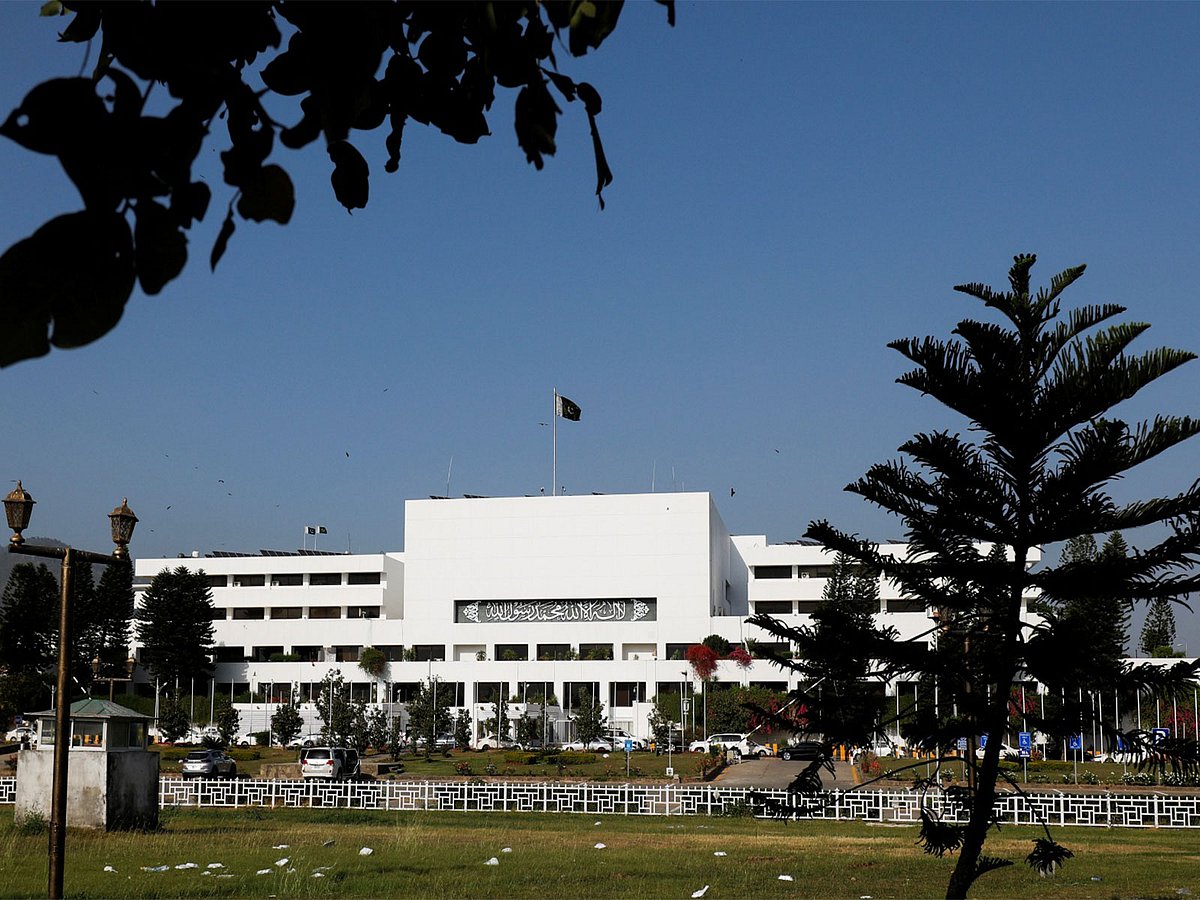
Dubai: Pakistan has emerged as a central diplomatic player in efforts to de-escalate the US-Iran conflict, relaying a proposal from Washington to Tehran while offering to host potential peace talks, according to officials and media reports.
A senior Iranian source told Reuters that Islamabad has already conveyed a US proposal to Tehran, marking one of the clearest signs yet of Pakistan’s growing role as a back-channel intermediary. While details of the proposal remain undisclosed, it is believed to be part of a broader framework aimed at ending the war that erupted on February 28.
Venues for talks
The source added that both Pakistan and Turkiye are being considered as possible venues for talks between the two sides, though no final decision has been made.
Pakistan’s mediation push comes alongside a formal offer by Prime Minister Shehbaz Sharif, who said Islamabad was “ready and honoured” to host negotiations, subject to agreement from both Washington and Tehran.
The proposal has drawn international attention, with Malaysia and other countries welcoming Pakistan’s initiative as a timely effort to create space for diplomacy.
Key stakeholders
Over recent days, Pakistani civil and military leadership has intensified engagement with key stakeholders. Reports suggest senior officials have facilitated back-channel communications between Tehran and senior US figures, while Chief of Army Staff Field Marshal Asim Munir held a call with US President Donald Trump, confirmed by the White House.
Against this backdrop, Islamabad’s diplomatic push, combining message relays, back-channel engagement, and an offer to host talks, signals its attempt to position itself as a credible bridge between Washington and Tehran at a moment of deep uncertainty. Pakistan relevance
According to CNN, a proposal is also under consideration for a possible meeting in Pakistan later this week, potentially attended by US Vice President JD Vance, underscoring Islamabad’s growing relevance in the crisis.
Diplomatic efforts appear to have gained urgency after a shift in Washington’s tone. Earlier threats of strikes on Iranian infrastructure have given way to cautious openness to talks, amid warnings from Gulf allies about the risks of further escalation.
However, Iran has publicly denied that any negotiations are underway. Foreign ministry spokesperson Esmail Baghaei dismissed claims of talks with the United States, citing past “betrayals of diplomacy,” while Iran’s ambassador to Pakistan also said no direct or indirect negotiations had taken place so far.
Despite the denials, Iranian officials acknowledged that “friendly countries” are working to facilitate dialogue, an apparent reference to Pakistan and others engaged in mediation.
The stakes remain high. The war has killed more than 2,000 people, disrupted global energy markets, and heightened fears of a wider regional conflict.
Network Links
GN StoreDownload our app
© Al Nisr Publishing LLC 2026. All rights reserved.