Syringe reuse at Pakistan hospital infects 331 children with HIV, probe reveals
Hospital denies wrongdoing despite video evidence of repeated protocol violations
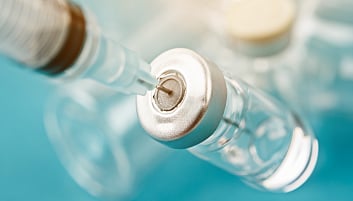
Dubai: An undercover investigation by BBC News has exposed serious infection control failures at a government hospital in Pakistan, where staff were filmed reusing syringes on children—practices experts say may have fuelled a surge in HIV infections.
The footage, recorded over 32 hours inside THQ Hospital Taunsa in Punjab, captured repeated violations of basic hygiene protocols.
Staff were seen using the same syringes across multiple patients, including drawing medicine from multi-dose vials that were then administered to other children — raising the risk of widespread contamination.
At the heart of the crisis is the story of eight-year-old Mohammed Amin, who died shortly after testing positive for HIV. His mother described his final days as marked by intense fever and pain.
Soon after his diagnosis, his sister Asma also tested positive. Their family believes both children contracted the virus through contaminated injections during routine treatment at the hospital.
The outbreak first came to light in late 2024 when local physician Dr Gul Qaisrani noticed an unusual rise in HIV cases among children visiting his clinic.
“Almost all” of the 65 to 70 children he diagnosed had previously been treated at THQ Taunsa, he said.
At a glance
331 children infected: HIV cases recorded in Taunsa (Nov 2024–Oct 2025)
Unsafe injections flagged: “Contaminated needle” cited in over half the cases
Low maternal transmission: Only 4 of 97 mothers tested HIV-positive
BBC footage evidence: Syringe reuse, poor sanitation, no gloves
Outbreak trigger: First flagged by local doctor in late 2024
Data compiled by BBC Eye from provincial screening programmes, private clinics and leaked police records identified at least 331 children in Taunsa who tested positive for HIV between November 2024 and October 2025.
In more than half the cases, “contaminated needle” was listed as the likely mode of transmission.
Systemic lapses
Experts say the practices seen in the footage could easily spread infections. “Even if a new needle is attached, the syringe body can carry the virus,” said Dr Altaf Ahmed, a consultant microbiologist. In one instance, a nurse was filmed retrieving a used syringe containing leftover liquid and handing it to a colleague for reuse — an act he described as violating “every principle” of safe injection.
The footage also showed staff administering injections without gloves, leaving used needles on countertops, and failing to properly dispose of medical waste. Parents reported witnessing syringes being reused across multiple patients, further underscoring concerns over systemic lapses.
Crucially, data analysis suggests that most infections were not due to mother-to-child transmission. Of 97 families tested, only four mothers were HIV-positive. Mohammed and Asma’s mother tested negative, reinforcing suspicions that unsafe medical practices played a central role.
Despite the evidence, hospital authorities have denied wrongdoing. Medical superintendent Dr Qasim Buzdar questioned the authenticity of the footage, suggesting it may have been staged or recorded before his tenure. He insisted infection control remains a top priority.
The Punjab government had intervened earlier in March 2025, when reported cases crossed 100, suspending the hospital’s then head. However, BBC findings indicate unsafe practices continued months later, raising serious questions about oversight and accountability.
The investigation has once again highlighted the dangers of poor infection control in healthcare settings, with experts warning that without urgent systemic reforms, such outbreaks could recur.

Sign up for the Daily Briefing
Get the latest news and updates straight to your inbox
Network Links
GN StoreDownload our app
© Al Nisr Publishing LLC 2026. All rights reserved.