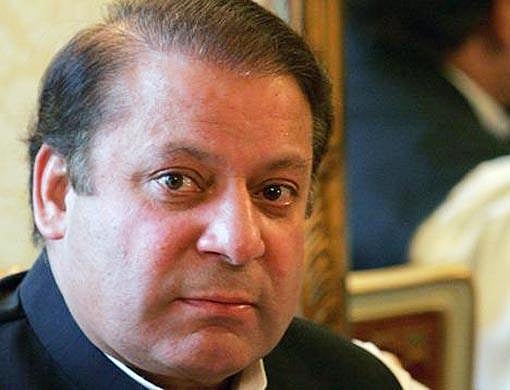
Karachi: Opposition leader Nawaz Sharif yesterday called for a change from a system under which the country's defence budget has never been audited to one where it would have to pass parliamentary scrutiny and approval.
Sharif, who heads the Pakistan Muslim League, was addressing a press conference in Karachi, where he had travelled from his home city of Lahore to strengthen a campaign against the Pakistan Peoples Party government. "The budget of army, the budget of [intelligence] agencies should be brought into the parliament," he said.
Defence spending accounts for a big chunk of the national budget amid efforts to keep up with arch rival India with which there have been four wars since independence.
For the current fiscal ending on June 2012, a sum of about 500 billion rupees (Dh20.26 billion) was allocated for defence needs — 20 per cent of the total national budget of 2.767 billion rupees. The defence budget was raised by 12 per cent over the previous year.
Civil society and now political parties criticise such huge allocation of national resources for military use because it leaves very little for social development.
Calls for greater scrutiny of defence spending have risen since the Abbottabad episode that embarrassed the military establishment after it was caught by surprise on Osama Bin Laden's presence in Pakistan.
"The parliament should approve the budget of army and later the budget should be audited," Sharif said.
Sharif further said that clipping the military budget and power was part of the ‘Charter of Democracy' which he jointly signed with slain leader Benazir Bhutto, and had been adopted by the government to implement.
"These steps were mandatory to take up and part of the charter but all was ruined by keeping it aside," Sharif said, condemning the government.
Independent analysts said the demand should be supported by all political and democratic forces.
"All the democratic and civilian forces should support the Sharif stance," said Mutahir Shaikh, professor of international relations at Karachi University.
"Such audit and check would create the much needed civilian-military balance in the country," Shaikh observed.
Civilian and elected governments have been exposed to military coups in the past as the country has witnessed four military rulers since independence.
Sign up for the Daily Briefing
Get the latest news and updates straight to your inbox
Network Links
GN StoreDownload our app
© Al Nisr Publishing LLC 2026. All rights reserved.