Going digital: Pakistan approves full transition to e-passports
Government also plans home delivery, cashless payments and Pak ID integration
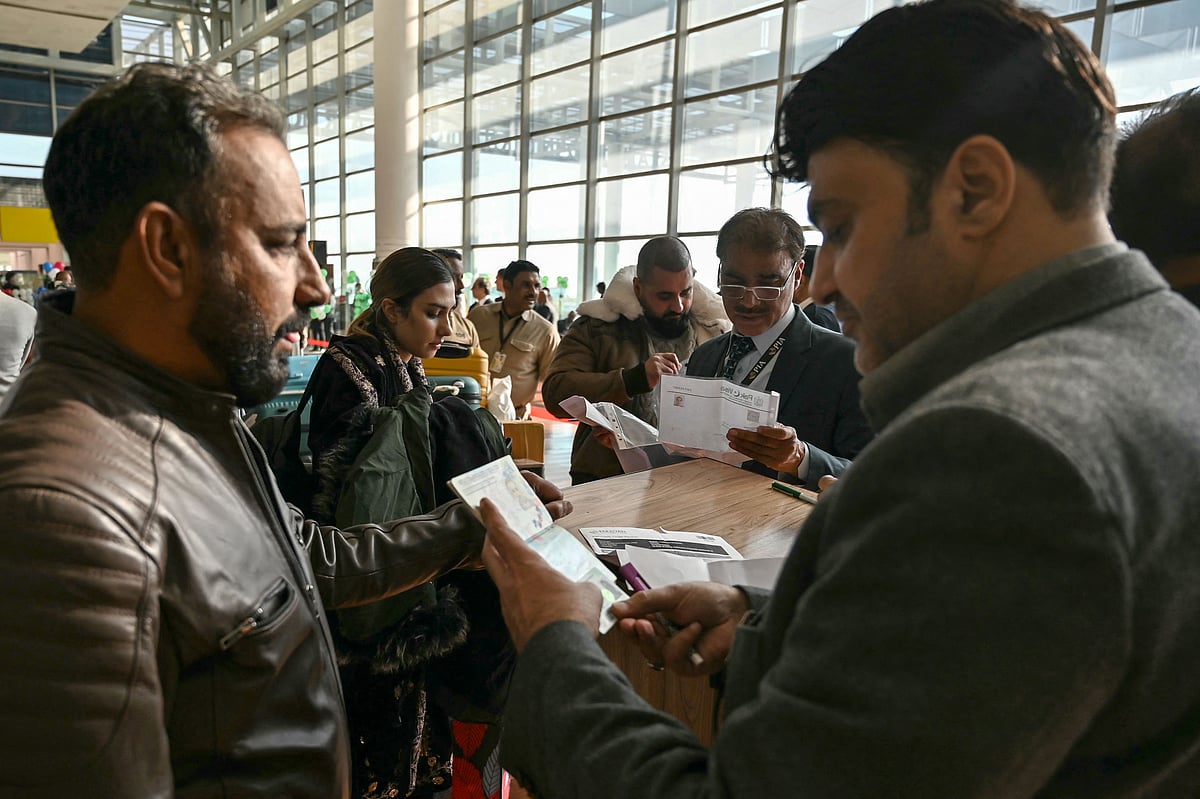
Dubai: Pakistan has decided to phase out machine-readable passports and transition fully to e-passports, a move aimed at enhancing security, reducing fraud and improving international travel, according to reports by Dawn and Pakistan Today.
Interior Minister Mohsin Naqvi announced the decision while chairing a special meeting at the Passport and Immigration Headquarters on Friday. He said the complete transition to e-passports would help eliminate passport-related fraud and forgery.
The meeting approved the move in principle, although no timeline was announced for the complete withdrawal of machine-readable passports. Officials said Pakistan’s e-passports comply with International Civil Aviation Organization (ICAO) standards, enabling holders to use automated e-gates at airports worldwide and reducing immigration processing times.
At a glance: Pakistan's e-passport
Contains an embedded electronic chip
Stores biometric and personal data securely
Includes facial image, biographical details and digital signature
Uses contactless NFC (Near Field Communication) technology
Complies with International Civil Aviation Organisation (ICAO) standards
Harder to forge or tamper with than traditional passports
Can be read electronically by immigration authorities
Eligible for e-gate facilities at many international airports
Helps reduce immigration processing times and queues
Part of Pakistan's broader push to digitise public services
Director General Passports and Immigration Muhammad Ali Randhawa briefed the minister on ongoing reforms and future plans. The meeting also approved a revised fee structure for premium passport services under which applicants will pay charges based on the actual cost of the service provided.
Cashless payment system
Authorities said all passport offices will move to a cashless payment system from July 1, ending manual cash handling through banks. Initial work has also been completed on a home-delivery service that will allow citizens in Pakistan and overseas to receive passports at their doorstep.
What changes for travellers?
Machine-readable passports will eventually be phased out
New passports will be issued in e-passport format
E-passport holders will be able to use e-gates where available
Faster verification at immigration counters
Improved security against identity fraud and document forgery
Future passport applications to be integrated with the Pak ID platform
Home delivery of passports planned for citizens in Pakistan and abroad
Passport offices to adopt cashless payments from July 1
Online passport applications will be shifted to the Pak ID platform to create a more streamlined digital process and reduce processing times. The meeting also reviewed progress on a proposed Business Passport policy, with Naqvi directing officials to finalise it at the earliest in consultation with the Federal Board of Revenue.
The measures form part of a broader government effort to digitise public services and provide faster, more secure and more accessible passport facilities to citizens.
What is an e-passport?
An e-passport is a highly secure travel document that contains an electronic chip embedded in one of its pages.
The contactless chip stores biometric and personal information, including the holder’s facial details, biographical data, a unique identification number and a digital signature. The information can be read wirelessly by immigration authorities and compatible devices using Near Field Communication (NFC) technology.
The technology helps verify a traveller’s identity more quickly, strengthens protection against document forgery and supports the use of automated border-control systems and airport e-gates.
Pakistan’s e-passports are designed to meet ICAO standards, making them compatible with international immigration systems used by countries around the world.

Sign up for the Daily Briefing
Get the latest news and updates straight to your inbox
Network Links
GN StoreDownload our app
© Al Nisr Publishing LLC 2026. All rights reserved.