'Will not be spared': Indian PM Modi vows fast-track courts for paper leaks as Delhi protests escalate
Paper leak scandal sparks fast-track courts plan and deepens political tensions
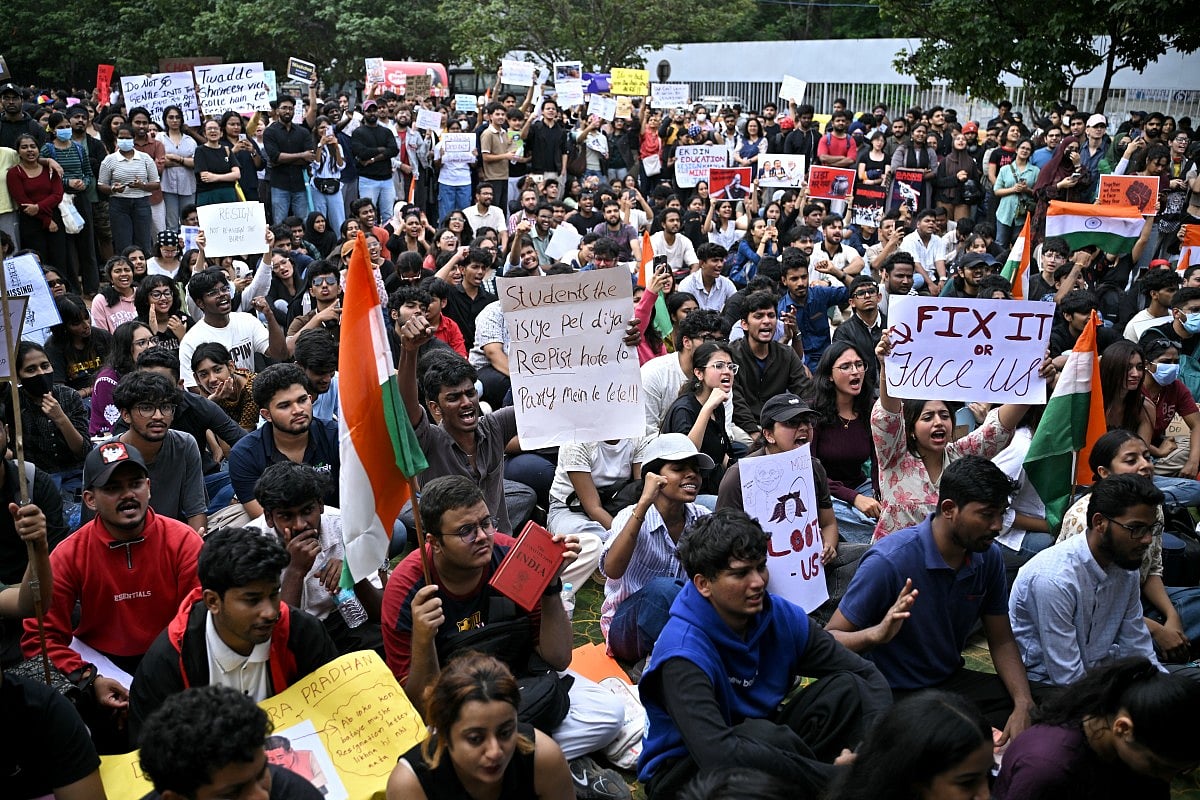
Indian Prime Minister Narendra Modi on Thursday announced the setting up of fast-track courts to ensure swift and stringent punishment for those involved in examination paper leaks, declaring that anyone who harms the future of India's youth "will not be spared."
The announcement marked his first direct comments tied to major protests challenging his government, coming a day after thousands of demonstrators rallied in New Delhi, triggering fresh clashes with police.
"Nothing is more important than the welfare and future of our youth," the Indian PM wrote in a post on X, saying he had directed the concerned authorities and officials to take all necessary steps in this regard.
"We have decided to set up fast-track courts to ensure swift and stringent punishment for those involved in paper leaks," Modi wrote, adding that the decision continues the government's series of steps for safeguarding the interests of students. "Those who try to harm the future of our youth will not be spared."
The protesters, mostly young students, have been demanding the resignation of the education minister over exam paper leaks since last month. The demonstrations snowballed on Monday after police fired tear gas and baton-charged tens of thousands of marchers heading to parliament on the opening day of the monsoon session. As tensions escalated, protesters hurled stones in what became the largest street rally in the capital in about five years. At least 178 people, including security personnel, were injured, according to police.
The rallies have been led by the social media-driven Cockroach Janta Party (CJP), a movement that emerged in May as a satirical response to Chief Justice Surya Kant reportedly likening young people to "cockroaches" and "parasites" during a court hearing. With millions of followers online, the CJP has since broadened its agenda to include unemployment, opportunities for young people and what it describes as Modi's increasingly authoritarian style of governance.
The protests have emerged as one of the biggest challenges to the Hindu-nationalist leader since his re-election for a third term in 2024. A series of exam irregularities have undermined trust in India's testing system, including the leak of a medical entrance question paper that forced more than two million candidates to retake the test. A separate dispute over the online marking of examinations taken by nearly two million high school students has further fuelled public anger.
Network Links
GN StoreDownload our app
© Al Nisr Publishing LLC 2026. All rights reserved.