UP’s 6-lane, 120kmph Ganga Expressway set to redraw India’s growth map
Rs36,230 crore corridor to halve travel time, drive industry push
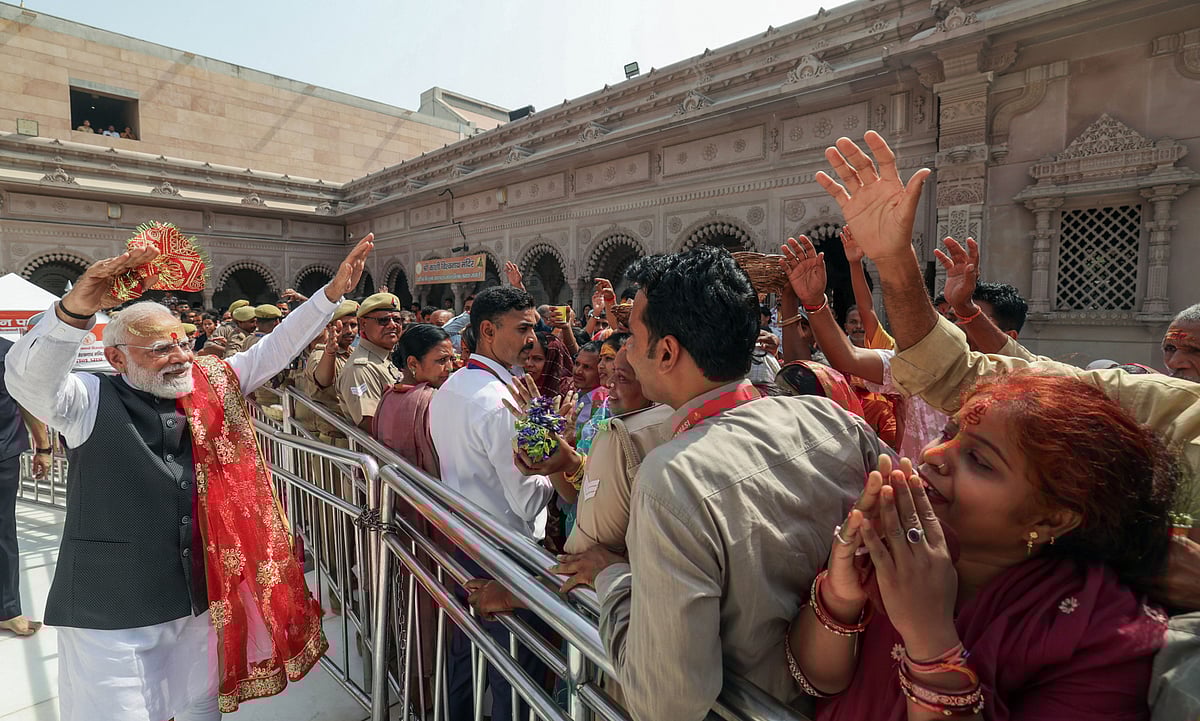
Dubai: Prime Minister Narendra Modi on Wednesday inaugurated the 594-km Ganga Expressway, calling it a “new lifeline” for Uttar Pradesh.
Designed for speeds of up to 120 kmph, the six-lane (expandable to eight) access-controlled corridor will cut travel time between Meerut and Prayagraj from 10–12 hours to about six hours, dramatically improving long-distance road travel across the state, NDTV and IANS reported.
Built at a cost of Rs36,230 crore ($4.4 billion), the expressway runs across 12 districts, linking western, central and eastern Uttar Pradesh through a single high-speed spine.
At a glance
Top speed: 120 kmph
Length: 594 km
Lanes: 6 (expandable to 8)
Cost: Rs 36,230 crore
Districts covered: 12
Travel time: 10–12 hrs → ~6 hrs
Airstrip: 3.5 km (fighter jet capable)
Investment pipeline: ~Rs 47,000 crore
Speed, scale — and a bigger ambition
But this is not just about faster travel. The Ganga Expressway is being positioned as a development corridor, integrating logistics hubs, manufacturing zones and agricultural supply chains.
The idea is simple: Faster roads bring faster goods movement—and that attracts investment.
Industrial corridor taking shape
The state has already lined up industrial and logistics clusters along the route, with nearly 1,000 investment proposals worth around Rs47,000 crore in the pipeline, according to NDTV.
The Adani Group has built three of the four sections of the expressway, covering about 464 km, NDTV said.
Experts say the corridor could lower freight costs, improve delivery times and strengthen supply chains — especially for sectors like e-commerce, FMCG and agriculture.
Strategic edge built in
A standout feature is a 3.5-km emergency airstrip in Shahjahanpur that can handle fighter aircraft landings, giving the project added strategic and defence value.
Bridging the east–west gap
The expressway links industrialised western Uttar Pradesh with less-developed eastern regions, potentially narrowing long-standing economic gaps, NDTV reported.
It also connects into a wider expressway network, strengthening access to key economic hubs and upcoming infrastructure like the Noida International Airport.
Why it matters
Unlike traditional highways, the Ganga Expressway combines speed (120 kmph), scale (594 km) and economic intent.
If even part of the investment pipeline materialises, it could transform not just travel—but where industries set up, how goods move, and how cities expand.

Sign up for the Daily Briefing
Get the latest news and updates straight to your inbox
Network Links
GN StoreDownload our app
© Al Nisr Publishing LLC 2026. All rights reserved.