No toll queues, faster emergency care as India plans highway overhaul
Centre plans zero-wait toll plazas, 10-minute ambulance response for crash victims
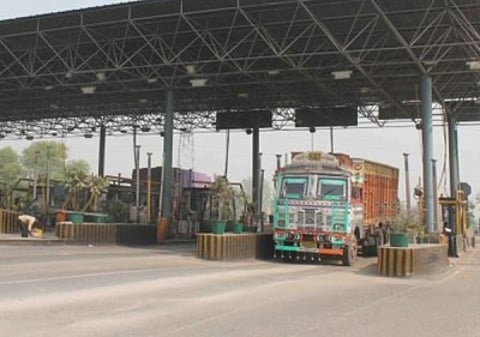
India plans to roll out an AI-powered, barrier-free tolling and highway management system across national highways by the end of 2026, a move that will eliminate waiting time at toll plazas and significantly improve traffic flow, Union Road Transport and Highways Minister Nitin Gadkari told the Rajya Sabha on Wednesday.
Replying to questions during Question Hour, Gadkari said the multi-lane free flow (MLFF) tolling system will allow vehicles to pass toll points at speeds of up to 80 km per hour without stopping. The system will rely on artificial intelligence-based number plate recognition, satellite tracking and FASTag integration to automatically identify vehicles and deduct toll charges.
“Our goal is to bring waiting time down to zero minutes,” the minister said, adding that MLFF would not only ease congestion but also help curb toll leakage, reduce fuel consumption and improve travel efficiency on national highways.
Gadkari noted that the transition from manual toll collection to FASTag had already reduced waiting times from several minutes to under a minute and boosted toll revenues by at least Rs50 billion. With MLFF replacing FASTag, vehicles will no longer need to slow down or stop at toll plazas, further improving traffic movement and travel time.
The AI-based tolling system forms part of a broader technology-driven push to modernise India’s highway infrastructure and improve commuter experience, the minister said.
Treatment scheme
Alongside infrastructure upgrades, Gadkari also announced a major expansion of the government’s cashless treatment scheme for road accident victims, aimed at saving lives during the critical “golden hour” following crashes.
Under the expanded programme, accident victims will be entitled to cashless medical treatment of up to Rs 150,000 per person per accident for the first seven days of hospitalisation. The government will facilitate payments directly to hospitals to ensure that victims are not denied treatment due to lack of upfront funds.
The scheme, which was piloted in select regions, is being rolled out nationwide in coordination with state governments. Gadkari said the initiative is designed to remove financial barriers to immediate medical care, which remains a key factor behind preventable road accident deaths.
Emergency response
The minister also informed the House that the government is working on a centralised emergency response model to ensure that specialised ambulances can reach accident sites within 10 minutes. This will include a centralised emergency helpline integrated with upgraded ambulance services and agreements with states for the deployment of modern, well-equipped ambulances.
Specialised ambulances will be fitted with tools required for complex rescue operations, including cases where vehicles fall into gorges. The Centre will reimburse costs for such services, provided response-time targets are met, Gadkari said.
To encourage bystander intervention, the minister highlighted the ‘Rah-Veer’ scheme, under which good Samaritans who rush accident victims to hospitals are honoured with the title ‘Rahaveer’ and a cash reward of Rs 25,000, up from the earlier Rs 5,000.
Citing a study by the Indian Medical Association, Gadkari said timely medical intervention could prevent nearly 50,000 road accident deaths annually in India. Describing road safety as a “very serious issue”, he reaffirmed India’s commitment to halving road traffic deaths and injuries by 2030, in line with the Stockholm Declaration, through a mix of technology, enforcement, safer vehicles and improved road quality.
- with inputs from IANS


