ISRO says reforms are ‘ecosystem expansion’, not privatisation, as industry role grows
Space reforms to boost industry role while ISRO leads advanced research, missions
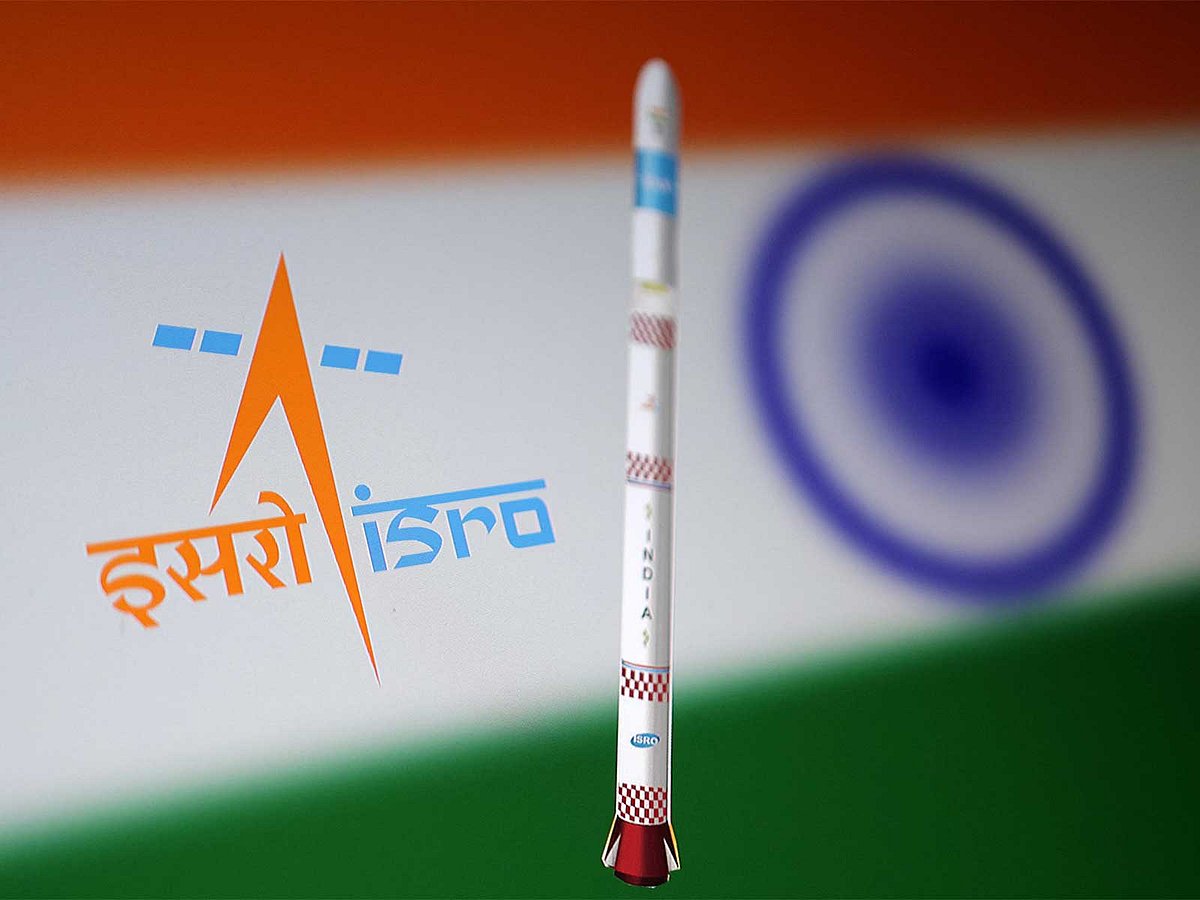
Indian Space Research Organisation (ISRO) took to X (formerly Twitter) to clarify its future plans, refuting rumours that it shall be fully privatised.
In a lengthy post on social media, it issued a statement that read: “There has been considerable reporting in parts of the media around the future role of ISRO including speculations and misinformation that there is an attempt to privatise ISRO or reduce its role. These assertions are completely baseless and incorrect. We wish to categorically state that ISRO will neither be privatised nor will its importance be diminished. ISRO will continue to remain India’s principal institution for advanced space research and technology development, national and strategic missions, space science and exploration, and critical and frontier space capabilities.”
Get updated faster and for FREE: Download the Gulf News app now - simply click here.
It added: “It is about enabling ISRO to focus even more strongly on the next generation of India’s space programme, while industry scales mature technologies and capabilities. What is changing is not the importance of ISRO, but the scale and structure of India’s space ecosystem.”
Calling reforms an ecosystem expansion, it said: “Towards an ISRO-Led Space Ecosystem The space-sector reforms initiated since 2020 and institutionalised through the Indian Space Policy 2023, along with progressive liberalisation of FDI policy, aim to create a larger, stronger and globally competitive Indian space ecosystem. Industry, start-ups and academia are being enabled to participate across the space value chain, complementing and multiplying ISRO’s capabilities. The reforms should therefore be seen as ecosystem expansion and capability multiplication, not privatisation.
“As India’s industrial and technological capabilities have grown, mature and scalable activities can increasingly be undertaken by Indian industry. ISRO has already transferred around multiple technologies to industry. Transferring a mature technology does not mean ISRO is withdrawing from that domain. It enables large-scale production, commercialisation, innovation and access to global markets while allowing ISRO’s scientific and technical manpower to concentrate on advanced research, next-generation technologies and complex national missions. The transition is therefore towards an “ISRO-led national space ecosystem.”
Stressing that ISRO’s role will progressively strengthen in areas where its scientific expertise matters most including frontier R&D, advanced technologies, human spaceflight, next-generation launch systems, deep-space and planetary missions and strategic national capabilities, the statement said the organisation will continue developing cutting-edge technologies.
“Meanwhile, mature and routinely manufactured systems can increasingly be scaled through industry. Production of mature launch vehicles, routine satellites and other established systems can increasingly be undertaken by industry or PSUs through appropriate competitive processes. This allows ISRO to devote more resources and scientific manpower to the next generation of technologies and missions, while the wider ecosystem provides the investment, manufacturing capacity and scale required by an expanding national space programme,” it explained.
Network Links
GN StoreDownload our app
© Al Nisr Publishing LLC 2026. All rights reserved.