Trump links Iran war, oil prices and market crash to midterm elections: Key takeaways
Trump links Iran tensions, oil prices and Wall Street losses to US midterms
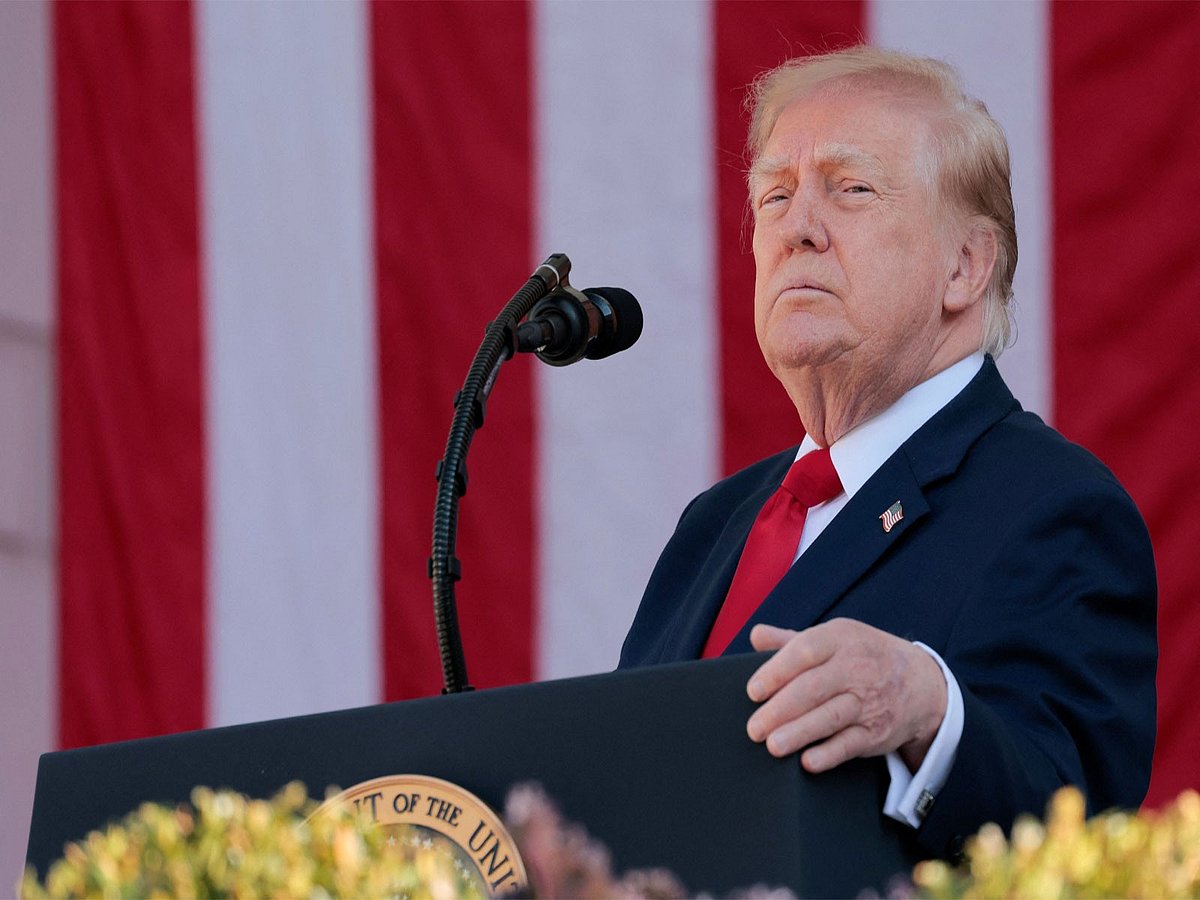
US President Donald Trump has accused Iran of becoming more aggressive following the Democrats' victory in the November 3 midterm elections, claiming Tehran views the party as weak and ineffective.
In a series of posts on his Truth Social platform, Trump said he had predicted increased Iranian aggression after the election. He also accused Democrats and Iran of trying to keep oil prices high before the vote, while linking the subsequent decline in crude prices to the election outcome.
Get updated faster and for FREE: Download the Gulf News app now - simply click here.
Trump separately blamed Democrats for the downturn in US stock markets, criticising the party's economic policies.
His comments come amid continuing tensions between Washington and Tehran, with Trump also indicating that he is inclined to resume military strikes against Iran after the New Year if negotiations fail.
Here is what you need to know about Trump's latest comments and developments involving Iran.
Trump claims Iran has stepped up attacks
In his first Truth Social post, Trump said he had predicted two developments ahead of the November 3 midterm elections: a substantial decline in US stock markets if Democrats won and increased aggression from Iran.
He claimed both predictions had materialised.
Trump alleged that Iran had stepped up its drone and missile attacks over the past week, claiming US defences had intercepted the incoming threats without causing damage.
He also accused Iranian leaders of considering Democrats weak, ineffective and damaging to the United States.
"Iranian leaders consider the Democrats weak, ineffective, and Country destroying, but I won't let that happen!" he wrote.
Oil prices: Trump blames Democrats and Iran
Trump accused Democrats and Iran of trying to keep oil prices elevated for as long as possible before the midterm elections.
He claimed crude prices had fallen sharply since the vote, suggesting the decline supported his earlier prediction.
In a separate Truth Social post, he wrote: "Isn't it interesting that Oil prices have dropped precipitously after the Midterm Elections? I said that was going to happen."
He described the situation as a "Giant Hoax".
Trump also criticised voters for not understanding the alleged connection between the election outcome and oil prices before casting their ballots.
However, he did not provide evidence to support his allegation that Democrats and Iran had worked together to keep oil prices high.
US stock market: Trump criticises Democrats over losses
In another Truth Social post, Trump blamed the Democrats' election victory for the decline in US stock markets.
He attributed the market losses to what he described as the party's anti-growth and retribution-focused policies, warning that the situation could worsen unless Democrats changed their approach.
However, the market sell-off has been influenced by several factors beyond the election outcome.
Concerns over artificial intelligence valuations, technology stocks and the Federal Reserve's interest rate outlook have weighed on investor sentiment.
Technology and semiconductor shares have faced significant selling pressure, with Nvidia among the companies recording substantial losses in market value.
US Treasury Secretary Scott Bessent acknowledged that the market decline had accelerated around the election but pointed to several contributing factors.
Speaking to CBS News' Face the Nation, Bessent cited concerns over AI infrastructure policies and hawkish signals from the Federal Reserve.
Is Trump threatening to resume military action against Iran?
In separate remarks reported by Fox News on November 23, Trump said he was inclined to launch military strikes against Iran after the New Year if a deal was not reached.
He criticised Tehran's approach to negotiations, accusing Iranian officials of talking without making tangible progress.
Calling the Iranian side "professional tap dancers", Trump said: "They talk all the time. All they do is talk, but it's all BS."
He also warned against Iranian tankers testing the US blockade, saying they would end up at the bottom of the sea.
The remarks add to uncertainty over diplomatic efforts between Washington and Tehran and the possibility of renewed military action.
Iran sets conditions for negotiations
Iranian Foreign Minister Abbas Araghchi has said reopening the Strait of Hormuz would not be difficult if the United States accepted reasonable conditions in accordance with international law.
According to Iran's semi-official Tasnim news agency, as reported by Al Jazeera, Araghchi said resolving the crisis would require Washington to acknowledge its mistakes and honour previous commitments.
Meanwhile, Iran's Islamic Revolutionary Guard Corps (IRGC) has claimed responsibility for a combined missile and drone operation targeting two US Patriot air defence radars at military bases in Bahrain.
According to a statement broadcast by Iranian state broadcaster IRIB and reported by Al Jazeera, the targets were at the Al-Riffa and Awali bases.
The IRGC said the operation was launched in retaliation for alleged violations of Iranian airspace by US drones and an attack on a radar installation on Iran's Hengam Island.
The military claims have not been independently verified.
Why the Strait of Hormuz matters for oil prices
Iran's strategic position and the importance of the Strait of Hormuz make developments involving Tehran particularly significant for global energy markets.
The waterway is a major route for international oil shipments. Any escalation involving Iran could threaten shipping and regional energy infrastructure, raising concerns about supply disruptions and potentially pushing crude prices higher.
Conversely, progress in negotiations and expectations of reduced geopolitical risks could ease concerns over oil supplies.
Investors are therefore watching developments between Washington and Tehran alongside economic indicators, interest rate expectations and technology-sector valuations.
Network Links
GN StoreDownload our app
© Al Nisr Publishing LLC 2026. All rights reserved.