DR Congo Ebola outbreak: How dangerous is it and should you worry?
Rare strain spreads across conflict-hit region as WHO warns of possible wider transmission
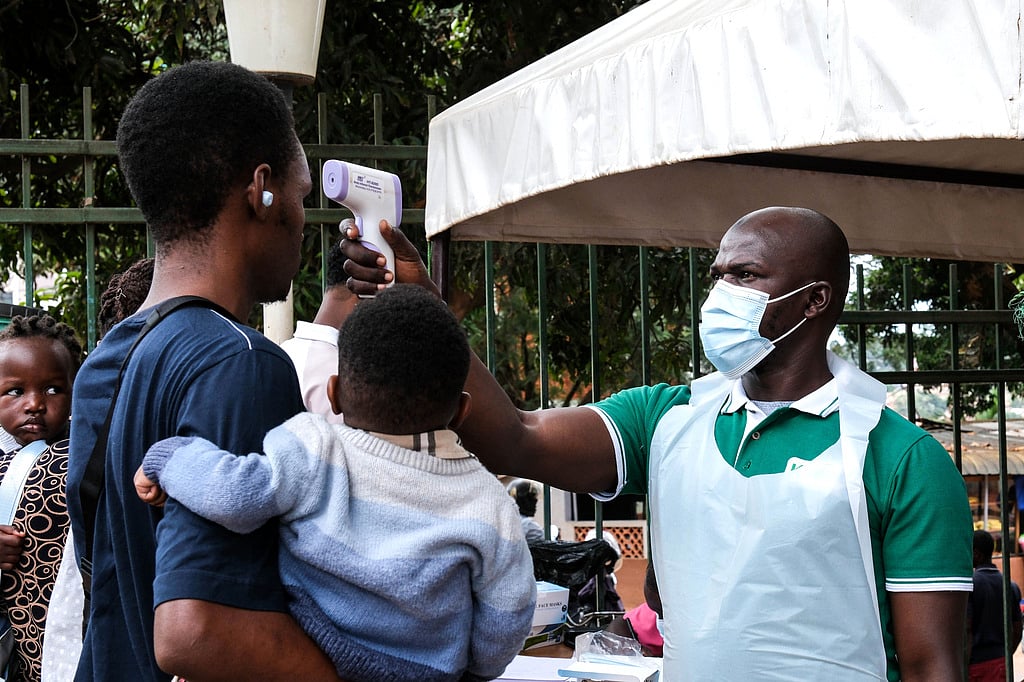
Dubai: A new Ebola outbreak in the eastern part of the Democratic Republic of the Congo has triggered growing global concern after spreading undetected for weeks in a region torn by conflict and displacement.
Nearly 250 suspected cases and around 80 deaths have already been reported, while neighbouring Uganda has confirmed infections linked to the outbreak. The virus involved is the rare Bundibugyo strain of Ebola, for which there are no approved vaccines or targeted treatments, making containment more difficult than in previous outbreaks.
The World Health Organization has declared a public health emergency of international concern, warning of the risk of wider regional spread and calling for urgent international support.
While experts say the risk of a Covid-style global pandemic remains very low, the coming weeks are seen as critical in determining whether the outbreak can be quickly contained.
What is Ebola?
Ebola is a rare but severe viral disease that can cause fever, vomiting, diarrhoea, organ failure and, in some cases, internal or external bleeding. It is often fatal if not treated early.
How does Ebola spread?
Ebola spreads through direct contact with infected bodily fluids such as blood, vomit, saliva, sweat, urine or semen. People can also become infected through contaminated medical equipment or contact with infected bodies during burials.
Unlike Covid-19, Ebola does not spread easily through the air. Patients usually become contagious only after symptoms appear.
Why is this outbreak especially worrying?
Health experts say several factors make this outbreak concerning:
The Bundibugyo strain is rare and difficult to detect
There are no approved vaccines or treatments
The virus spread undetected for weeks
The outbreak is taking place in a conflict-hit region with large population movements
Cross-border travel raises the risk of spread to neighbouring countries
WHO officials warn the actual number of infections may be much higher than currently reported.
What is the Bundibugyo strain?
The Bundibugyo virus is one of several Ebola species known to infect humans. It was first identified in Uganda during a 2007 outbreak.
This is only the third known outbreak involving the strain:
2007–08 in Uganda: 149 cases, 37 deaths
2012 in Congo: 57 cases, 29 deaths
2026 outbreak in DR Congo and Uganda
The strain kills roughly 30% of infected people, according to previous outbreaks.
Why did WHO declare a global emergency?
The WHO’s emergency declaration is meant to trigger international coordination, funding and medical support.
It reflects concerns that:
The outbreak could spread across borders
Local health systems may struggle to cope
More global resources are urgently needed
WHO teams and emergency medical supplies have already been deployed to affected areas.
What are the symptoms?
Symptoms can appear between two and 21 days after infection.
Early symptoms include:
Fever
Headache
Muscle pain
Extreme tiredness
As the disease worsens, patients may develop:
Vomiting
Diarrhoea
Dehydration
Organ failure
Bleeding in severe cases
Is there a cure or vaccine?
There are currently no approved vaccines or drug treatments specifically designed for the Bundibugyo strain.
Treatment mainly involves supportive care such as:
Fluids
Nutrition
Pain relief
Treating other infections
Intensive monitoring
Doctors say early treatment significantly improves survival chances.
Could this become another global pandemic?
Experts say the risk to the wider world remains low.
Ebola spreads far less easily than respiratory viruses such as Covid-19, and outbreaks are usually contained through isolation, contact tracing and safe burials.
However, health officials remain concerned about regional spread in Central and East Africa if the outbreak is not brought under control quickly.
What precautions can people take?
Health authorities advise:
Avoid contact with bodily fluids of sick people
Wash hands regularly
Avoid handling bodies without protection
Seek medical attention quickly if symptoms appear after travel to affected areas
Follow official public health guidance
Healthcare workers treating Ebola patients use full protective equipment to reduce infection risk.
What happens next?
The next few weeks are likely to determine whether the outbreak is quickly contained or develops into a much larger regional crisis.
Experts say rapid testing, tracing infected contacts, isolating patients and improving hospital safety measures will be key to stopping the virus from spreading further.
-- With AP inputs

Sign up for the Daily Briefing
Get the latest news and updates straight to your inbox
Network Links
GN StoreDownload our app
© Al Nisr Publishing LLC 2026. All rights reserved.