Understanding the IMO's role in global shipping standards and maritime safety
Who sets shipping rules at sea and how are they made? UAE ministry explains
How international rules shape shipping routes and impact global trade
Last updated:
3 MIN READ
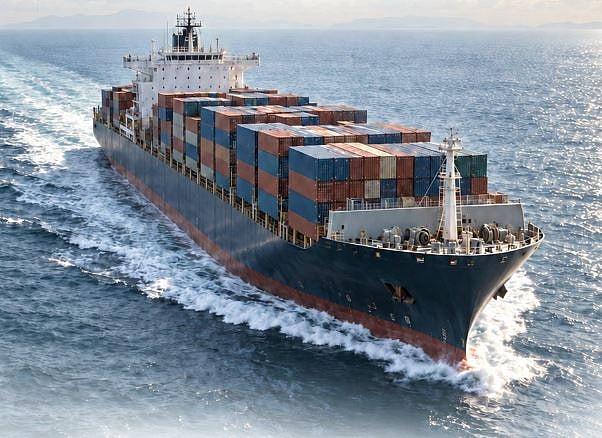
The UAE Ministry explains the process behind maritime regulations at sea
Instagram
A disruption can delay cargo, push up freight and insurance costs, and affect the movement of oil, gas and other goods. For countries and businesses that depend on maritime trade, the economic toll can be significant.
So who sets the rules for ships using these vital routes? And who is responsible for shipping safety and security?
In a recent social media post, the UAE Ministry of Energy and Infrastructure explained the role of the international body responsible for setting global standards for shipping safety, security and pollution prevention.
What is the International Maritime Organization?
The International Maritime Organization (IMO) is a specialised United Nations agency responsible for setting global standards for international shipping.
Its work covers ship safety, maritime security and preventing pollution from ships.
The IMO provides a common framework for countries and the shipping industry, helping establish rules that apply across international maritime operations.
How are shipping rules made?
IMO Member States meet to discuss developments in international shipping.
Countries can propose new conventions or amendments to existing rules. Member States then negotiate these proposals before regulations and standards are adopted internationally.
Who makes the decisions?
The IMO Assembly brings together representatives from all Member States. It is the organisation’s highest governing body and sets its overall direction.
The Assembly also elects the IMO Council, which supervises the organisation’s work between Assembly sessions.
Does the IMO control the Strait of Hormuz?
The IMO sets international standards for shipping, but it does not control individual waterways or decide which vessels can use them.
The Strait of Hormuz is one of the world’s most strategically important shipping routes, connecting the Arabian Gulf with the Gulf of Oman. Any major disruption can have consequences for energy supplies and global trade.
Security incidents involving Iran, commercial vessels or other actors can involve national governments, naval forces and other international organisations. The IMO’s role is focused on international standards for safe, secure and environmentally responsible shipping.
Why do shipping routes matter to the economy?
Major sea routes carry a large share of global trade. Ships transport oil, gas, food, manufactured goods and raw materials between countries.
When a major route such as the Strait of Hormuz or the Red Sea is disrupted, vessels may have to take longer alternative routes. This can increase fuel consumption, extend journey times, raise insurance premiums and push up freight costs.
Those additional costs can eventually affect businesses and consumers, adding pressure to supply chains and prices.
What happens when a route is disrupted?
A disruption to a major shipping route can lead to:
Longer journeys: Ships may divert to alternative routes, adding time and fuel costs.
Higher freight costs: Longer voyages require more fuel, crew time and other resources.
Higher insurance costs: Security risks can increase premiums for vessels and cargo.
Energy-market impact: Disruption around major oil and gas routes can affect energy prices and supplies.
Supply-chain delays: Goods can take longer to reach ports, factories and consumers.
What this means for global trade
The IMO provides the global framework for international shipping, but it does not control individual sea routes or act as a maritime police force.
When tensions involving Iran affect the Strait of Hormuz, or security threats disrupt shipping through the Red Sea, governments, naval forces, shipping companies and international organisations can all have different roles.
The impact can extend far beyond the water, affecting shipping routes, energy supplies, trade, businesses and the global economy.
The rules at sea are therefore part of a much bigger system — one that connects maritime security with global trade and the cost of goods and energy.
Network Links
GN StoreAbout Gulf NewsTerms & ConditionsReach by GNSitemapContact usPrivacy PolicyGN FocusHave your sayWork with usAdvertise with usGulf News epaperPrinting Services
Download our app
© Al Nisr Publishing LLC 2026. All rights reserved.