When will the UAE cool down? The signs summer is coming to an end
Fog, longer nights and cooler mornings are among the first signs of changing weather
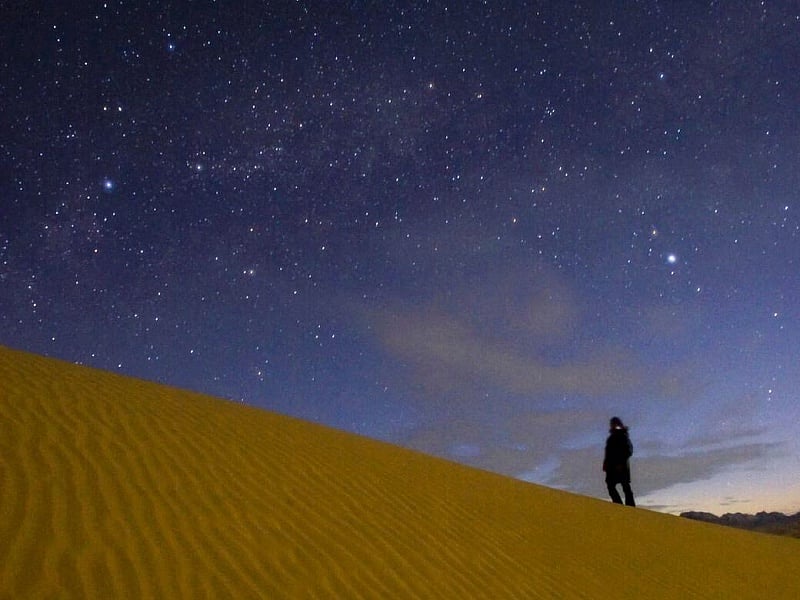
Dubai: Summer is beginning to loosen its grip on the UAE. While afternoons remain hot, the first clear signs of a seasonal shift are emerging, with temperatures edging lower, fog becoming more frequent, nights growing longer and cooler-season stars returning to the dawn sky.
Astronomical autumn begins in the UAE at 4.05am on Wednesday, September 23, when the sun crosses the equator and begins its apparent movement southwards. Around this period, day and night become roughly equal in length before the nights gradually start to grow longer.
Get updated faster and for FREE: Download the Gulf News app now - simply click here.
Ibrahim Al Jarwan, Chairman of the Board of Directors of the Emirates Astronomical Society and member of the Arab Union for Astronomy and Space Sciences, said average temperatures at the beginning of the season are around 39°C during the day and 26°C at night.
By early November, those averages fall to about 31°C and 18°C, before reaching around 25°C during the day and 13°C at night towards the winter solstice on December 22.
Meteorologically, however, autumn has already begun. Weather specialists mark September 1 as the start of the season, with climatic seasons based largely on typical monthly temperature patterns rather than astronomical events.
Al Jarwan said September usually brings a noticeable decline from the peak summer months, when daytime temperatures commonly remain above 42°C and minimum temperatures above 29°C.
The more noticeable change in the UAE’s outdoor weather is expected to come over the next few weeks. Winter clouds typically begin arriving from mid-October, while the chances of rain increase during the second half of autumn.
Humidity also rises during the first half of the season, contributing to the formation of fog and dew during the late-night and early-morning hours.
Traditional Gulf seasonal reckoning points to the same transition. The “Al Safri” season, regarded as the first period of autumn, began on September 6 and continues until October 15, bridging the period between the retreat of the intense summer heat and the arrival of cooler conditions.
During its early weeks, the weather can remain hot and humid, but by around mid-October cooler conditions become increasingly noticeable, particularly around dawn. Northerly winds also become more active and can bring clouds into the country.
The changing season is visible in the night sky as well. Around dawn, Gemini, Taurus and Leo become prominent, alongside Sirius, Canopus and the Pleiades, celestial markers traditionally associated with the transition towards the cooler months.
The first half of autumn is also considered one of the best planting periods across the Arabian Peninsula. As the ground begins to cool and retain moisture for longer, seedlings are transplanted and seeds are sown for the autumn growing season.
Rainfall would also draw particular attention this year. The National Centre of Meteorology has said the strong El Niño developing in the Pacific may be associated with above-average rainfall in the UAE, while stressing that the phenomenon’s influence on the country is indirect.
The centre said weather conditions remain under close monitoring and that any significant system affecting the UAE would be announced through its official channels.
The shift towards more comfortable outdoor weather is expected to become clearer over the coming weeks. By October, cooler evenings traditionally begin to open the way for barbecues, camping trips and desert outings across the UAE.
There is no single day when summer ends in the UAE. Instead, it retreats in stages, cooler mornings, longer nights, fog at dawn, changing winds and, eventually, evenings comfortable
Network Links
GN StoreDownload our app
© Al Nisr Publishing LLC 2026. All rights reserved.