UAE skies to mark traditional start of summer with rise of Al Sharatain
Al Sharatain is one of the brightest stars located along the zodiac belt
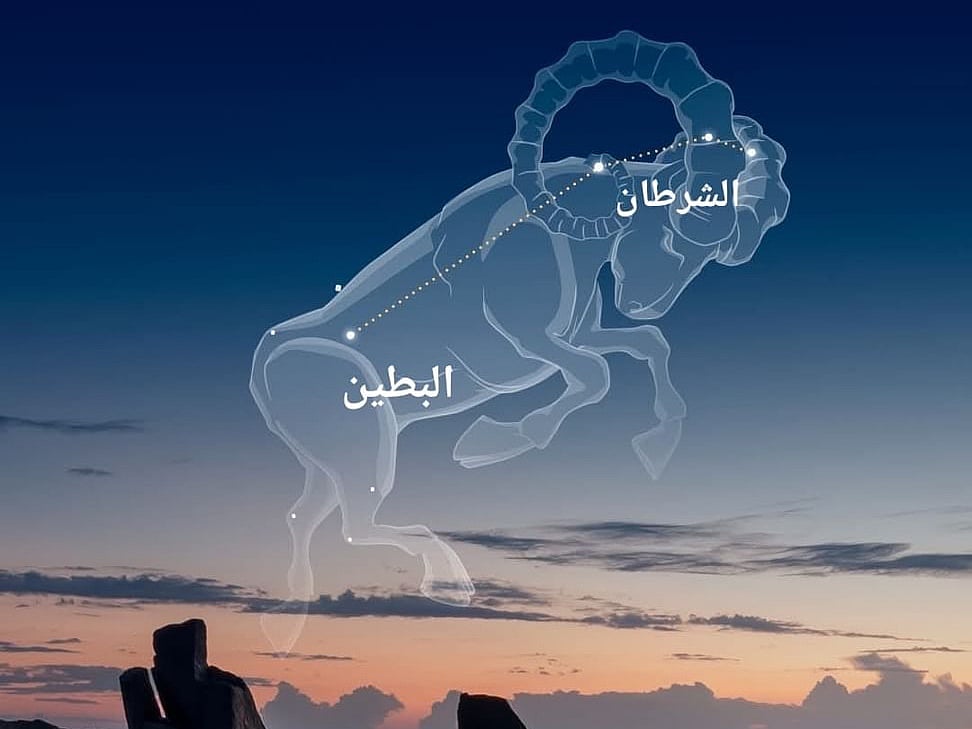
The UAE’s skies are set to witness the rise of the lunar station known as “Al Sharatain” before dawn on May 12, a celestial event long associated in Arab tradition with the beginning of summer and the arrival of hotter conditions across the Arabian Peninsula.
Ibrahim Al Jarwan, Board Chairman of the Emirates Astronomical Society and a member of the Arab Union for Astronomy and Space Sciences, said the appearance of Al Sharatain above the eastern horizon marks a seasonal turning point recognised for centuries by Arabs and agricultural communities, signalling the dominance of daytime heat and the gradual shift towards the Gulf’s intense summer climate.
Get updated faster and for FREE: Download the Gulf News app now - simply click here.
According to the Emirates News Agency (WAM), Ibrahim Al Jarwan explained that Al Sharatain is one of the brightest stars located along the zodiac belt, or the Sun’s apparent path across the sky.
He said the name “Al Sharatain” historically referred to a “sign” or “marker” because it represents the first of the northern lunar mansions in traditional Arab astronomy. The stars are also linked to the horns of the Aries constellation.
According to Ibrahim Al Jarwan, the rising of Al Sharatain traditionally coincides with a noticeable increase in temperatures, with daytime highs often surpassing 40°C as humidity levels drop below 30 per cent during the day and conditions become significantly drier.
The period is also associated with calmer conditions in the Arabian Gulf, while the Arabian Sea and northern Indian Ocean begin entering a more unstable weather phase linked to the start of the tropical disturbance season.
Al Jarwan said between three and five tropical disturbances are typically expected in the Arabian Sea during May and June.
The period additionally marks the arrival of the “Al Bareh” winds, dry northwesterly summer winds carrying dust and sand across the region from mid-May until late July, before the harsher hot desert winds later intensify.
Historically, the season has also been associated with the ripening of early dates, figs and mangoes across the Arabian Peninsula, alongside the drying of grazing lands and the traditional shearing season for sheep wool and camel hair.
For fishing communities, the season is considered among the richest periods of the year in the Arabian Gulf, with increased activity of kingfish, grouper, cobia and several surface fish species.
Al Jarwan also warned of the seasonal appearance of the “Sayoura” phenomenon, known as rip currents, which tend to form along some beaches during transitional weather periods and the shift from mild to hot conditions.
He said the currents can pose serious dangers to beachgoers because they pull swimmers away from shore and deeper into the sea.
Network Links
GN StoreDownload our app
© Al Nisr Publishing LLC 2026. All rights reserved.