US-Iran war: What UAE residents need to know today (Oct 6, 2026)
Oil prices dip below $100 but shipping disruptions persist in the Gulf
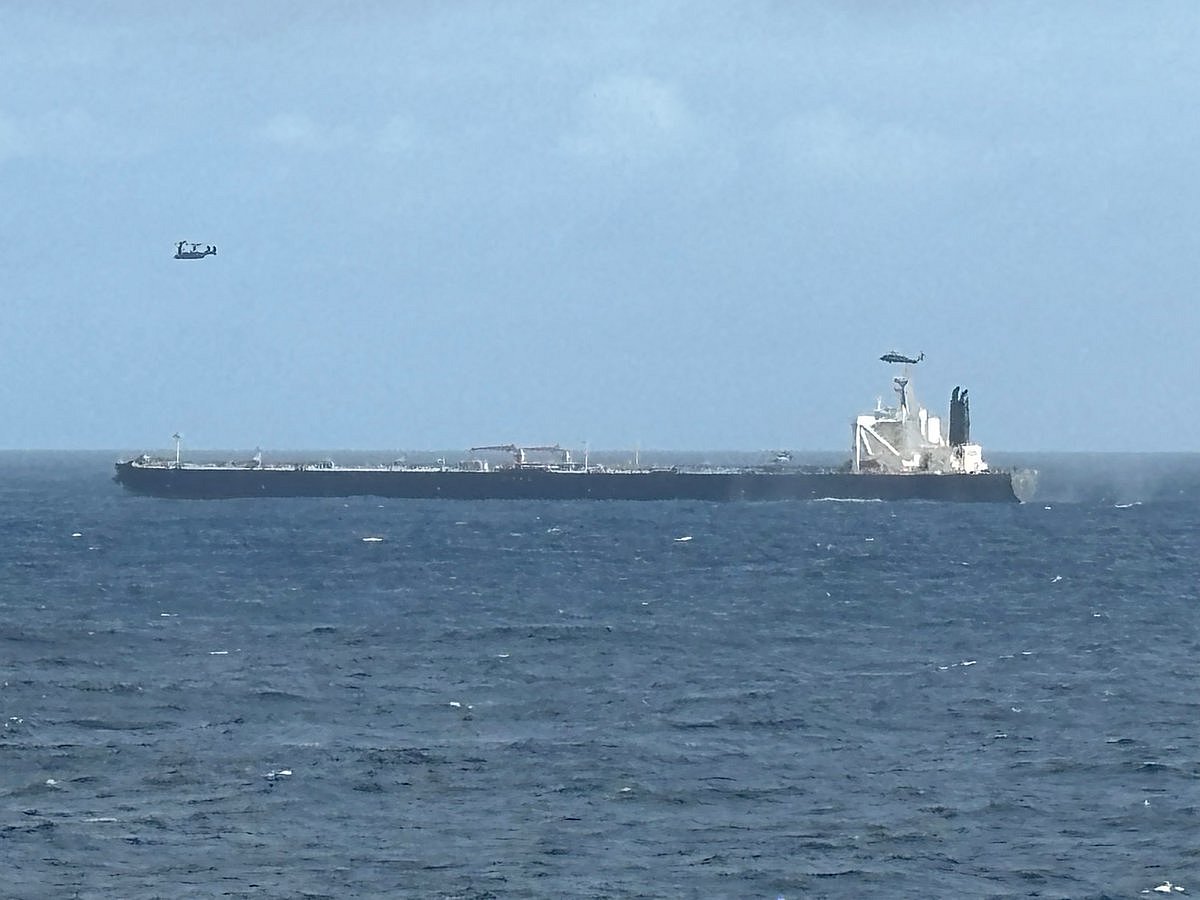
UAE residents face another day of uncertainty over regional travel and shipping as attacks hit two Saudi airports and fighting intensifies around one of the Middle East’s most important maritime routes. There are, however, signs of some relief: oil prices have dipped below $100 a barrel and Qatar says efforts to broker a US-Iran agreement are still alive.
Get updated faster and for FREE: Download the Gulf News app now - simply click here.
Saudi airports hit as Yemen fighting escalates
The most significant escalation over the past 24 hours has been in Saudi Arabia, where attacks struck airports in Jazan and Najran on Monday evening, injuring three people and causing limited damage, according to the Saudi aviation authority.
The attacks came as Saudi-backed Yemeni government forces intensified their offensive against the Iran-aligned Houthis. The Houthis have responded with missile and drone attacks on Saudi airports, oil facilities and military sites. Saudi authorities said they were assessing damage and taking measures to protect passengers and civil aviation.
For UAE residents, the escalation matters particularly for regional aviation. The Houthis have warned airlines that Saudi airspace could be targeted, adding another layer of uncertainty for flights crossing the region.
Battle for Bab Al Mandab shifts again
Saudi-backed Yemeni forces say they have pushed the Houthis out of most of the territory they captured around the Bab Al Mandab Strait, advancing along the coast towards the port of Mocha.
The Yemeni government says it has retaken key positions, but Reuters, who reported it, could not independently verify the full extent of the gains and the Houthis dispute the government’s account.
Bab Al Mandab connects the Red Sea and Gulf of Aden and is particularly important while shipping through the Strait of Hormuz remains disrupted. For Gulf economies, instability around both waterways at the same time presents a serious risk to trade, freight and energy movements.
US-Iran talks are not dead
Despite the military escalation, there was a potentially important diplomatic development on Tuesday.
Qatar said indirect talks between the United States and Iran are continuing, with messages still being exchanged through Doha and other regional partners. Iran’s Interior Minister Eskandar Momeni also met Qatar’s Emir Sheikh Tamim bin Hamad Al Thani in Doha, with regional security and de-escalation among the issues discussed.
Any breakthrough matters directly to the UAE because reopening and normalising traffic through Hormuz remains closely tied to negotiations between Tehran and Washington.
Oil slips below $100 as Gulf exports recover
There was some relief on energy markets. Brent crude fell 0.8% to $99.49 a barrel on Tuesday morning as stronger Middle East exports and the G7’s decision to release emergency reserves eased supply concerns.
Gulf oil exports excluding Iran recovered to more than 81% of pre-war levels in September, although analysts cautioned that attacks on tankers mean the situation is far from normal.
For UAE residents, easing oil prices are encouraging, but expensive shipping and insurance could continue feeding into business and transport costs even if crude supplies improve.
UAE flights remain disrupted
Dubai and Abu Dhabi airports remain operational, but Tuesday brought further delays and cancellations. At Dubai International, cancelled services included flydubai flights to Beirut and Erbil, while several Emirates and regional services were delayed. Air Arabia also cancelled some Sharjah-Kuwait and Sharjah-Bahrain flights.
Some international airlines are beginning to restore UAE services, while others remain suspended.
For residents, the practical message remains simple: check your individual flight directly with the airline before leaving for the airport.
Network Links
GN StoreDownload our app
© Al Nisr Publishing LLC 2026. All rights reserved.