US-Iran standoff: What UAE residents need to know today (Aug. 17, 2026)
Flyers urged to check flights, verify news amid US-Iran standoff uncertainty
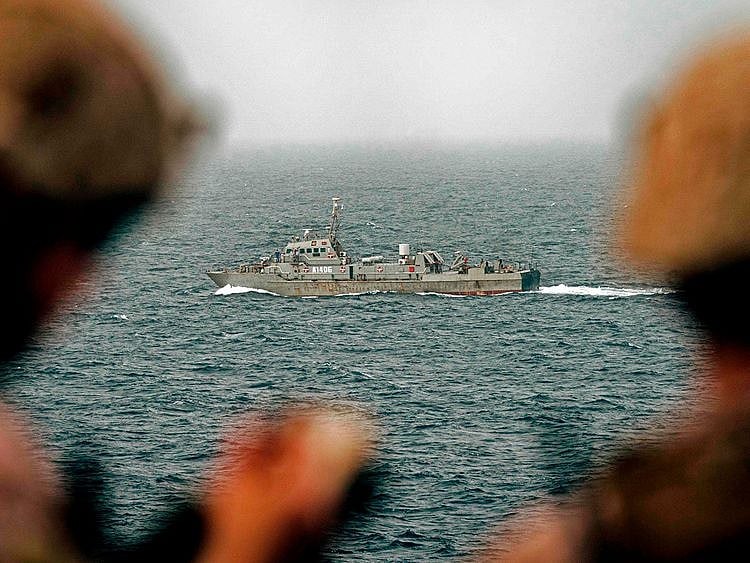
The UAE remains open for business and air travel, but the sharp decline in Hormuz shipping and the recent attacks on three UAE-linked vessels show that the regional security environment remains fragile.
With the deadline for a temporary agreement expiring today (Monday, August 17, 2026) the US-Iran standoff enters another critical phase.
For UAE residents, the crisis is being felt most directly through maritime security, air travel, fuel-market uncertainty.
Hormuz ship falls dramatically
The Strait of Hormuz remains the biggest immediate concern for both the UAE and global energy markets.
Just five vessels crossed the strait on Saturday and none on Sunday — compared with 31 during the previous weekend, as per shiptracking data (vs 130 vessels/day before the way).
The slowdown follows attacks on vessels operated or affiliated with Abu Dhabi National Oil Co (ADNOC). The UAE Foreign Ministry has condemned the attacks.
The UAE has accused Iran of attacking three ADNOC-linked vessels; Tehran has disputed or rejected accusations surrounding the attacks.The developments have increased concern over the security of one of the world's most important energy corridors.
Latest developments
Trump's 60-day deadline has expired: A temporary US-Iran arrangement intended to prevent a return to full-scale fighting reached its deadline on Monday (Aug). 17, but there was no clear breakthrough between Washington and Tehran.
US and Iran remain at odds over sanctions, Iran's nuclear programme, Hormuz reopening and the US naval blockade.
Ceasefire extension: There had been reports that Washington and Tehran had agreed in principle to extend the arrangement, but the duration and conditions of any extension remained unresolved.
Diplomatic framework under strain: The expiry of the deadline does not automatically mean that a new major US-Iran military offensive has begun. It does, however, leave the diplomatic route under significant strain, raising uncertainty.
New regional defence bloc adds another layer: A major shift in regional security has emerged after Saudi Arabia, Turkey and Pakistan signed the Mecca Joint Defence Agreement on Aug. 7. The pact has been described as a significant new security arrangement in the region, which US President Donald Trump labelled as a “big, bold” development.
Saudi Jazan residents were put on alert: The regional security picture also remains fluid beyond Hormuz. Saudi Arabia's Civil Defence issued an emergency warning for residents of Jazan after the National Early Warning Platform detected a potential threat. Residents were instructed to move to safe locations and follow official directions.
US envoy Jared Kushner met Hamas leaders in Egypt on Sunday in an effort to advance President Trump's Gaza peace plan. The discussions came ahead of a planned meeting with Israeli Prime Minister Benjamin Netanyahu.
Beware of viral claims
The screenshot also highlights a warning that is increasingly important for UAE residents: not every viral Iran-related claim is genuine.
A widely circulated statement about Iran's nuclear programme was traced from India to Israel and then the United States, despite being based on a fabricated quote.
Residents should be particularly cautious with posts claiming missile strikes, nuclear attacks, airport closures or official government orders without confirmation from authorities or established news organisations.
Oil prices are back in focus: Brent crude was trading around $88.41/ barrel early Monday (10.30am Tokyo), while US West Texas Intermediate was around $82.12, while Murban Crude stood at $89.42.
UAE air travel remains operational — but check before leaving home: The UAE's airports remain operational, but travellers should expect schedules and routings to remain subject to change as airlines monitor regional airspace.
Emirates maintains a dedicated travel-updates page advising passengers to check flight status before travelling. Etihad likewise directs passengers to its flight tracker and latest travel information, while Air Arabia provides an online flight-status service.
Reports on Sunday said Emirates and flydubai had resumed some overflights of Iranian airspace after previously rerouting around the region, illustrating how quickly airline routings can change, as per AirLive.
What travellers should do:
Check the airline's flight status immediately before leaving for the airport.
Allow extra time for possible security and operational changes.
Do not rely solely on an old itinerary or booking confirmation.
Keep alternative travel arrangements in mind if travelling on routes close to affected airspace.
Follow instructions from airport authorities and airlines rather than social-media reports.
What UAE residents should watch today
The most important developments over the next 24 hours are likely to be:
Whether Washington and Tehran extend or abandon the temporary framework.
Whether shipping through Hormuz resumes or falls further.
Whether additional commercial vessels are targeted.
Any new Iranian, US or Israeli military action.
Changes to UAE airline routes and flight schedules.
Movements in oil prices and their potential effect on regional economies.
Any new security alerts across Saudi Arabia, Bahrain, Kuwait, Qatar or the UAE.
Residents should rely on official UAE announcements, airline notifications and verified news sources, and avoid spreading unconfirmed reports as the US-Iran standoff enters another uncertain phase.
Sign up for the Daily Briefing
Get the latest news and updates straight to your inbox
Network Links
GN StoreDownload our app
© Al Nisr Publishing LLC 2026. All rights reserved.