US-Iran conflict: What UAE residents need to know tonight, September 9
US destroys five Iranian tankers as Tehran retaliates and tensions rise around Hormuz
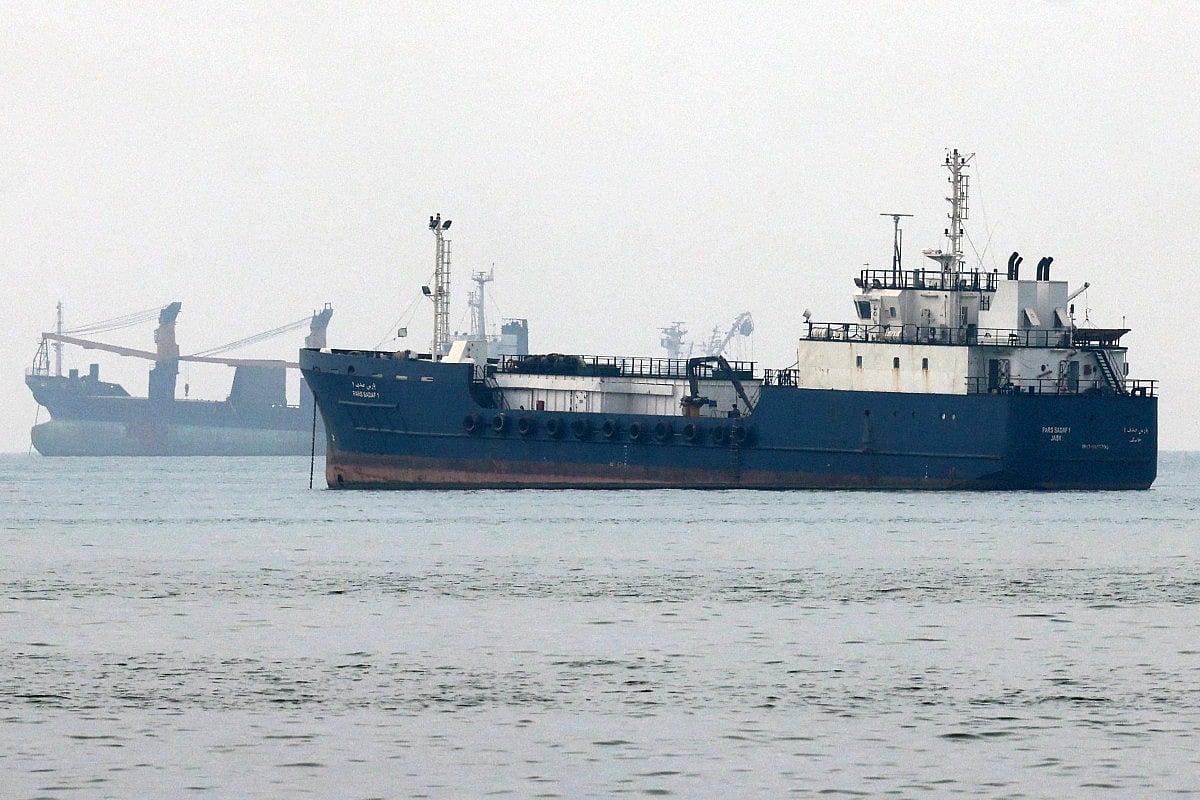
The US-Iran conflict has entered another dangerous phase, with Washington destroying five Iranian oil tankers and Tehran responding by claiming attacks on shipping and launching ballistic missiles towards a base used by US forces in Jordan.
The escalation has again put the Strait of Hormuz at the centre of the conflict, while oil prices climbed above $100 a barrel for the first time since July.
Get it: Fast, verified news for FREE ... download the Gulf News app — simply click here
For UAE residents, maritime security, oil prices and changing flight schedules remain among the key issues to watch this afternoon and evening.
Here are the main developments on Wednesday, September 9.
US destroys five Iranian oil tankers
US Central Command said American forces destroyed five Iranian crude oil carriers after Iran's Revolutionary Guards attempted to strike a US Navy warship with ballistic missiles twice over the previous two days.
CENTCOM identified the vessels as the Kaviz, Charminar, Horizon 1 and Riesco in the Gulf of Oman, and the Derya near Iran's Kharg Island.
The US said crews were ordered to abandon the vessels before they were struck and that no American personnel were harmed in the earlier Iranian attacks.
US Secretary of State Marco Rubio warned that further attempts to target American naval vessels would bring additional attacks on Iranian tankers.
Iran retaliates at sea as tanker conflict escalates
Iran responded to the US destruction of five Iranian oil tankers by announcing attacks on shipping around the Strait of Hormuz, saying it targeted two US vessels and eight tankers.
US Central Command denied Iranian claims that American warships had been hit.
The escalating exchange has again put maritime security around the Strait of Hormuz at the centre of the conflict, with commercial shipping through the strategic waterway remaining severely constrained.
Iran's Revolutionary Guards have also threatened to expand the area in which shipping is restricted and said they would publish maps of a larger off-limits maritime zone.
Jordan intercepts 18 Iranian ballistic missiles
Iran's Revolutionary Guards said they also fired ballistic missiles at a base used by US forces near Al Azraq in eastern Jordan in retaliation for the American tanker strikes.
Jordan said its air defences intercepted 18 of 20 missiles launched from Iran.
The remaining two fell in unpopulated areas, with no casualties reported.
A US official said all American personnel were accounted for and described the Iranian attack as ineffective.
Hormuz traffic slows again
The latest exchange comes just as diplomatic efforts involving Iran and Oman had raised hopes of a temporary shipping corridor through the Strait of Hormuz.
Shipping is again severely constrained.
Preliminary data cited by Reuters showed only six ships crossing the strait with their transponders switched on over the previous 24 hours. However, vessel movements have become increasingly difficult to track because many ships are making so-called "dark crossings".
Iran's Revolutionary Guards have also threatened to expand the area in which shipping is restricted and said they would soon publish maps of a much larger off-limits maritime zone.
The Guards warned that any further US attacks would bring a substantially larger Iranian response.
Iran sets conditions for ending war
Despite the escalation, Iran's Revolutionary Guards said on Wednesday that the conflict could end if Washington halted the war and met a series of Iranian demands.
IRGC spokesman Hossein Mohebi said these included an end to renewed US threats, the lifting of the blockade on Yemen, the release of $24 billion in frozen Iranian assets and no interference in Iran's nuclear and missile programmes.
The demands indicate that a wide gap remains between Tehran and Washington despite recent diplomatic efforts over navigation through Hormuz.
Oil climbs above $100
The escalation is already being felt in energy markets.
Brent crude crossed $100 a barrel on Wednesday for the first time since late July, rising above $100.19 before easing slightly.
Markets are reacting not only to the US-Iran tanker confrontation but also to Houthi attacks on Saudi energy facilities this week and uncertainty over how much oil is actually moving through Hormuz.
The cost of moving oil through the strait has also risen sharply. An Emirates National Oil Company executive said war-risk premiums and cargo insurance can now add millions of dollars to individual voyages.
Saudi-Houthi fighting intensifies
A second regional flashpoint is also worsening.
The Iran-backed Houthis said Saudi-backed forces carried out 32 airstrikes across four Yemeni provinces overnight following Tuesday's Houthi missile and drone attacks on Saudi Arabia.
Those attacks struck four southern Saudi cities and affected energy infrastructure. Saudi authorities said 73 people were injured.
The UAE strongly condemned the Houthi attacks on Saudi civilian and economic facilities on Tuesday and reaffirmed its solidarity with the Kingdom.
UAE flights: What passengers need to know
Most flights from Dubai and Abu Dhabi are operating, but selected services remain delayed or cancelled as airlines adjust schedules.
Some flydubai services to Bahrain and Air Arabia flights to Bahrain and Kuwait are cancelled, while Etihad has reported a delay on an Abu Dhabi-Kuwait service. Separately, the UK air traffic control failure continues to affect UAE-UK travel, including Etihad and Emirates services.
Several international airlines also continue to suspend or restrict Dubai operations.
Not all disruptions are linked to the US-Iran conflict, with airlines citing a mix of regional, operational and technical factors. Passengers should check their flight status directly with their airline before travelling to the airport.
Flight status alert: Always check official airline websites for real-time updates, as flight schedules and conditions can change rapidly.
What UAE residents should watch this evening
The immediate focus is on whether the exchange of attacks on tankers and merchant shipping continues.
Any further incidents around the Strait of Hormuz could affect shipping, energy markets and regional security. At the same time, Iran's proposed expansion of its restricted maritime zone will be closely watched.
Brent's move above $100 also makes oil prices a key indicator of how markets view the escalation.
For travellers, schedules remain fluid, particularly on UK routes following the separate air traffic control disruption and on selected regional services.
Residents should continue to rely on official UAE announcements and check directly with airlines before travelling.
Network Links
GN StoreDownload our app
© Al Nisr Publishing LLC 2026. All rights reserved.