UAE urges Hajj 2026 pilgrims to get vaccines 10 days before travel
UAE issues health advice for Hajj pilgrims, stresses pre-travel vaccines
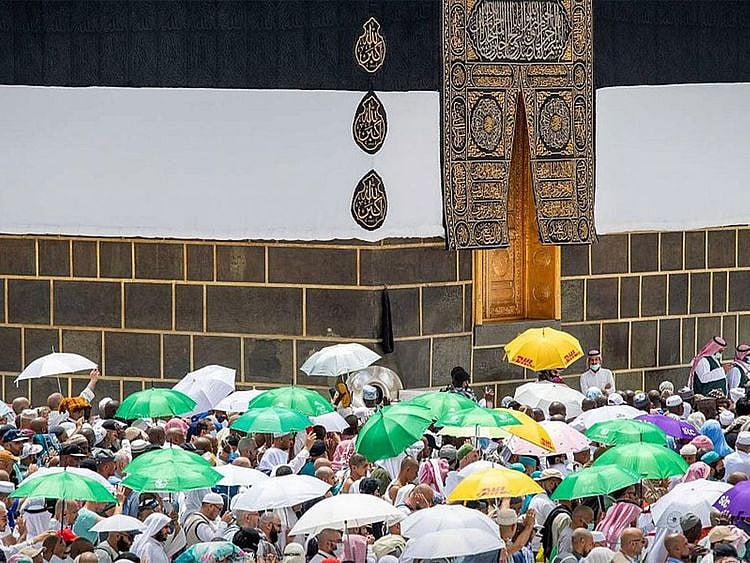
Dubai: Pilgrims preparing for Hajj 2026 have been urged to take their required vaccinations at least 10 days before departure in order to reduce the risk of infectious diseases during the pilgrimage.
The Emirates Health Services (EHS) said early vaccination is essential to allow the body time to build immunity, particularly given the large gatherings and physically demanding nature of Hajj.
Get updated faster and for FREE: Download the Gulf News app now - simply click here.
In its latest health awareness guide for pilgrims, EHS outlined the mandatory vaccines for this season, including meningococcal and seasonal influenza shots. Pneumococcal vaccination is also recommended for eligible groups, depending on age and underlying health conditions. Covid-19 vaccination remains optional but advised as part of broader preventive measures.
The guidance extends beyond vaccination, offering practical advice for before and during the journey. Pilgrims are encouraged to consult a doctor at least a month before travel to ensure their health is stable and to identify any potential risks. The guide also highlights the importance of physical preparation, noting that the rituals of Hajj often involve prolonged walking, standing and exertion.
To build endurance, pilgrims are advised to engage in regular aerobic exercise for at least 30 minutes a day, five days a week, alongside light strength and stretching routines. Staying hydrated and maintaining a balanced diet are also emphasised, with a recommendation to seek medical advice before starting any new exercise programme.
The authority also recommends preparing a personal medical kit tailored to individual needs. This should include medications for chronic conditions with prescriptions, basic pain relief and fever-reducing medicines, treatments for common ailments such as colds and allergies, as well as items such as face masks, thermometers and devices to monitor blood pressure or blood sugar levels.
Network Links
GN StoreDownload our app
© Al Nisr Publishing LLC 2026. All rights reserved.