UAE traces cyberattacks to 40 terror groups, says cybersecurity chief
UAE traces 40 terrorist groups as hackers target cameras and critical infrastructure
The UAE has traced more than 40 terrorist organisations operating across a network spanning more than 20 countries, the head of the country’s Cybersecurity Council said. Hackers have attempted to break into home surveillance cameras, farm security systems and vehicle cameras before circulating recordings online to cause public alarm.
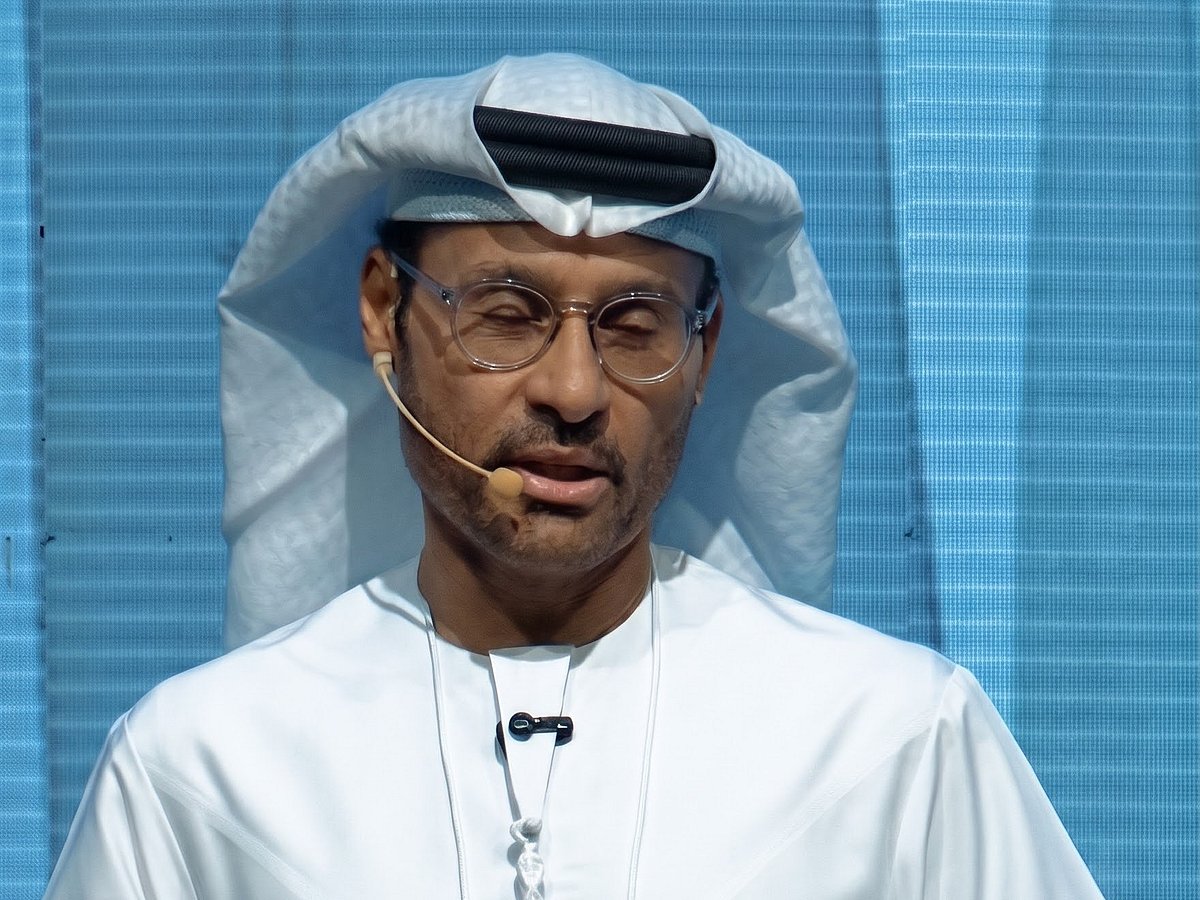
Dr Mohammed Al Kuwaiti, Head of the UAE Government's Cybersecurity Council, made the disclosure during a session titled Defending information in the Future.
He said the national cyber defence system had let specialists trace where the attacks came from and identify who was behind them.
Get updated faster and for FREE: Download the Gulf News app now - simply click here.
From infrastructure to individuals
Al Kuwaiti said threats have moved beyond government bodies and critical infrastructure to target people’s personal lives. Authorities detected attempts to hack cameras in homes, farms and vehicles, as well as smart imaging systems. Some footage was then posted on social media, apparently to scare the public and suggest large-scale security breaches had happened.
Wipers hit essential services
Al Kuwaiti revealed that attackers had attempted to deploy destructive malware known as “wipers”, which is designed to erase and destroy data. Ransomware encrypts files and demands payment to restore them; Wipers aim for potentially irreversible damage. Attempts targeted electricity and water networks, desalination plants, and the education and healthcare sectors.
After these attacks were thwarted, the perpetrators shifted their attention towards individuals, launching campaigns through social media platforms.
AI and its hacking capabilities
Al Kuwaiti warned that artificial intelligence is giving attackers far more than fake images and videos. Authorities have seen AI used to write malicious software, create viruses and find previously unknown security weaknesses. There have also been attempts to use AI agents to infiltrate institutions, some using fabricated digital identities that make attacks harder to trace, especially against government entities and large organisations.
He said AI has effectively become “the attacker, the adviser, the operator and the designer,” and that this is blurring the line between attackers and defenders.
Iran-linked networks
Al Kuwaiti said the entities behind the threats, particularly Iran and networks linked to the Islamic Revolutionary Guard Corps (IRGC), continued their cyber operations despite disruptions and the suspension of internet communication services in Iran.
They were able to maintain their activities by relying on autonomous systems developed over several years, allowing operations to continue even when internet connectivity was disrupted.
Attempts on power, water, education and healthcare systems were stopped, but the focus has since shifted to individuals. Cameras in homes, farms and cars have been targeted, and travellers have been sent fake messages about their flights and bookings, with social media used to spread the alarm.
Network Links
GN StoreDownload our app
© Al Nisr Publishing LLC 2026. All rights reserved.