UAE launches third phase of CBRN crime training with EU partnership
UAE-EU programme strengthens capacity to investigate and prosecute CBRN crimes
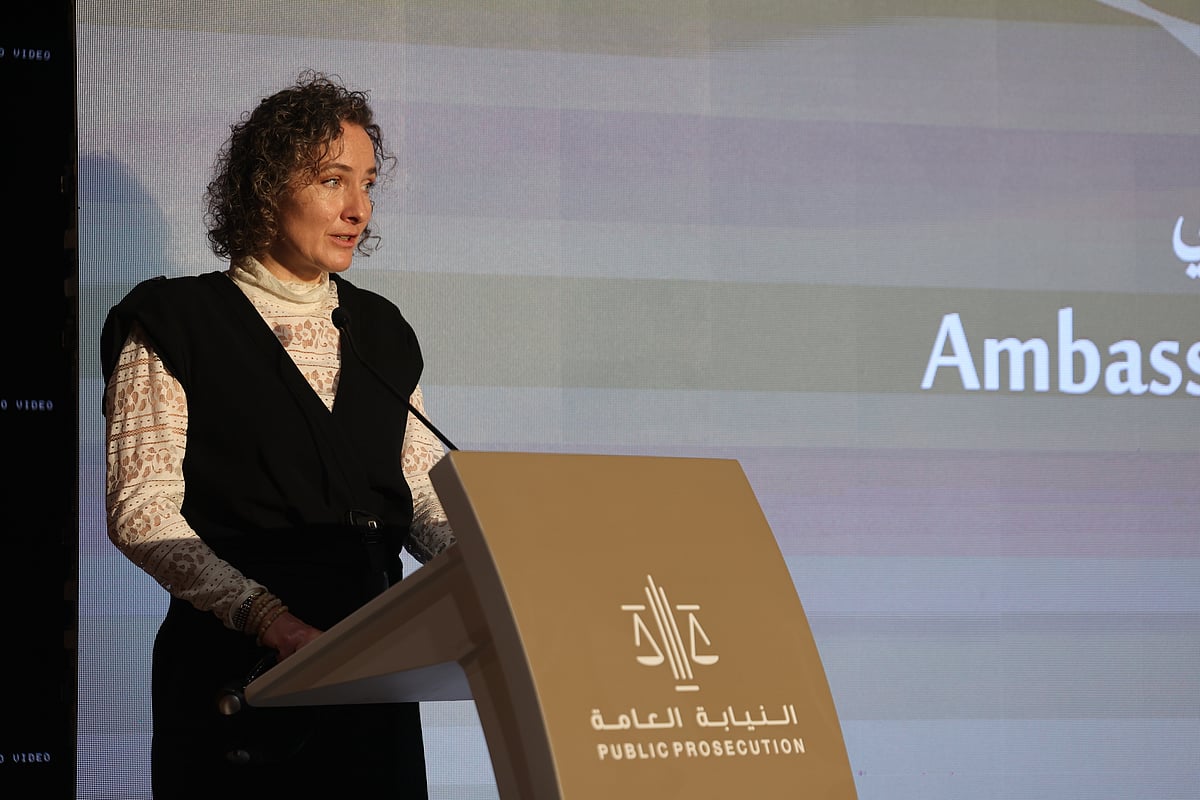
Abu Dhabi: The UAE Federal Public Prosecution has launched the third phase of its regional training programme aimed at enhancing investigative capacities in crimes involving chemical, biological, radiological, and nuclear (CBRN) materials.
The programme is conducted under the patronage of UAE Attorney General Counsellor Dr Hamad Saif Al Shamsi, in collaboration with the European Union.
The opening session was attended by Counsellor Sultan Al Juaid, Assistant Attorney General, and Lucie Berger, EU Ambassador to the UAE, who spoke on the importance of building specialised judicial capacities and international cooperation in tackling CBRN crimes.
EU-UAE partnership deepens
In the session attended by Gulf News, as part of ongoing coverage of UAE-EU security partnerships, Berger highlighted the close cooperation between the EU and UAE in addressing CBRN crimes, aiming to expand bilateral efforts into broader regional collaboration.
On the sidelines, the UAE Attorney General met with the EU Ambassador and international experts to discuss future objectives and ways to strengthen judicial capacity-building in line with global best practices.
From legal knowledge to practical skills
Counsellor Salem Ali Al Zaabi, Head of Emergency, Crisis, and Disaster Prosecution, said the third phase marks a shift from consolidating legal and institutional understanding to enhancing practical case-building skills. The programme, launched in November 2025 in partnership with the EU and UNICRI, spans five months and covers the full cycle of CBRN criminal investigations—from crime classification and evidence handling to filing charges and trial management.
Training milestones
A total of 43 participants have completed 36 out of 135 training hours across the five phases. The third phase focuses on integrated judicial handling of CBRN cases, reflecting the programme’s success in combining design, implementation, and hands-on training.
Building regional capacity
Berger noted that sharing best practices from the EU’s 27 member states helps strengthen the UAE’s expertise, while lessons learned from the UAE are being incorporated back into European approaches. She added that cross-border cooperation at the GCC level and beyond could be expanded to include Arab countries in future phases.
Responding to evolving threats
The EU Ambassador emphasised the challenges posed by rapidly evolving technologies in CBRN crimes, underlining the need for ongoing joint capacity-building, innovative approaches, and sustained international cooperation.
Looking ahead
Officials said the programme demonstrates the UAE’s commitment to enhancing its criminal justice system, reinforcing institutional integration, and expanding international partnerships to address highly sensitive crimes in line with regional and global security challenges.
Network Links
GN StoreDownload our app
© Al Nisr Publishing LLC 2026. All rights reserved.