Abu Dhabi restricts delivery motorcycles on highways after rise in fatal accidents
New rules target highways with speed limits of 120km/h and above to improve rider safety
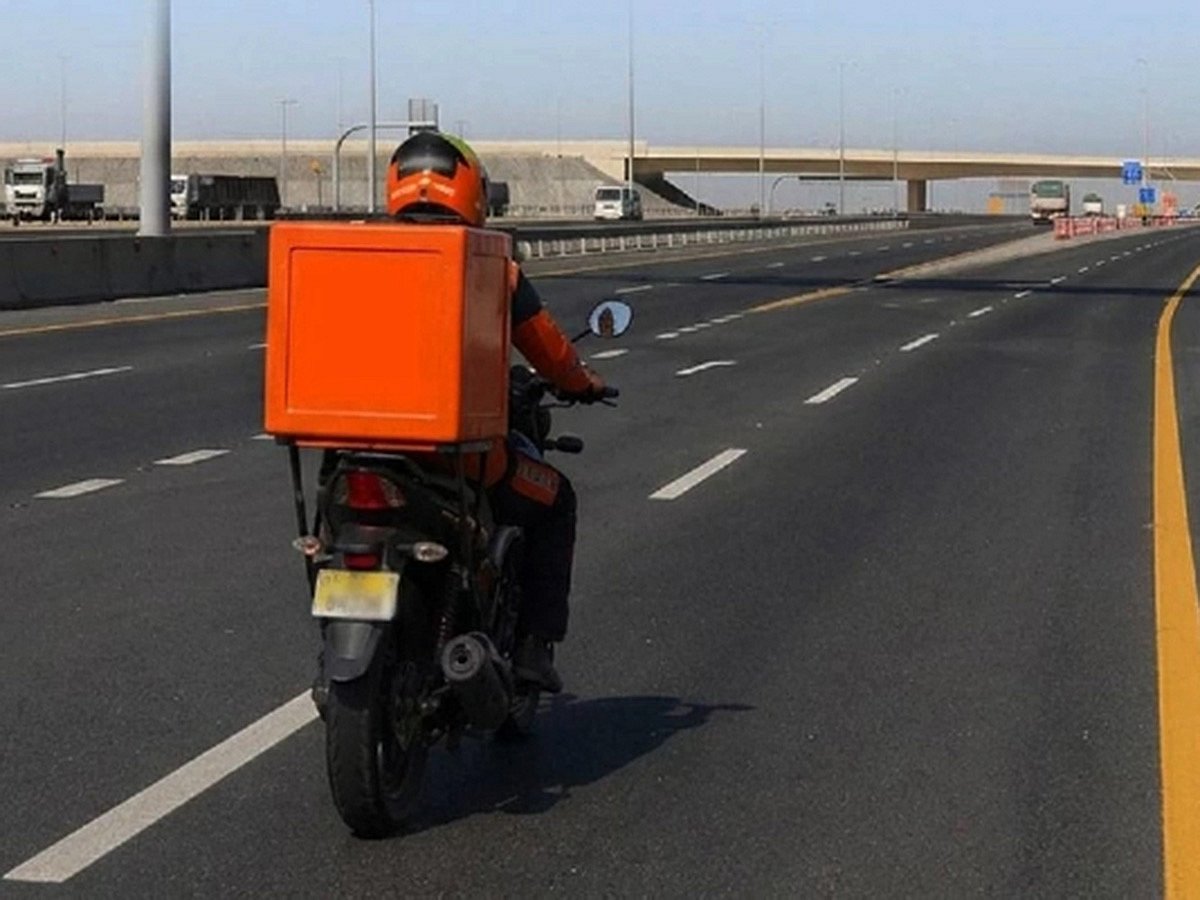
Abu Dhabi: Authorities in Abu Dhabi have introduced new restrictions on delivery motorcycles, banning them from using highways with speed limits of 120km/h or above following a rise in serious accidents involving riders.
Abu Dhabi Mobility, through the Integrated Transport Centre (ITC), said the move is aimed at improving road safety and protecting delivery riders, who have emerged as one of the most vulnerable groups on the emirate's roads.
Get updated faster and for FREE: Download the Gulf News app now - simply click here.
Ban covers major highways
The restrictions, which came into effect on May 15, 2026, apply to all roads with speed limits of 120km/h and above. They also include Sheikh Zayed bin Sultan Street in Abu Dhabi city, specifically the stretch between Sheikh Zayed Bridge and Sheikh Zayed Tunnel.
According to the ITC, the decision was based on traffic data and field studies that showed a worrying increase in serious injuries and deaths among delivery riders in recent years, even as overall road fatalities in Abu Dhabi declined.
Road deaths across the emirate fell by six per cent in 2025 compared with 2023. However, delivery riders remained disproportionately affected by fatal crashes. Between 2023 and 2025, authorities recorded 72 serious accidents involving delivery motorcycles.
Higher risks on fast roads
Studies carried out by the ITC found that highways with speed limits of 120km/h and above accounted for 22 per cent of all delivery rider deaths, despite representing less than five per cent of the total distance travelled daily by riders.
Dr Abdullah Hamad Al Ghafli, Acting Director General of the Integrated Transport Centre, said the decision reflects the authority's commitment to protecting lives.
"The safety of all road users will always remain our top priority," he said.
He added that the delivery sector plays an important role in daily life and the economy, and authorities are working with companies to ensure services continue efficiently while improving rider safety.
Alternative measures planned
The ITC said it is coordinating with delivery companies and other stakeholders to introduce new operating measures. These include redistributing rider stations, reducing trip distances and expanding the use of environmentally friendly transport options within residential communities.
Traffic simulations showed that using alternative routes would have only a limited impact on delivery times, with average journey times expected to increase by between four and seven minutes.
New safety measures
Delivery riders using roads with a speed limit of 100km/h will be required to stay in the right-hand lanes.
The authority has also established dedicated rest areas for riders to help them recover during breaks and reduce the risk of heat stress.
Officials said the measures are part of broader efforts, including the "Delivery Riders Safety" programme, to improve safety and reduce accidents while ensuring delivery services continue to meet growing demand.

Sign up for the Daily Briefing
Get the latest news and updates straight to your inbox
Network Links
GN StoreDownload our app
© Al Nisr Publishing LLC 2026. All rights reserved.