Sharjah approves new AI services, specialised court and judicial attire
Sharjah approves AI rules for courts and new environment court
New AI assistant, environmental court, new judicial attire and digital services unveiled
Last updated:
4 MIN READ
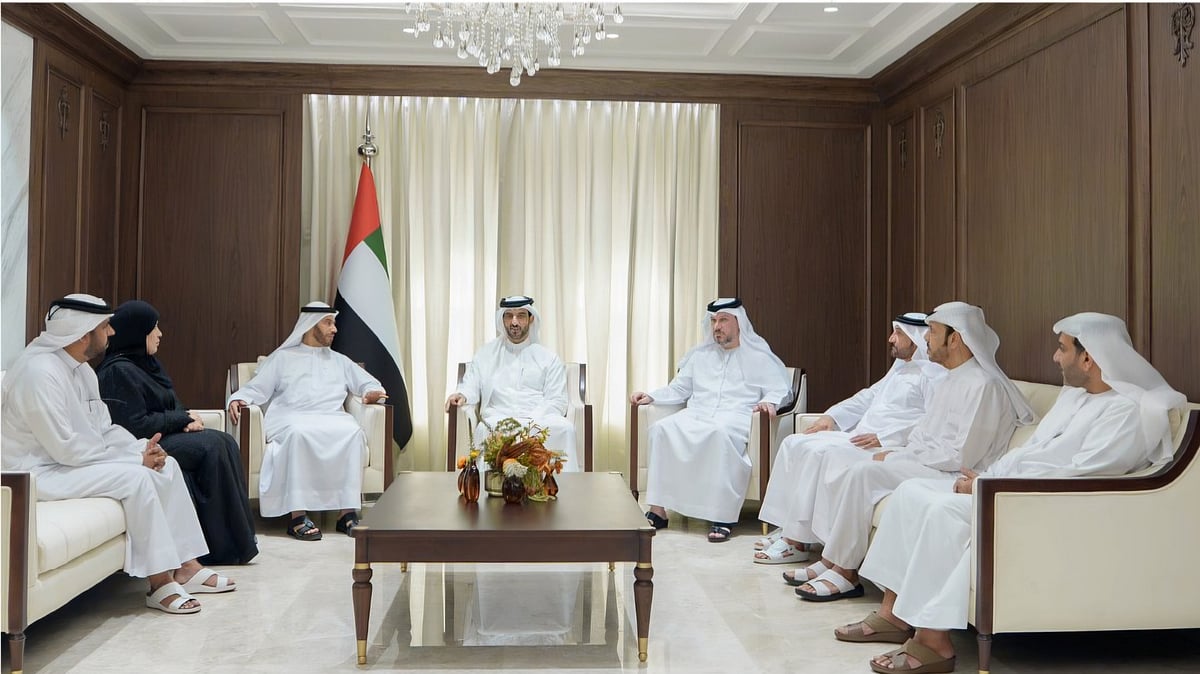
Sharjah approves new AI services, specialised court and judicial attire
Sharjah Judicial Department
Sharjah Judicial Department
Sharjah: Sharjah has approved a new framework governing the use of artificial intelligence across its judicial system and agreed to establish a specialised public prosecution and court for municipal and environmental affairs.
The decisions were taken at a meeting of the Sharjah Judicial Council on Thursday, chaired by Sheikh Dr Sultan bin Ahmed bin Sultan Al Qasimi, Deputy Ruler of Sharjah and Chairman of the Judicial Council, at the Sharjah Judicial Department.
The Council also approved new attire for members of the judiciary, aimed at strengthening the judicial authority’s institutional identity and presenting a unified professional appearance.
Get updated faster and for FREE: Download the Gulf News app now - simply click here.
AI use to be governed by new framework
The newly approved governance guide for the management and use of artificial intelligence technologies in the judicial system sets out a unified framework for the controlled and secure deployment of AI in judicial and administrative work.
The guide covers AI use cases, risk management, data protection, cybersecurity and human oversight, providing safeguards for the use of emerging technologies in the justice system.
It also establishes controls for the lifecycle of AI systems, including procedures for monitoring and auditing their performance and use.
The framework sets standards for deploying AI in judicial settings while protecting rights and legal safeguards. It is also intended to support the quality, efficiency and reliability of judicial and administrative services as the system adopts more advanced technologies.
Sharjah approves new AI services, specialised court and judicial attire
Sharjah approves new AI services, specialised court and judicial attire
Specialised court for municipal, environmental cases
The council also approved the creation of a specialised public prosecution and court for municipal and environmental affairs.
The new judicial structure is intended to improve the handling of cases in these areas, speed up procedures and enhance the quality of judicial work through greater specialisation.
The move is part of efforts to further develop Sharjah’s judicial system and strengthen its ability to respond to future changes, with a focus on specialisation, efficiency and technological development.
New attire for judiciary
The Council approved new attire for members of the judiciary, reflecting the institutional identity and professional character of the judicial authority.
The new design is intended to create a unified appearance for judicial members and reflect the nature and responsibilities of their roles, while reinforcing the standing of the judiciary in society.
Focus on improving judicial services
The meeting also covered developments in judicial and administrative work and ways to improve procedures and services provided to customers.
The Council discussed measures aimed at increasing efficiency, enhancing service quality and supporting the continued development of Sharjah’s judicial system.
At the start of the new judicial year, Sheikh Dr Sultan congratulated members of the Judicial Council, the judiciary and administrative teams, wishing them success in carrying out their responsibilities and serving justice and the rule of law.
He praised the progress made by Sharjah’s judicial system during the previous period and commended judges and judicial staff for their dedication and sense of responsibility.
He stressed the need to continue improving performance, raising the quality of judicial services and strengthening the efficiency of the judicial system in line with Sharjah’s development goals.
New launch
AI-powered virtual assistant: Launched on a pilot basis for marriage, notary and attestation services, the assistant is designed to simplify customer transactions and provide a more interactive experience. The pilot will be evaluated and improved using user feedback before expanding to other services.
Other services and projects
Athar initiative: Makes Public Prosecution electronic services more accessible to People of Determination, helping them complete applications independently, conveniently and privately.
21 Court of Cassation courtrooms: New facilities support in-person and remote hearings, videoconferencing and secure access to case files and documents. The model will be extended to all 21 courtrooms.
Majlisna: A virtual AI trainer for judicial employees covering AI fundamentals, prompt writing and responsible technology use, with plans for interactive training, task simulations and impact assessment.
Customer service facilities: Dedicated areas assist customers with applications and electronic transactions, alongside lounges and cafés.
Al Dar Lounge: A multi-purpose employee space designed to encourage communication, teamwork and institutional belonging.
New Judicial Council offices: Equipped with modern workspaces and technology to support employee performance, productivity and institutional efficiency.
Network Links
GN StoreAbout Gulf NewsTerms & ConditionsReach by GNSitemapContact usPrivacy PolicyGN FocusHave your sayWork with usAdvertise with usGulf News epaperPrinting Services
Download our app
© Al Nisr Publishing LLC 2026. All rights reserved.